
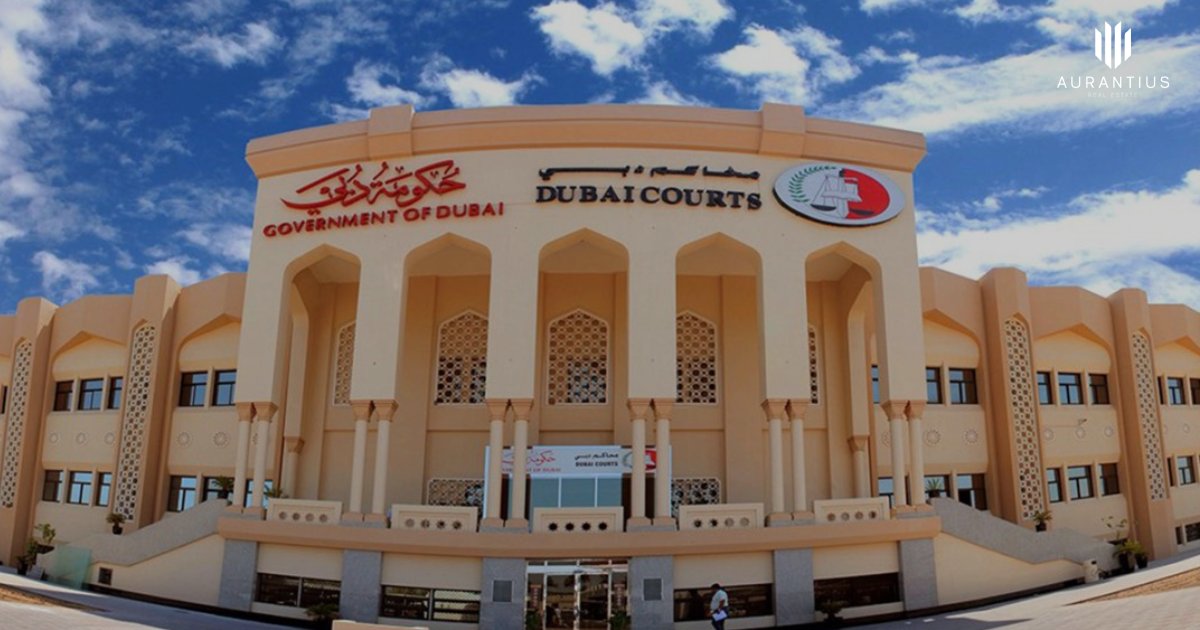

Dubai Real Estate Court annuls Riviera-area unit sale after delivery delay and orders refund plus compensation
Dubai’s real estate market is known for speed, structure, and strong regulatory oversight. But even in a mature market, disputes can arise, particularly in off-plan transactions where timelines and delivery obligations sit at the centre of the buyer-developer relationship. A recent decision by the Dubai Real Estate Court highlights how seriously the courts treat contractual performance, and what can happen when a developer fails to deliver on agreed milestones.
In this case, the court annulled the sale contract of a residential unit in a project located in the Riviera area. The contract had been signed between an investor and a real estate company, but the court found that the company breached its obligations by delaying the completion of the project and failing to deliver the contracted unit within the agreed timeframe.
What the court decided
According to the ruling, the Real Estate Court ordered the developer to refund AED 516,872 to the investor. In addition to the refund, the court awarded AED 100,000 as compensation for material and moral damages. The judgment also required the company to pay legal costs, expenses, and lawyer fees.
From a market perspective, this is an important point. The court did not only address the repayment of funds already paid, but also recognised broader harm to the investor. This included the loss of opportunity to invest capital elsewhere and the inability to benefit from the unit that was supposed to be delivered under the contract.
Background of the dispute
Based on the case file, the investor entered into an agreement to purchase a residential unit in a real estate project that was still under development. The total purchase value was AED 1,722,000. Payment terms were structured in two instalments, a common format in Dubai when buyers commit early and pay according to the project’s financial schedule.
The investor fulfilled his obligations under the contract. He paid the first instalment of AED 516,872 and also covered registration fees and administrative steps connected to the unit. These additional costs matter because they show the investor did not simply reserve a unit informally. The transaction moved into a formal commitment phase where the buyer acted in good faith, completed required procedures, and paid what was due.
After payment was received, the dispute centred on the developer’s performance. The lawsuit documents indicated that the real estate company collected the agreed amounts but did not adhere to the timeline for completing the project. Official data and progress reports showed that construction had not reached a stage that would allow delivery of the unit on the specified date. In practical terms, this meant the investor remained committed financially while the developer’s output did not match the contracted delivery expectations.
As delays extended, the situation moved beyond inconvenience and into contractual failure. The investor ultimately sought judicial relief, asking the court to annul the sale contract and restore the parties to their pre-contract position, meaning the money paid should be returned and the buyer released from the obligation to continue with a project that did not meet the agreed delivery timeline.
The developer’s defence and why it did not succeed
During proceedings, the defendant company argued that the contract allowed the completion period to be extended and that the construction percentage was approaching completion. This defence is common in off-plan disputes, as many contracts include clauses that provide for extensions, grace periods, or flexibility in timelines due to external factors.
However, the court concluded that the delay exceeded the period agreed upon contractually. In other words, even if the contract included some flexibility, the developer’s delay crossed the boundary of what the agreement permitted. The court also found that the breach of performance was proven through documents and reports, suggesting the decision was based on objective evidence rather than subjective interpretation.
Once the breach was established, the legal outcome followed a standard remedy in contract law: annulment and restoration. The court determined that the breach justified cancelling the contract and returning both parties to the status they were in before the contract was signed. That meant refunding the paid amount, and then separately compensating the buyer for harm resulting from the breach.
Why this matters for off-plan buyers and the wider market
This ruling reinforces a key principle in Dubai real estate transactions: delivery obligations are not optional, and contractual timelines matter. Off-plan transactions depend on trust and predictability. Buyers agree to pay instalments early because they believe the project will progress as promised. When delivery delays exceed contractual limits, the investor’s risk profile changes, and the courts can intervene to enforce accountability.
The decision also highlights an important practical point for investors: evidence matters. The court relied on official progress data and documented reports to confirm that the project had not advanced to a deliverable stage. Buyers who keep proper records, maintain a clear paper trail, and rely on verifiable project updates are in a stronger position if disputes arise.
Finally, compensation in addition to refund signals that the court acknowledged financial impact beyond the paid instalment itself. Even if a buyer receives his payment back, the time value of money, lost investment opportunity, and stress and disruption caused by uncertainty can be considered as damages depending on the case facts.
Conclusion
Dubai’s Real Estate Court decision to annul a Riviera-area unit sale contract and order both a refund and compensation is a reminder that the market operates within a serious regulatory and legal framework. For investors, it reinforces the importance of contract terms, delivery timelines, and keeping structured documentation. For developers, it is a clear signal that failing to meet contractual obligations can lead not only to repayment, but also additional financial liability.
If you are evaluating an off-plan purchase or want to compare the risk profile of off-plan versus ready property across Dubai communities, Aurantius Real Estate can support you with project shortlisting, developer track record comparisons, and practical buyer guidance. Visit Aurantius Real Estate to request tailored options and advisory support.