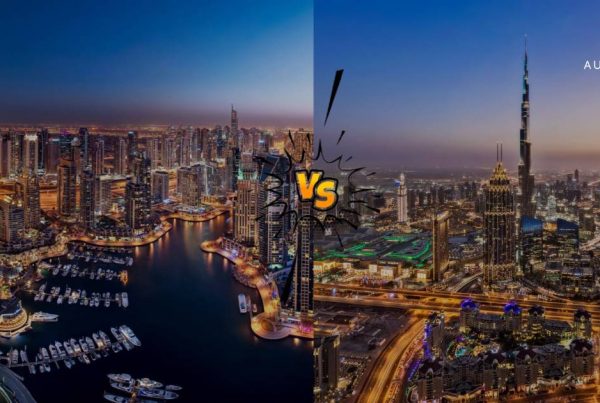


UAE Advances Digital Twin Integration to Shape the Next Generation of Smart Cities
Digital Twins as a Core Pillar of Urban Development
The United Arab Emirates has positioned itself at the forefront of digital twin integration in urban development, applying advanced technologies to improve planning, resilience, and sustainability across major cities. Digital twins, defined as virtual counterparts of physical assets and systems, combine live data with simulation models to create accurate, continuously updated representations of real-world environments. In the UAE, these tools are increasingly embedded within city-scale decision-making frameworks in Dubai and Abu Dhabi.
By integrating artificial intelligence, Internet of Things sensors, analytics, and blockchain-enabled data governance, digital twins are being used to optimise infrastructure performance, manage resources efficiently, and anticipate future needs. This approach supports long-term urban strategies focused on operational efficiency, environmental responsibility, and service quality.
How Digital Twin Technology Functions at City Scale
Digital twins operate as dynamic models rather than static visualisations. Data collected from IoT sensors across buildings, roads, utilities, and public assets feeds into analytics platforms that simulate performance and predict outcomes. These systems enable planners and operators to test scenarios, identify risks, and intervene proactively before issues escalate.
In practice, digital twins provide real-time insight into infrastructure health, usage patterns, and environmental conditions. Predictive maintenance, scenario planning, and data-driven optimisation reduce operational costs while improving reliability and safety across complex urban systems.
Application in Major Infrastructure and Landmark Projects
Dubai has applied digital twin methodologies to complex construction and infrastructure projects to improve accuracy and reduce risk. Advanced 4D modelling has been used to simulate construction sequences, structural behaviour, and logistical constraints prior to physical execution. This approach has shortened delivery timelines and reduced costs by identifying potential issues during the planning phase rather than on site.
Abu Dhabi has adopted a similar approach through digital twin initiatives covering transportation networks. These systems enable detailed spatial analysis and provide emergency responders with access to comprehensive building and infrastructure data, improving response coordination and operational preparedness.
Building Management and Operational Efficiency
Within the built environment, digital twins are increasingly used to manage buildings throughout their lifecycle. Real-time monitoring of energy consumption, structural integrity, indoor air quality, and occupancy enables operators to identify inefficiencies and optimise performance. Predictive maintenance models reduce downtime by forecasting equipment failures before they occur.
High-profile developments in the UAE use sensor-driven central management systems to regulate lighting, temperature, and ventilation dynamically. This data-centric approach supports sustainability objectives while maintaining comfort and operational reliability.
Transforming Transport and Mobility Systems
Digital twins are also reshaping transport planning and operations. By integrating live traffic data, sensor inputs, and predictive analytics, authorities can monitor network performance and simulate route and capacity scenarios. This capability supports more efficient logistics, reduced congestion, and improved commuter experience.
Dubai’s public transport systems have begun integrating digital twin frameworks to enable predictive maintenance of assets such as escalators and mechanical systems. This reduces service interruptions and extends asset lifespans while lowering maintenance costs.
Utilities Management and Resource Optimisation
Utilities represent another major application area. Digital twins monitor water, electricity, and waste networks by tracking flow rates, consumption, and system health in real time. Predictive models help identify leaks, faults, and inefficiencies, allowing targeted interventions that conserve resources and reduce capital expenditure.
In Abu Dhabi, digital twin simulations have been used to analyse water network performance and degradation, improving quality outcomes while reducing trial-and-error approaches. Such applications demonstrate the potential for data-driven management to enhance long-term infrastructure resilience.
Energy, Environment, and Sustainability Outcomes
Energy efficiency is a central objective of the UAE’s digital twin strategy. By tracking consumption patterns and forecasting demand, digital twins support early fault detection and informed energy management. Dedicated research centres in Abu Dhabi use digital twins to design and test advanced energy systems for utilities and industry.
Environmental applications extend to waste management and water conservation. Sensor-based monitoring systems track waste flows and septic infrastructure in real time, reducing environmental risks and improving recycling efficiency. National platforms integrating big data and digital twins provide interactive 3D views of energy and water usage, supporting policy decisions aligned with sustainability goals.
Public Services, Healthcare, and Smart Living
Beyond infrastructure, digital twins are influencing public services and healthcare delivery. Real-time data integration supports remote monitoring and predictive care for elderly and high-risk patients, enhancing outcomes while reducing strain on healthcare systems.
In residential contexts, digital twin-enabled smart homes automate energy management, security, and maintenance functions. Real-time sensor data and mobile interfaces improve efficiency and convenience while reducing operating costs. Citizen engagement platforms also benefit by offering visual access to geospatial and operational data, improving transparency and collaboration between residents and authorities.
Future Outlook for UAE Smart Cities
The UAE’s continued investment in digital twin platforms reflects a long-term commitment to data-driven urban governance. As cities grow in scale and complexity, these tools provide a foundation for resilient planning, efficient service delivery, and sustainable growth. Integration across sectors enables coordinated decision-making rather than isolated optimisation.
Digital twins are expected to play an expanding role in future smart city initiatives, supporting adaptive infrastructure, climate resilience, and improved quality of life. The UAE’s early adoption positions it as a regional reference point for technology-enabled urban development.
Conclusion: Data-Driven Cities as a Strategic Advantage
The integration of digital twins into urban development marks a structural shift in how cities are planned, built, and managed in the UAE. By combining real-time data, predictive analytics, and simulation, authorities are moving from reactive management toward anticipatory governance.
Aurantius Real Estate monitors the intersection of technology, urban planning, and property markets across the UAE. Through research-led insights and market analysis, Aurantius Real Estate supports investors and stakeholders in understanding how smart city initiatives and digital infrastructure shape long-term real estate value and urban resilience.