
Top 10 Dubai Property Developers and Their Iconic Projects: 2026 Guide
Choosing a Dubai property is not only a question of location, price or projected rental yield. In the off-plan market, the developer behind the project can be just as important as the property itself.
Developer track record affects construction quality, delivery confidence, master-community execution, resale perception, service standards and the strength of the property once thousands of competing units reach the market.
That matters even more in 2026 as Dubai moves into a more selective phase. Buyers have a growing choice between established ready communities, branded residences, large master developments and projects scheduled for delivery between 2027 and 2030.
The developers below are not presented as a strict sales-value league table. They have been selected for their scale, project visibility, master-community influence, architectural positioning or active development pipeline.
Buyers looking specifically for new launches can also browse the current Dubai Off-Plan Properties and Projects available through Aurantius.
What Should You Compare Between Dubai Developers?
Delivery record: Has the developer completed comparable projects?
Build quality: How have previous buildings performed after handover?
Location strategy: Is the developer creating an entire destination or one standalone tower?
Payment structure: How much is required during construction and at handover?
Future supply: How many competing units will complete nearby?
Post-handover economics: What are realistic rents, service charges and resale liquidity?
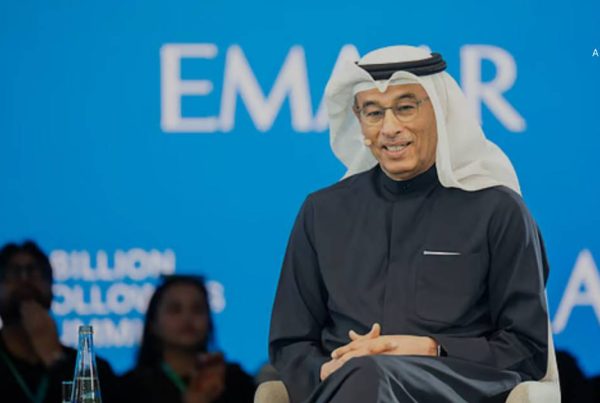
1. Emaar Properties
Emaar remains one of the most influential names in Dubai property because its portfolio extends well beyond individual residential towers.
Its established destinations include Downtown Dubai, Dubai Hills Estate and major parts of Dubai Creek Harbour, while the company’s global profile is closely associated with assets such as Burj Khalifa and The Dubai Mall.
For property investors, Emaar’s main advantage is its ability to create entire communities where housing, retail, parks, schools and infrastructure develop together.
Major established destinations: Downtown Dubai, Dubai Hills Estate, Dubai Creek Harbour
Current project examples: The Oasis and Oria at Dubai Creek Harbour
The Oasis: Large low-density luxury villa and mansion master community centred around green spaces and water features
Oria: Residential apartment development at Dubai Creek Harbour with 1-, 2- and 3-bedroom configurations
Emaar can command a premium because of brand recognition and master-community delivery. Buyers should still compare that premium against unit size, location within the community and competing resale inventory rather than assuming the developer name alone guarantees superior ROI.
2. DAMAC Properties
DAMAC has built its position around luxury towers, branded residences and large lifestyle-led master communities.
Its portfolio includes DAMAC Hills, DAMAC Lagoons and major high-rise developments along Sheikh Zayed Road and Business Bay.
The company also uses partnerships and strong lifestyle branding more aggressively than many traditional residential developers.
Iconic communities: DAMAC Hills and DAMAC Lagoons
Current tower example: Volta on Sheikh Zayed Road
Current master-community focus: DAMAC Islands / Islands 2
Property mix: Apartments, townhouses, villas and branded luxury residences
Projects such as Maui and Barbados 2 illustrate DAMAC’s continued move toward large water-themed suburban communities offering townhouses and villas rather than concentrating only on vertical towers.
3. Nakheel
Few Dubai developers have influenced the physical map of the city as dramatically as Nakheel.
Palm Jumeirah remains its most recognisable development, but the current pipeline includes two major coastal stories: Palm Jebel Ali and Dubai Islands.
This makes Nakheel particularly relevant for buyers focused on waterfront villas, island living and long-duration masterplan development.
Iconic development: Palm Jumeirah
Major growth project: Palm Jebel Ali
Dubai Islands project: Bay Grove Residences
Investment theme: Waterfront masterplans supported by long-term infrastructure delivery
Bay Grove Residences forms part of the broader Dubai Islands build-out, while marine, utility and residential infrastructure continues to move from planning into construction.
Aurantius has also examined Nakheel’s infrastructure programme in its analysis of the Bay Villas infrastructure contract on Dubai Islands.
4. Binghatti Developers
Binghatti has become one of Dubai’s most visible developers through a combination of high-volume residential development and increasingly ambitious branded projects.
Its geometric façade language is recognisable across several communities, particularly Jumeirah Village Circle and Business Bay.
The developer’s move into branded residences has pushed its profile further into the ultra-luxury segment.
Branded project: Mercedes-Benz Places
Other high-profile collaboration: Bugatti Residences
High-volume project: Binghatti Hills
Core positioning: Design-led apartments combined with automotive and luxury-brand partnerships
For investors, the key question is whether the branding premium will be matched by long-term tenant and resale demand once the development is completed.
5. Sobha Realty
Sobha Realty is strongly associated with construction quality and a vertically integrated development approach.
Sobha Hartland helped establish the developer’s presence in Mohammed Bin Rashid City, combining apartments and villas within a landscaped master community.
Its current pipeline continues to target buyers looking for new-build residential property with a greater emphasis on finish quality and community environment.
Established master community: Sobha Hartland
Current development focus: Large master communities and premium vertical developments
Buyer profile: End-users and investors placing greater weight on build specification and delivery quality
Quality does not eliminate investment risk. Buyers should still compare the price premium against neighbouring projects, future unit supply and expected rental economics.
6. Meraas
Meraas is known for creating lifestyle-oriented developments where residential property is closely integrated with retail, hospitality and public spaces.
Bluewaters Island and City Walk demonstrate that strategy clearly.
Rather than competing mainly on unit count, Meraas projects often rely on placemaking and central urban positioning.
Iconic destination: Bluewaters Island
Urban lifestyle development: City Walk
Core positioning: Premium residential property integrated with hospitality, retail and destination infrastructure
For buyers considering lifestyle-led communities, the premium should be assessed against scarcity, location and actual end-user demand rather than architectural presentation alone.
7. Dubai Properties
Dubai Properties has played a major role in several established residential districts including Jumeirah Beach Residence, Business Bay and suburban family communities such as Mudon and Villanova.
Its portfolio is therefore more diversified than a developer focused entirely on luxury towers.
Established communities: JBR, Business Bay, Mudon and Villanova
Current project example: La Tilia at Villanova
Unit mix: 3- and 4-bedroom family townhouses
Positioning: Community-led family housing and established urban districts
La Tilia reflects continued demand for lower-density family housing away from the densest central districts.
8. Ellington Properties
Ellington has built its reputation around design-led residential development rather than mass-market scale.
Projects such as the Belgravia series helped establish the brand in JVC, while developments including Ellington Beach House and Mercer House have moved the portfolio further into premium locations.
Recognised series: Belgravia
Premium waterfront project: Ellington Beach House
Current positioning: Boutique, design-focused apartments with emphasis on interiors and resident experience
For investors, boutique positioning can help differentiate a property from generic supply, but smaller project scale does not remove the need to compare service costs, handover competition and resale demand.
9. Select Group
Select Group is particularly associated with premium waterfront locations and multi-phase developments.
Marina Gate became one of its most recognisable Dubai Marina projects, while Peninsula created a substantial residential footprint in Business Bay.
The group’s luxury strategy is now extending into branded wellness-oriented residential property.
Iconic project: Marina Gate
Major master development: Peninsula, Business Bay
Current luxury project: Six Senses Residences Dubai Marina
Six Senses Residences Dubai Marina targets the upper end of the market, combining branded residential positioning with a strong wellness and lifestyle component.
10. Danube Properties
Danube has established a distinct position in Dubai’s off-plan market through furnished apartments, extensive amenity packages and highly visible instalment-based payment structures.
This has made the developer particularly popular with buyers who prioritise manageable monthly capital deployment rather than large construction-stage payments.
Major project: Bayz 101, Business Bay
Other project: Diamondz
Market positioning: Furnished apartments, amenity-heavy projects and flexible instalment structures
Flexible payment structures can be useful, but buyers should compare the total contracted price rather than evaluating a project solely on the size of each monthly payment.
Top Dubai Developers: 2026 Comparison
| Developer | Known For | Project Examples | Typical Buyer Profile |
|---|---|---|---|
| Emaar | Large master communities | The Oasis, Dubai Creek Harbour | End-users, investors, luxury buyers |
| DAMAC | Luxury, branded and lifestyle projects | Volta, DAMAC Islands | Luxury and international investors |
| Nakheel | Waterfront masterplans | Palm Jebel Ali, Dubai Islands | Waterfront and long-horizon buyers |
| Binghatti | Branded towers and high-volume apartments | Mercedes-Benz Places, Binghatti Hills | Investors and branded-luxury buyers |
| Sobha Realty | Build quality and integrated delivery | Sobha Hartland and newer communities | Quality-focused end-users and investors |
| Meraas | Lifestyle destinations | Bluewaters, City Walk | Premium urban lifestyle buyers |
| Dubai Properties | Established family communities | JBR, Villanova, La Tilia | Families and long-term end-users |
| Ellington | Boutique design-led residences | Belgravia, Ellington Beach House | Design-conscious investors |
| Select Group | Premium waterfront projects | Marina Gate, Six Senses Residences | Premium waterfront buyers |
| Danube | Flexible payment plans and furnished units | Bayz 101, Diamondz | Payment-plan and rental investors |
Developer Brand vs Property Fundamentals: Which Matters More?
A strong developer can lower some forms of risk, but buying purely on brand can create a different problem: overpaying.
Two properties in similar locations can have substantially different prices because one carries a stronger developer or branded-residence premium.
The premium can be justified where it creates better construction quality, superior amenities, stronger resale liquidity or higher tenant demand. It becomes harder to justify when the price difference is driven mainly by marketing.
Aurantius explores this issue in Dubai Real Estate 2026: Brand Premium vs Infrastructure Premium.
Do Not Judge a Developer Only by the Payment Plan
Off-plan developers increasingly compete through staged instalments, reduced booking percentages and extended payment schedules.
That can improve cash-flow flexibility, but buyers should remember that a payment plan determines when capital is paid — not whether the underlying property is a good investment.
A 1% monthly plan can still be expensive if the total contracted price is significantly higher than a comparable unit purchased on a shorter schedule.
The final handover instalment also deserves particular attention because financing conditions several years from now cannot be guaranteed.
For projects completing between 2027 and 2030, see Aurantius’ Dubai Off-Plan 2027–2030 Handover Risk Guide.
Ready Property or Developer Off-Plan?
A buyer who prioritises immediate use, physical inspection and current rental evidence may prefer completed property.
An off-plan buyer may instead prioritise new construction, phased payments and exposure to a community before it reaches full maturity.
Neither strategy is automatically superior.
Aurantius’ Secondary vs Off-Plan in H2 2026 explains why more buyers are currently comparing established ready communities against new developer inventory.
Developer Due-Diligence Checklist Before Buying Off-Plan
1. Verify the exact developer and project registration.
2. Confirm instalments are being paid into the registered project escrow account.
3. Review the developer’s previous completed projects.
4. Compare delivered build quality rather than relying only on renders.
5. Read the complete SPA and payment schedule.
6. Calculate the amount due at handover.
7. Examine future supply around the scheduled completion period.
8. Estimate realistic post-handover service charges.
9. Review assignment or resale restrictions if planning to exit before handover.
10. Check what happens if completion is delayed.
11. Compare the developer’s price against ready properties and other launches in the same location.
If delivery risk is a major concern, Aurantius’ Dubai Off-Plan Handover Delays 2026 guide explains what buyers should check before and after a project’s expected completion date.
Looking for Current Dubai Off-Plan Projects?
Compare new launches, developers, locations and current project opportunities before selecting a property.
FAQ: Top Dubai Property Developers 2026
Question: Who are the top property developers in Dubai?
Answer: Major developers active across Dubai include Emaar, DAMAC, Nakheel, Binghatti, Sobha Realty, Meraas, Dubai Properties, Ellington, Select Group and Danube. The best developer for a particular buyer depends on location, budget, project type and investment strategy.
Question: Which Dubai developer is best for master-planned communities?
Answer: Emaar, Nakheel, DAMAC, Sobha and Dubai Properties all have significant master-community experience, although their locations, property types and positioning differ considerably.
Question: Which developers specialise in branded residences?
Answer: Binghatti is particularly visible in branded projects such as Mercedes-Benz Places and Bugatti Residences, while Select Group, DAMAC and other premium developers also operate in hospitality and branded-residential segments.
Question: Is Emaar always the safest developer to buy from?
Answer: Emaar has a substantial delivery and master-community track record, but no developer name should replace property-level due diligence. Buyers still need to evaluate price, unit position, payment terms, supply and expected returns.
Question: Which Dubai developers are strongest for waterfront property?
Answer: Nakheel, Emaar, Select Group, Meraas and Ellington all have significant exposure to waterfront or island developments, but the individual property’s actual waterfront position should always be verified.
Question: Does buying from a famous developer guarantee capital appreciation?
Answer: No. Developer reputation can support buyer confidence and resale demand, but future property values also depend on purchase price, location, supply, infrastructure, market conditions and the quality of the specific unit.
Question: Where can I compare current Dubai off-plan projects?
Answer: Buyers can compare current launches and developer opportunities through the Aurantius Dubai Off-Plan Projects section.
Question: What should I verify before booking an off-plan project?
Answer: Verify project registration, escrow details, developer track record, SPA terms, payment schedule, handover date, service-charge expectations, future competing supply and resale restrictions before committing funds.
Conclusion: Choose the Property First — Then Decide Whether the Developer Premium Is Worth Paying
Dubai’s leading developers offer very different investment propositions.
Emaar and Nakheel are strongly associated with large masterplans and destination creation. DAMAC and Binghatti use lifestyle and branding aggressively. Sobha emphasises construction quality. Meraas focuses on placemaking. Ellington targets design-led boutique residential property, while Select Group has built a strong waterfront portfolio. Dubai Properties remains deeply connected to established family communities, and Danube has developed a clear niche around flexible payment structures.
None of those positioning strategies automatically makes one developer universally better than another.
The stronger investment is normally the combination of the right developer, the right project, the right unit and the right entry price.
A strong developer can reduce uncertainty around execution, but a buyer can still overpay for a good project. Conversely, an attractive payment plan cannot compensate for weak location fundamentals, excessive future supply or an unrealistic handover strategy.
2026 buyer rule: Do not buy a Dubai property because the developer is famous. Use the developer’s reputation as one part of due diligence, then compare the exact unit on price per square foot, location, payment plan, handover timing, future supply, service costs and realistic end-user demand. That is what ultimately determines whether a well-known project becomes a good investment.