
The Burj Khalifa Effect: How Dubai Creek Tower Is Set to Transform Dubai Creek Harbour
Iconic landmarks have a proven ability to reshape entire real estate districts, redefine global perception, and accelerate long-term value creation. Dubai has already demonstrated this effect once with the Burj Khalifa. Now, a new chapter is forming with Dubai Creek Tower, a landmark poised to redefine Dubai Creek Harbour and elevate it into one of the city’s most influential waterfront destinations.
As plans for Dubai Creek Tower move forward, investors and end-users alike are closely watching how this development could replicate — and potentially evolve — the transformation once seen in Downtown Dubai.
About Dubai Creek Tower
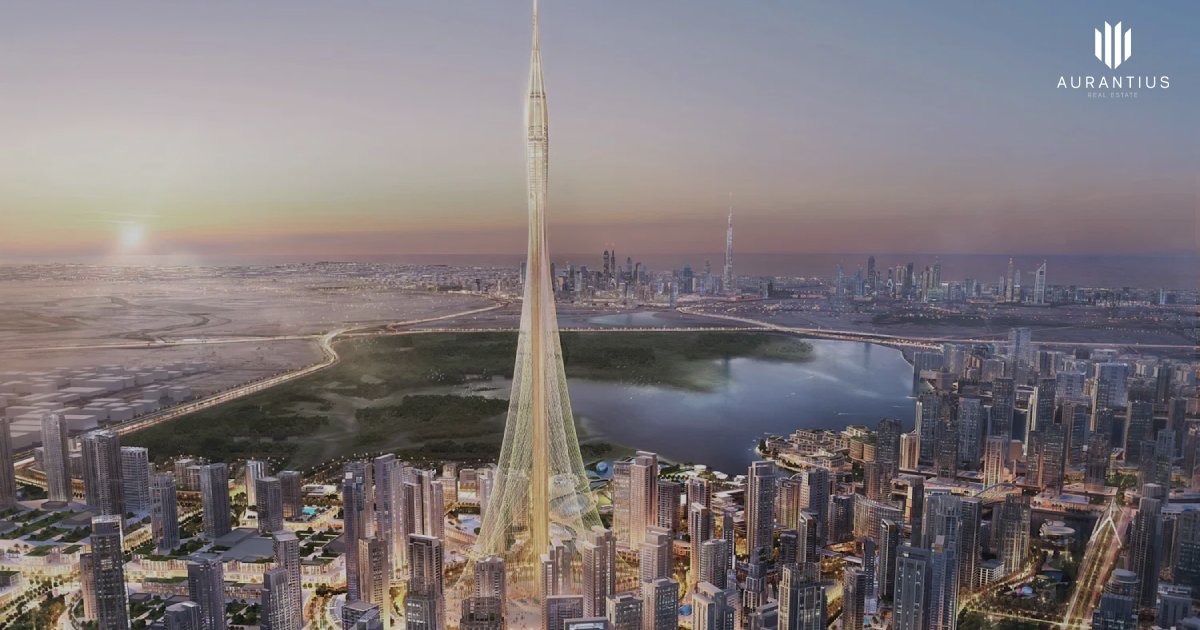
Dubai Creek Tower was originally unveiled before the COVID-19 pandemic as a record-breaking structure intended to surpass the Burj Khalifa in height. Since then, the project has undergone a comprehensive redesign to align with a broader, more experience-driven vision.
Emaar has confirmed that Dubai Creek Tower is progressing, with tenders expected to be issued in the coming months. The revised concept moves away from a singular focus on height and instead prioritises architectural identity, visual impact, and integration with the surrounding waterfront environment.
Rather than being just a standalone skyscraper, Dubai Creek Tower is now positioned as the centrepiece of a destination — a landmark designed to shape the identity, demand, and long-term performance of Dubai Creek Harbour as a whole.
The Burj Khalifa Blueprint: A Proven Model
To understand the potential impact of Dubai Creek Tower, Downtown Dubai provides a clear reference point.
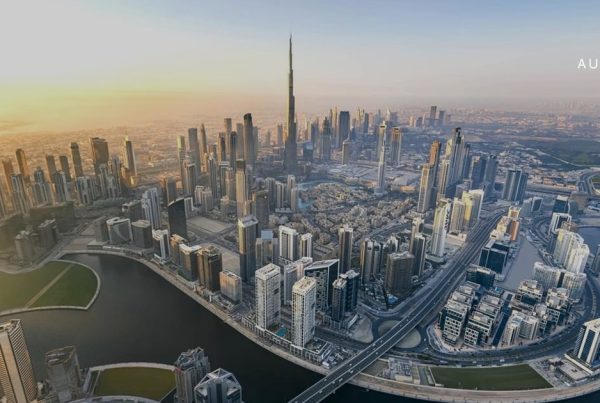
Before the completion of the Burj Khalifa, Downtown Dubai was already a well-planned mixed-use district. However, it was the tower’s global recognition that transformed the area into an international destination. Tourism surged, commercial activity intensified, and lifestyle-driven demand followed.
As visibility increased, so did property values, rental demand, and resale liquidity. Over time, the Burj Khalifa became more than a building — it became a value engine for the entire district.
Dubai Creek Tower is expected to play a similar role for Dubai Creek Harbour, shifting the community from an emerging waterfront address into a globally recognised lifestyle destination.
Impact of Dubai Creek Tower on Property Demand
Landmarks influence how buyers and tenants choose where to live, invest, and spend time. As Dubai Creek Tower advances, Dubai Creek Harbour is likely to experience a shift in perception — from a developing community to a fully established destination.
This evolution typically drives demand across multiple segments:
• Increased international buyer interest
• Stronger end-user appeal due to lifestyle positioning
• Greater tenant demand driven by visibility, amenities, and employment hubs
• Enhanced retail, hospitality, and leisure activity
As seen in Downtown Dubai, landmark-led districts tend to attract sustained demand rather than short-lived speculation.
Rental Performance and Income Potential
Rental markets generally strengthen as communities mature and gain destination status. Dubai Creek Harbour is expected to follow this trajectory as Dubai Creek Tower and surrounding infrastructure progress.
Current projections indicate rental yields in the range of 5.5% to 7%, with potential upside as the area becomes fully established. Waterfront supply in Dubai remains naturally limited, which supports long-term rental stability.
As the district attracts professionals, families, and lifestyle-driven residents, both long-term and short-term rental demand are expected to deepen.
Pricing Gap and Capital Appreciation Outlook
At present, Dubai Creek Harbour trades at an average of approximately AED 2,500 per sq. ft., while Downtown Dubai averages around AED 3,200 per sq. ft.
This pricing gap exists despite both being Emaar master communities offering waterfront living, high-quality infrastructure, and integrated lifestyle planning.
Premium waterfront units in Dubai Creek Harbour are projected to achieve annual appreciation of 9% to 12%, while the broader community is expected to average 7% to 9% annually. Over a three-year horizon, appreciation potential is estimated between 25% and 45% as the landmark premium associated with Dubai Creek Tower begins to materialise.
Why Buy Before Dubai Creek Tower Is Completed?
Markets tend to price in certainty once major landmarks are completed and operational. By that stage, much of the upside is already reflected in property values.
Dubai Creek Harbour remains in a phase where infrastructure development, community completion, and global positioning are still unfolding. The landmark-driven value uplift associated with Dubai Creek Tower has not yet been fully priced into the market.
Buying at this stage allows investors and end-users to position themselves ahead of demand, rather than competing once the destination is fully established and pricing adjusts accordingly.
FAQs
How does Dubai Creek Tower compare to the Burj Khalifa?
The Burj Khalifa established Downtown Dubai through record-breaking height and instant global recognition. Dubai Creek Tower, by contrast, focuses on architectural identity, setting, and long-term placemaking. Rather than competing on scale alone, it is designed to integrate seamlessly with its waterfront surroundings and elevate the entire district.
What makes Dubai Creek Harbour a prime investment location?
Dubai Creek Harbour combines waterfront living, strong master planning, proximity to central Dubai, and future landmark-driven demand. Limited waterfront supply and long-term infrastructure investment support both rental performance and capital appreciation.
Is Dubai Creek Harbour suitable for end-users or only investors?
The community appeals to both. End-users benefit from lifestyle amenities, open spaces, and connectivity, while investors are drawn to rental yields, long-term appreciation potential, and landmark-driven demand growth.
Final Thoughts
Dubai Creek Tower represents more than a new skyline feature — it signals the next phase of destination-led growth in Dubai. Much like the Burj Khalifa reshaped Downtown Dubai, this landmark is expected to redefine Dubai Creek Harbour’s global positioning, demand profile, and long-term value.
For buyers seeking to capitalise on the next major transformation cycle, Dubai Creek Harbour offers a rare opportunity to enter before the full impact of the landmark is realised.