

Dubai Real Estate 2026: New Visa Rules , Blue line and Rail Projects Hedge Regional Risk
While regional geopolitical tensions usually push investors toward caution, the Dubai property market 2026 is showing a more complex story. Instead of a simple retreat, the market is being supported by two powerful buffers: flexible residency policy and long-term transport infrastructure. The removal of the AED 750,000 minimum value threshold for sole property owners applying for the two-year investor visa, combined with major rail projects such as the Dubai Metro Gold Line and Etihad Rail passenger network, is helping Dubai reinforce its position as a resilient investment hub.
The current market is not risk-free. Regional war headlines, aviation disruption, stock market volatility, and cautious secondary market activity all matter. However, Dubai’s response is not based on short-term optimism alone. The city is using policy access, infrastructure spending, population growth, and transit-oriented development to create a stronger financial floor for long-term investors. In this environment, connectivity is becoming the new currency, and policy flexibility is becoming a key shield against volatility.
The New Resilient Hub: Why Dubai Is Holding Investor Attention
Dubai’s resilience is not accidental. The emirate has spent years positioning itself as a global safe-haven market for capital, business relocation, tourism, logistics, and property ownership. In Q1 2026, Dubai Land Department reported AED 252 billion in real estate transactions, a 31% year-on-year increase in value, with 60,303 transactions recorded during the quarter. This shows that investor demand remained active even as the wider region faced uncertainty.
At the same time, investors should not ignore the pressure points. Reuters reported that regional conflict affected sentiment earlier in 2026, with transaction-volume weakness, some discounted listings, and analysts warning about potential correction risks. The better interpretation is not that Dubai is immune, but that it has stronger cushioning mechanisms than many regional markets.
New Dubai Investor Visa Rules Lower the Entry Barrier
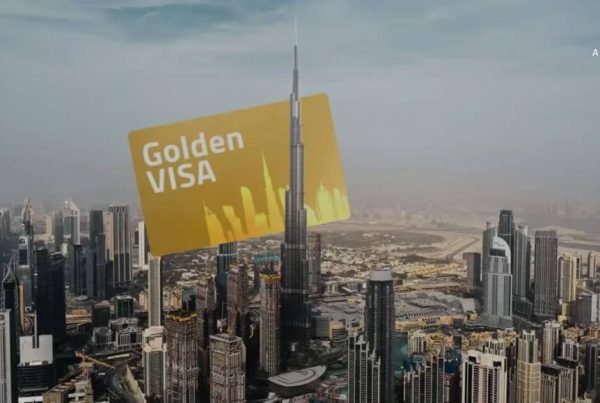
The most important policy update is the change to the two-year property investor residency visa. Dubai Land Department now states that an individual property owner may apply for the issuance of a licence and residency visa regardless of property value. For joint ownership, each co-owner must hold a share value of at least AED 400,000. This replaces the older market understanding that individual owners needed property worth at least AED 750,000 to qualify.
This is a major shift for mid-market buyers. It gives studio and one-bedroom buyers a clearer residency-linked reason to enter the market, provided the property and ownership structure meet official requirements. For investors, this could support demand in affordable and mid-market communities where entry prices are lower but rental demand remains active. For a deeper breakdown, read Dubai property visa 2026 with no minimum value for sole owners.
Why the Visa Change Matters During Regional Volatility
During uncertain periods, buyers need more than capital appreciation stories. They need practical reasons to commit. The new Dubai investor visa rules create that reason by turning property ownership into a more accessible residency anchor. A buyer who may previously have waited because of the AED 750,000 threshold can now evaluate lower-ticket completed properties with a different mindset.
This does not mean buyers should purchase any low-priced unit only for residency. The visa should support the investment case, not replace it. Investors still need to check rental demand, service charges, title deed status, financing, building quality, resale liquidity, and community maturity. The best strategy is to buy a property that works financially first, then treat residency access as an added layer of value.
Metro Gold Line Property Impact: Why Transit Is the Next Value Driver
The Dubai Metro Gold Line is one of the biggest infrastructure announcements shaping the Dubai property market 2026. Approved on April 22, 2026, the project involves an investment of around AED 34 billion, spans 42 kilometres, includes 18 stations, and is planned as Dubai’s first fully underground metro line. It is scheduled for inauguration on September 9, 2032.
The route is designed to connect 15 strategic locations, starting from Al Ghubaiba and passing through areas including Mina Rashid, City Walk, Business Bay, Mohammed Bin Rashid City, Nad Al Sheba, Meydan, Al Barsha South, Jumeirah Village Circle, and Jumeirah Golf Estates. It will connect with the Red Line, Green Line, and Etihad Rail at key points, making it a major transit-oriented development catalyst.
Which Areas Could Benefit From the Gold Line?
The Gold Line’s property impact will not be equal across every district. Areas with future station access, limited current connectivity, strong residential density, and active development pipelines may benefit more than already mature premium zones. Business Bay, Meydan, Al Barsha South, JVC, Jumeirah Golf Estates, Mina Rashid, and City Walk are likely to remain closely watched by investors because improved rail access can change tenant behavior and resale appeal.
Investors should be careful with exaggerated forecasts. Some market commentary expects meaningful price and rental uplift around future stations, but future appreciation is not guaranteed. The safer approach is to identify assets that already have rental demand today and may gain additional value when the Gold Line becomes operational. Transit should improve an investment case, not be the only reason for buying.
Etihad Rail Passenger Launch 2026: A National Connectivity Shift
Etihad Rail adds a second layer to the infrastructure story. Etihad Rail has announced that the UAE passenger rail network will connect 11 cities and regions through strategically located stations, with preparations to launch passenger services in 2026. The first announced stations include locations in Abu Dhabi, Dubai, Sharjah, and Fujairah, with Jumeirah Golf Estates named as the Dubai station.
Khaleej Times also reported that the first operational phase will connect Abu Dhabi and Dubai and extend to Fujairah, with the service expected to accommodate around 36.5 million passengers annually by 2030 once fully operational. This matters for property investors because inter-emirate rail can expand commuter logic, improve access to employment hubs, and increase the long-term value of properties near integrated transport nodes.
In Dubai’s earlier growth phase, investors often focused on skyline views, luxury branding, and launch prices. In the current market, connectivity is becoming more important. A property close to future metro access, Etihad Rail integration, business districts, schools, airports, or logistics corridors can carry stronger long-term demand than an isolated project with attractive marketing but weak daily usability.
This is especially relevant for investors seeking stable rental income. Tenants usually pay for convenience. Access to transport can reduce commute time, improve lifestyle quality, and increase tenant retention. For investors, that can support occupancy, rental resilience, and resale depth. For more on the rail-linked investment angle, read Etihad Rail effect on UAE property prices and rents in 2026.
Regional War Resilience: What the Market Is Really Showing
Dubai real estate regional war resilience should not be confused with immunity. Reuters reported pressure on property sentiment earlier in the conflict, while Khaleej Times later reported that Dubai’s market showed signs of stabilisation, with off-plan sales still dominant and the market moving into a healthier period of consolidation after years of rapid growth.
This is the key point for investors: Dubai is not avoiding volatility completely, but it is absorbing pressure through policy support, infrastructure confidence, foreign capital, rental demand, and long-term population growth. Secondary market activity may soften in periods of uncertainty, but well-capitalised investors often use these moments to negotiate better entry prices in established communities.
What Investors Are Doing Now
Current investor behavior is becoming more selective. Some buyers are focusing on off-plan projects with strong developers and infrastructure-backed locations. Others are looking for ready properties in established communities where rental income can start immediately. Cash buyers are also watching the secondary market for motivated sellers, especially where short-term uncertainty creates negotiation opportunities.
The strongest investors are not buying blindly. They are comparing off-plan versus ready property, checking service charges, reviewing developer delivery history, studying future supply, and assessing exit liquidity. For a wider ROI framework, read Dubai real estate ROI 2026.
Off-Plan Demand Remains Strong, But Risk Control Is Essential
Off-plan sales remain an important part of Dubai’s property story because they offer flexible payment plans, lower initial cash outlay, and potential capital appreciation before handover. Khaleej Times reported that off-plan sales accounted for 76% of all transactions in April, reflecting continued confidence in Dubai’s long-term growth story.
However, off-plan investment requires discipline. Buyers should check escrow registration, developer reputation, payment-plan structure, handover date, long-stop clauses, resale restrictions, and comparable completed prices. In a market affected by geopolitical headlines, investors should avoid overleveraging into speculative projects with weak fundamentals.
Ready Property Offers Stability During Uncertain Cycles
Ready property can be more attractive for investors who want immediate rental income and lower delivery risk. A completed unit allows the buyer to inspect the building, review actual service charges, study current rents, and understand tenant demand before committing. This is valuable during uncertain periods because the investor is buying an existing income-producing asset rather than a future promise.
Ready units may also support the two-year property investor visa more directly if they meet DLD ownership and documentation requirements. Investors who want both income and residency planning may therefore prefer completed apartments in high-demand communities. For wider market context, read Dubai real estate visa updates 2026.
Best Investor Strategy for the New Resilient Hub
The right investment strategy in 2026 is not simply to chase the newest launch or the cheapest unit. The stronger approach is to combine three filters: policy benefit, infrastructure benefit, and rental demand. A property that benefits from easier residency access, future transport connectivity, and current tenant demand has a stronger defensive profile than a property relying on one factor alone.
Investors should also understand the difference between gross optimism and net performance. Service charges, vacancy, furnishing, maintenance, mortgage costs, and resale timing can reduce actual returns. The most resilient assets are usually those that remain useful to real residents even when market sentiment cools. For broader market direction, read Dubai real estate 2026.
Conclusion
The Dubai property market 2026 is entering a more sophisticated phase where resilience is built through policy and infrastructure, not only investor enthusiasm. The new Dubai investor visa rules lower the entry barrier for sole owners, the Metro Gold Line creates a long-term transit premium, and Etihad Rail passenger services support national connectivity from 2026 onward. Regional risk remains real, but Dubai’s ability to respond through regulation, infrastructure, and investor access strengthens its role as the new resilient hub. For value-driven investors, the opportunity is not to chase speculation, but to secure well-located, transit-oriented, income-capable assets before the next phase of connectivity is fully priced in.
FAQs
Q: What are the new Dubai investor visa rules in 2026?
A: Dubai Land Department states that individual property owners can apply for the two-year investor residency visa regardless of property value, while joint owners need a share value of at least AED 400,000 each.
Q: What is the Metro Gold Line property impact?
A: The Gold Line may improve long-term property demand in connected areas by increasing accessibility, reducing commute pressure, and supporting transit-oriented development, but price appreciation is not guaranteed.
Q: When will the Dubai Metro Gold Line open?
A: The Dubai Metro Gold Line is scheduled to open on September 9, 2032, according to the Dubai Media Office announcement.
Q: What is the Etihad Rail passenger launch 2026 update?
A: Etihad Rail has announced preparations to launch passenger services in 2026, with the first phase expected to connect Abu Dhabi and Dubai and extend to Fujairah.
Q: Is Dubai real estate resilient during regional war?
A: Dubai real estate has shown resilience through strong Q1 2026 transaction data, off-plan demand, policy support, and infrastructure investment, but investors should still account for geopolitical risk, market corrections, and liquidity conditions.
Aurantius Real Estate helps investors identify resilient Dubai property opportunities supported by residency access, infrastructure growth, rental demand, and long-term market fundamentals.