
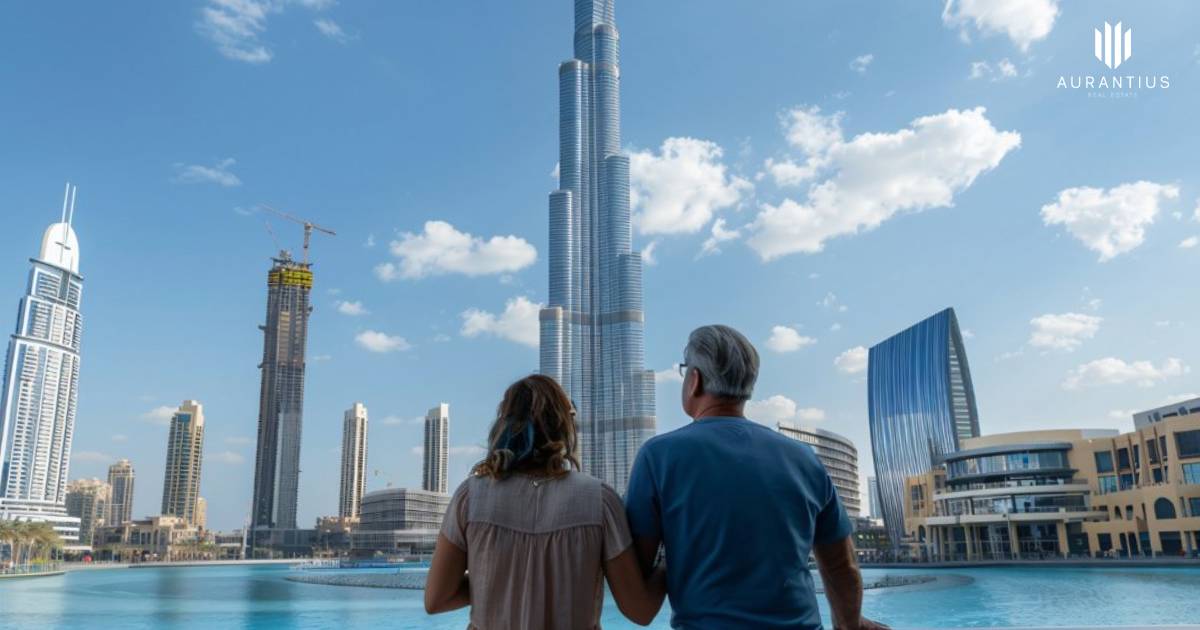

Why July 2026 Is a Strategic Month for Investors and Smart Tourists
July 2026 is not just another summer month. For strategic investors and smart travellers, it creates a rare overlap between quieter property markets, discounted travel, corporate earnings season, Dubai’s summer retail calendar and shifting global weather patterns.
While casual buyers pause their property search and many tourists avoid hot-climate destinations, serious investors can use July to inspect assets, negotiate with motivated sellers and position themselves before the busier autumn season begins. At the same time, travellers can either chase cooler destinations globally or take advantage of Dubai’s off-season hotel, retail and indoor-entertainment value.
The opportunity is not based on blind optimism. July is useful because the market is quieter, the data is clearer, and decision-makers are easier to access. Dubai’s real estate sector remains active, but buyers are now more selective. That makes July a good month for disciplined investors who know how to compare value, negotiate and avoid hype.
For a wider investment framework, investors can also review Dubai Property Investment Guide 2026, which explains how location, ROI, supply and property type should shape buying decisions.
July Gives Property Investors a Summer-Lull Advantage
Dubai’s summer months naturally reduce casual property activity. Many residents travel, some families delay decisions until school season, and short-term visitors often prefer cooler destinations. This does not stop the market, but it can reduce competition for serious buyers who are ready to act.
That lower competition can create negotiation leverage. Sellers who keep properties listed in July may be more motivated, especially if they need liquidity, relocation timing, mortgage settlement or a clean exit before the autumn market becomes active again.
This is particularly useful in the ready-property market. A buyer who can view, inspect, negotiate and complete quickly may find better pricing than someone waiting until demand becomes more crowded later in the year.
The strategy is not to buy anything simply because it is July. The strategy is to use July’s quieter conditions to compare real transaction evidence, identify motivated sellers and avoid bidding pressure.
Dubai Real Estate Is Normalising, Not Collapsing
One reason July is interesting for investors is the current market psychology. Dubai has moved beyond the easiest phase of the post-pandemic boom. Buyers are more selective, ready-market sellers face more pricing pressure, and investors are comparing off-plan launches against completed-property value more carefully.
This should not be confused with a market collapse. Dubai Land Department data shows that the market entered 2026 with strong transaction activity, but growth is becoming more asset-specific. Strong communities, scarce villas, prime locations and credible developers can behave differently from generic apartments in high-supply areas.
For investors, this creates a healthier buying environment. Instead of chasing every launch at peak emotion, buyers can compare price per square foot, rental demand, service charges, payment plans and resale liquidity with more discipline.
The best opportunities in July are likely to come from sellers or developers who are realistic. The weakest opportunities are those still priced as if the market is in a nonstop boom. A deeper look at investor behaviour is available in Investing in 2026: What Smart Dubai Investors Are Doing Differently.
Why July Can Be Good for Dubai Property Viewings
Visiting Dubai in July for property research may sound uncomfortable because of the heat, but it can be practical for serious investors. The city is built around indoor mobility, air-conditioned malls, indoor attractions, hotel facilities, private cars and controlled viewing schedules.
A July property trip can help buyers inspect communities during their most challenging season. If a building, parking area, access road, cooling system or community facility still performs well in July, that is useful information. Summer exposes weaknesses that winter viewings can hide.
Investors can also meet agents, property managers, developers, mortgage advisers and relocation consultants when the market is less crowded. This can make the research process more efficient than during peak winter months, when viewing slots and advisory teams are busier.
A July visit is especially useful if the goal is to buy before the autumn rental season, prepare the unit, furnish it, register utilities and position it for stronger tenant demand later in the year.
Motivated Sellers and OP Deals: Where Investors Should Look
During a normalising market, some speculative buyers try to exit off-plan contracts before handover. These assignments can sometimes be offered closer to original purchase price, especially when the seller wants to release capital or avoid future instalments.
This does not mean every original-price assignment is a bargain. Investors must compare the assignment price with current developer stock, ready-property prices in the same area, payment obligations, handover risk, service-charge expectations and resale restrictions.
The best July opportunities may come from investors who bought early and now want to exit for personal reasons. A disciplined buyer can review whether the price still makes sense after transfer costs, remaining instalments and market rent assumptions.
Cash buyers may have an advantage because they can move faster and negotiate with greater confidence. Mortgage buyers can still compete if their pre-approval, valuation expectations and documents are ready before making an offer.
July Helps Investors Prepare Before the Autumn Rental Season
Buying in July can allow enough time to prepare a property before the busier leasing period. Investors who complete during summer can repaint, furnish, arrange maintenance, photograph the unit, activate utilities and list it before relocation activity increases.
This timing can matter for rental income. A property purchased too late may miss a strong tenant window, especially if it requires furnishing, snagging, deep cleaning or minor renovation before listing.
The best rental strategy depends on the asset. A centrally located apartment may suit long-term professionals. A waterfront or tourist-facing unit may work as a holiday home if building rules, licensing, furnishing and management costs support the numbers.
Investors should calculate net yield rather than headline rent. Service charges, management, vacancy, furnishing, maintenance and cooling can change the real return. Strong investor demand across the UAE is discussed in Strong Investor Demand Continues to Underpin UAE Real Estate Growth Into 2026.
Q2 Earnings Season Makes July Important for Global Investors
July is also important beyond property. In global equity markets, the month marks the start of Q2 earnings season for many major companies. Investors watch earnings carefully because company results can confirm or challenge the market’s expectations for growth, margins and future guidance.
In 2026, analysts entered the second-quarter reporting period with strong expectations for earnings growth, especially in sectors connected to technology, artificial intelligence infrastructure, energy, materials and corporate capital expenditure.
This does not make July a guaranteed winning month for stocks. Markets can still fall if earnings disappoint, valuations look stretched or central-bank expectations change. The advantage is information. July gives investors new data that can help them make more informed allocation decisions for the second half of the year.
For Dubai-based investors, this creates a dual opportunity: review global portfolio exposure while also using Dubai’s summer property lull to evaluate local real estate assets.
Why Tourists Should Consider July Despite the Heat
July is hot in Dubai, and travellers should be honest about that. Outdoor sightseeing during midday is difficult, and visitors should plan activities around early mornings, evenings, shaded areas, malls, beaches at controlled times and indoor attractions.
The advantage is value. Dubai’s summer period often brings stronger hotel offers, retail promotions, family attractions and dining deals compared with peak winter travel. Dubai Summer Surprises runs through July and August, creating a citywide calendar of shopping, entertainment and indoor experiences.
For tourists who want luxury hotels, premium restaurants, indoor attractions and lower travel costs, July can be more attractive than the crowded winter season. The trip must simply be planned differently: less outdoor walking, more indoor experiences, more evening activity and better use of hotel facilities.
For business tourists and investors, July can be even more practical. Lower hotel rates and quieter schedules can make it easier to combine property viewings, advisory meetings, banking discussions and lifestyle research in one visit.
Coolcations: Why Some Travellers Are Choosing Cooler Destinations
The global travel trend known as “coolcationing” is becoming more relevant in 2026. Instead of choosing traditional hot summer destinations, some travellers are deliberately selecting cooler climates, northern regions or high-altitude areas to escape heatwaves.
Destinations such as Iceland, Norway, Switzerland and alpine regions can appeal to travellers who want nature, lower temperatures and outdoor adventure during peak summer. This trend is linked to rising climate awareness and more frequent extreme-heat events.
Dubai fits the opposite strategy. It is not a coolcation destination in July. It is an off-season value destination where travellers use indoor infrastructure, luxury hotel deals, retail events and business convenience to make the heat manageable.
The smart tourist chooses based on purpose. For outdoor hiking, choose a cooler destination. For luxury value, business meetings, property scouting and shopping, Dubai can make strong sense in July.
Why July Is Useful for People Exploring a Dubai Career
July can also be valuable for people considering a career move to Dubai. The city’s real estate sector remains active, and serious candidates can use a summer visit to meet agencies, understand market expectations and assess whether Dubai’s work environment fits their goals.
A quieter month can make career research more focused. Instead of arriving only for leisure, visitors can schedule interviews, attend training sessions, meet team leaders and understand how real estate agencies support new or experienced agents.
Dubai’s real estate career market rewards discipline, communication and market knowledge. Candidates who visit in July can use the trip to study communities, view properties, understand rental demand and build practical familiarity before entering the market.
Those considering the industry can review Best Real Estate Agency to Start a Career in Dubai to understand what training, culture and career growth should look like before choosing a brokerage.
Investor Travel Strategy: How to Use a July Dubai Trip Properly
A July investment trip should be planned like a business trip, not a holiday with random property viewings. Before travelling, define your target budget, preferred property type, expected yield, holding period and preferred locations.
Schedule viewings in clusters so you can compare communities efficiently. For example, one day can focus on Dubai Marina, JBR and Palm Jumeirah. Another day can focus on Downtown Dubai, Business Bay and DIFC. A third day can cover Dubai Hills Estate, JVC or emerging areas.
Meet not only sales agents but also property managers, mortgage advisers and leasing specialists. A good investment decision depends on rentability, service charges, tenant demand and exit strategy, not only the purchase price.
Use the summer conditions as part of your inspection. Check cooling performance, parking access, building maintenance, lobby traffic, elevator waiting time and road congestion. These details affect tenant satisfaction and long-term asset performance.
What Not to Do in July
Do not buy only because someone says July is a discount month. A bad property is still a bad property even if the seller negotiates.
Do not assume a market correction means every price will collapse. Strong assets in good communities can remain competitive even when weaker stock softens.
Do not rely only on portal asking prices. Compare recent transactions, rental contracts, service charges and future supply before judging value.
Do not treat stock-market seasonality as investment advice. July may have useful earnings data and historical patterns, but individual asset allocation should still match your risk profile, time horizon and liquidity needs.
Do not visit Dubai in July expecting a winter-style outdoor holiday. Plan around indoor comfort, early starts, evening activities and efficient transport.
FAQ: July 2026 for Investors and Tourists
Question: Why is July considered useful for stock-market investors?
Answer: July often marks the start of Q2 earnings season, giving investors fresh company data on revenue, margins and guidance. Historical seasonality can be supportive in some years, but it should not be treated as a guarantee of market gains.
Question: What is a coolcation and why is it trending?
Answer: A coolcation is a trip to a cooler climate or high-altitude destination during summer. It is trending because travellers want to avoid extreme heat and choose destinations such as Iceland, Norway, Switzerland and alpine regions for outdoor comfort.
Question: Is the global real estate market facing a massive crash?
Answer: The better description is selective correction and normalisation rather than a global 2008-style collapse. High mortgage rates, supply changes and buyer caution are pressuring some markets, but strong locations and well-priced assets can still perform.
Question: How can I use July for Dubai real estate investing?
Answer: Use July to inspect properties while buyer competition is lower, negotiate with motivated sellers, compare ready and off-plan prices, review rental demand and prepare units before the busier autumn leasing period.
Question: Is July a good month to visit Dubai?
Answer: July is very hot, so it is not ideal for outdoor sightseeing. It can be good for luxury hotel value, indoor attractions, shopping events, business meetings and property scouting if the trip is planned around the heat.
Question: Should I buy Dubai property in July or wait until winter?
Answer: Buy in July only if the property is supported by transaction evidence, realistic rent, manageable service charges and a clear holding strategy. Waiting for winter may give more market activity, but it can also increase competition for strong assets.
Conclusion: July Rewards Prepared Investors, Not Impulsive Buyers
July 2026 is a useful month because it rewards people who act with preparation while others pause. Investors can use the summer lull to inspect property, negotiate better, evaluate market corrections and prepare rental assets before autumn demand improves.
Travellers can also benefit, but the strategy depends on purpose. For cooler outdoor escapes, July favours northern and alpine destinations. For Dubai, July is about luxury value, indoor experiences, business travel, shopping events and efficient property research rather than outdoor sightseeing.
The smartest approach is selective action. Do not buy because the month is quiet. Do not travel without planning around the weather. Use July because it gives you access, data, time and negotiating room that may be harder to find during peak season.
Dubai remains attractive for investors because of its infrastructure, safety, tax environment, global connectivity and long-term demand. That strength is explained further in Investors Still See Dubai as a Secure Place to Live and Invest in 2026.
Aurantius Real Estate helps investors use quieter market windows like July to compare Dubai communities, identify realistic seller opportunities, review rental demand, calculate returns and select properties that fit long-term goals rather than short-term hype.
Use July as Your Investment Research Window: Speak with an Aurantius adviser to schedule property viewings, compare ready and off-plan opportunities, and identify Dubai assets with strong fundamentals before the autumn market becomes more competitive.