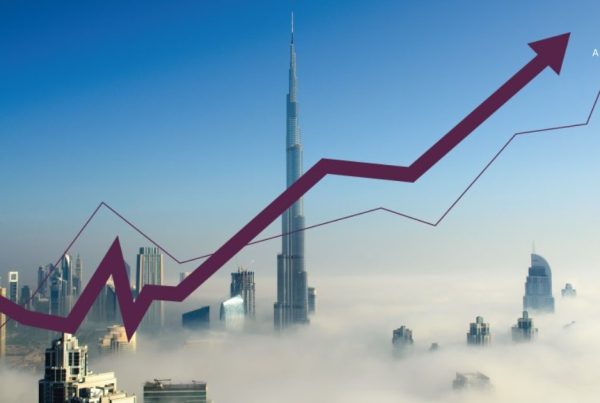


Dubai Real Estate Gains Global Attention as Long-Term Visas and Yields Reshape Investor Decisions
Dubai Emerges as an Alternative to Highly Regulated Property Markets
Dubai’s real estate market has increasingly attracted international attention from investors seeking alternatives to heavily regulated and high-tax property markets. In recent years, conversations comparing Dubai property investment to traditional markets such as Seoul have become more common, driven by a combination of long-term residency incentives, rental yields, and capital appreciation potential. The proposition of securing a 10-year residency visa alongside stable income has positioned Dubai as a strategic destination rather than a speculative trend.
For many global investors, Dubai represents a shift in how real estate is viewed. Rather than serving purely as a residential purchase, property in the emirate is increasingly treated as a structured asset class alongside equities, funds, and other investment vehicles. This change has been reinforced by market transparency, regulatory frameworks, and sustained demand from both end users and international capital.
2025 Marks a Record-Breaking Year for Dubai Property
Dubai’s real estate market reached historic levels in 2025. According to data from the Dubai Land Department, total transaction value exceeded AED 683 billion during the year. Off-plan transactions accounted for approximately AED 444 billion, while completed property sales reached AED 236 billion. Residential prices rose by around 20 percent year-on-year, while rents increased by roughly 19 percent, reflecting strong absorption across multiple segments.
Growth was particularly evident in off-plan developments, supported by structured escrow regulations and phased payment mechanisms. At the same time, the secondary market remained resilient, underpinned by genuine end-user demand and long-term investor participation. Villa prices outperformed apartments in many areas, reflecting rising family migration and longer-term residency trends.
Capital Inflows Support Long-Term Market Stability
Despite global interest rate pressures, Dubai continued to attract steady inflows of international capital throughout 2025. Wealth originating from the Middle East, Europe, Russia, and Asia contributed to market depth. Dubai’s positioning as a medium- to long-term investment destination, rather than a short-cycle speculative market, became more pronounced.
Established districts such as Downtown Dubai, Dubai Marina, and Business Bay continued to attract capital due to limited land availability, global visibility, and consistent rental demand. These locations remain benchmarks for liquidity and exit flexibility.
Tax Advantages Are Real but Not Absolute
Dubai’s tax framework remains one of its strongest attractions. There is no local capital gains tax, property holding tax, or rental income tax within the UAE. Investors purchasing property valued above AED 2 million are eligible for a 10-year residency visa, reinforcing the link between real estate ownership and long-term stability.
At the same time, tax obligations are not entirely eliminated for foreign residents. Investors remain subject to tax reporting requirements in their home jurisdictions, and overseas rental income may be taxable depending on residency status. Understanding cross-border compliance is therefore essential when evaluating net returns.
Rental Yields and Institutional Safeguards
Dubai’s residential rental yields typically range between 6 and 7 percent annually, placing the city among the highest-yielding mature real estate markets globally. A residential unit acquired at approximately AED 1 million can generate annual rental income in the range of AED 60,000 to AED 70,000 under stable market conditions.
Institutional safeguards support investor confidence. Off-plan payments are held in escrow accounts and released to developers only upon verified construction milestones. This structure reduces project risk and aligns developer incentives with delivery progress.
Broker Quality and Developer Selection Matter
As market activity has increased, the importance of due diligence has grown. One of the most frequently cited risks is engagement with unlicensed or inexperienced brokers. Investors are advised to verify broker registration and transaction history directly through official channels.
Developer selection is equally critical. Large, established developers such as Emaar, Sobha Group, DAMAC, and Nakheel typically demonstrate stronger delivery quality, infrastructure integration, and resale liquidity compared to smaller, less-proven operators.
Service charges also materially impact net returns. Annual maintenance fees can vary significantly between developments, affecting effective yield after expenses. A headline rental return of 7 percent can decline to 4 or 5 percent once service charges are accounted for, making cost analysis essential.
2026 Signals a Shift Toward Selective Growth
While 2025 delivered exceptional performance, market dynamics are expected to moderate in 2026. Approximately 120,000 new residential units are scheduled for delivery during the year, with total supply expected to reach around 240,000 units by 2027. Apartments account for the majority of upcoming inventory.
Rating agencies have indicated the possibility of price adjustments of 10 to 15 percent in certain segments if supply outpaces absorption. Market participants increasingly anticipate selective performance rather than uniform appreciation across all locations and product types.
Quality, Location, and Community Drive Resilience
Industry consensus suggests that future growth will be driven by asset quality, infrastructure readiness, and community completeness rather than speculative momentum. Areas with strong connectivity, family-oriented planning, and established amenities are expected to outperform, while lower-quality assets may face pricing pressure.
Dubai’s continued population growth and economic diversification support long-term demand fundamentals. Even in periods of adjustment, the market structure increasingly favours assets aligned with genuine residential needs rather than short-term trading.
Conclusion: Dubai Remains Attractive With Disciplined Strategy
Dubai real estate continues to offer compelling opportunities for investors who approach the market with discipline, research, and long-term perspective. The era of indiscriminate appreciation has passed, replaced by a market where selection, developer quality, and location fundamentals determine outcomes.
Aurantius Real Estate advises international investors on navigating Dubai’s evolving property market through data-driven analysis, verified developer access, and regulatory guidance. By focusing on fundamentals, risk management, and long-term value, Aurantius Real Estate supports informed investment decisions aligned with sustainable capital growth in the UAE.