

Dubai Real Estate 2026: Growth vs Stability, ROI Performance, and Mortgage Opportunities
Dubai real estate in 2026 is entering a new phase of stability after a period of rapid growth, with investor decisions increasingly driven by data rather than speculation. Property price growth has stabilized at around 4%–8%, while demand remains strong due to population growth and global capital inflows. Key areas such as Dubai Marina, Downtown Dubai, and Business Bay continue to attract investors seeking strong rental income and long-term ROI, making Dubai one of the most attractive real estate markets globally.
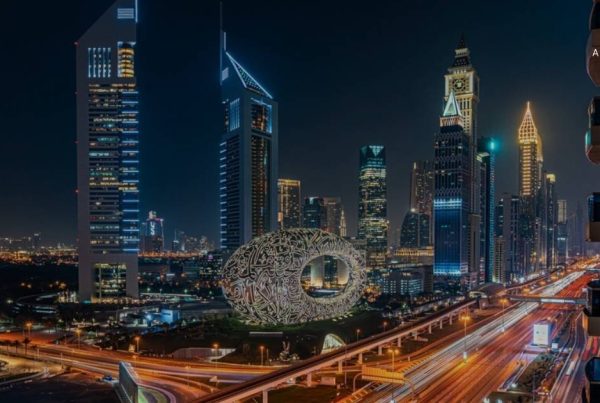
Dubai real estate in 2026 is transitioning from a period of rapid expansion into a more structured and stable growth phase, where investor decisions are increasingly guided by data rather than momentum. Market performance indicates that while price growth has moderated to a sustainable range of approximately 4% to 8%, underlying demand remains strong due to population growth, global capital inflows, and long-term residency incentives. Prime locations such as Dubai Marina and Downtown Dubai continue to demonstrate liquidity and investor confidence, supported by strong rental demand and international buyer activity.
Market Dynamics: Stabilization Rather Than Crisis
The current market cycle reflects a shift toward maturity rather than a downturn, with analysts describing 2026 as a period of adjustment following record transaction volumes in previous years. Luxury segments, particularly in Palm Jumeirah and high-end communities, continue to show resilience due to limited supply and sustained demand from high-net-worth individuals. In contrast, mid-market apartment segments in areas such as Jumeirah Village Circle are experiencing more balanced growth due to increased supply, highlighting the importance of micro-market analysis in investment decisions.
Dubai Property Purchase Fees Breakdown
When purchasing property in Dubai, investors must consider multiple mandatory and optional fees.
These costs vary depending on whether the property is off-plan or part of the secondary market.
Below is a structured overview of the key expenses involved.
| Fee Category | Amount | Notes |
|---|---|---|
| DLD Transfer Fee | 4% of property value | Mandatory government fee; often waived by developers as an incentive. |
| Trustee Office Fee | AED 4,200 | For properties over AED 500k (includes 5% VAT). |
| Agency Commission | 2% + VAT | Standard for secondary market; often 0% for direct off-plan purchases. |
| Down Payment | 10% – 20% | Required to secure the unit and activate the payment plan. |
| Oqood Registration | AED 1,000+ | Applicable for off-plan properties to register the initial sale. |
| DEWA Deposit | AED 2,000 – 4,000 | Refundable deposit depending on property type (Apartment vs. Villa). |
Rental Yields and ROI Performance
Dubai remains one of the most attractive global markets for rental income, with average yields ranging between 6% and 8% for apartments and slightly lower for villas. Investors are increasingly focusing on net yield calculations rather than gross returns, taking into account service charges, maintenance, and vacancy factors. Tools such as Calculate ROI Dubai Property are essential for evaluating realistic returns and aligning investment strategies with long-term income goals. Rental demand continues to be driven by population growth and economic expansion, particularly in central districts like Business Bay.
Off-Plan vs Ready Property Strategy
Investment strategies in 2026 are increasingly divided between off-plan and ready property acquisitions. Off-plan projects offer potential capital appreciation of up to 15% to 25% by completion, supported by flexible payment structures and lower entry prices. Projects such as Breez by Danube, Pearl House 4, Golf Verge, Sera at Rashid Yachts & Marina, and Marina Cove are attracting investors seeking long-term growth. Additional developments including Peace Lagoons, Rove Home Marasi Drive, Twilight by Binghatti, Samana Resorts, and Iconic Tower further highlight the diversity of opportunities across different market segments. Ready properties, on the other hand, provide immediate rental income and are preferred by investors prioritizing stable cash flow.
Mortgage Trends and Financing Opportunities
Mortgage conditions in Dubai have improved in 2026, with competitive interest rates ranging between approximately 3.9% and 5.5% depending on the lender and borrower profile. Residents can access financing of up to 80% loan-to-value, while non-residents typically qualify for 50% to 60%. Fixed-rate mortgage options are becoming increasingly popular, providing stability in a fluctuating interest rate environment. Investors evaluating financing strategies can refer to Mortgage Loans in Dubai for Residents and Non-Residents 2026 Guide to understand eligibility, costs, and optimal structuring of property financing.
Developer Influence and Market Confidence
Developer credibility continues to be a critical factor in investment decision-making. Leading developers such as Emaar, DAMAC, Sobha Realty, Nakheel, Meraas, and Select Group continue to shape market confidence through consistent delivery, strong infrastructure, and well-planned communities. Their ability to offer flexible payment plans and incentives supports both investor demand and long-term market stability.
Investment Outlook and Strategic Positioning
The Dubai property market in 2026 is best understood as a collection of micro-markets where performance varies by location, property type, and investor objective. Premium communities such as Dubai Hills Estate continue to attract family-oriented buyers, while central business districts offer strong rental demand and liquidity. Insights from Dubai Real Estate 2026 and the broader Dubai Real Estate Blog indicate that long-term investors focusing on yield, asset quality, and financing structure are best positioned to benefit from this evolving market cycle.
Neighborhood Comparison: 2026 Price & Yield Trends
Dubai’s real estate market in 2026 continues to offer diverse investment opportunities across different communities.
From premium locations like Downtown Dubai to high-yield zones such as JVC and Dubai South, each area serves a unique investor profile.
Below is a comparative overview of pricing, entry points, rental yields, and key investment drivers.
| Neighborhood | Avg. Price per Sqft | 1-Bedroom Entry Price | Gross Rental Yield | Primary Attraction |
|---|---|---|---|---|
| Downtown Dubai | AED 2,850+ | AED 1.4M – 1.9M | 4.5% – 5.5% | Prestige & Capital Preservation |
| Dubai Marina | AED 1,450 – 1,820 | AED 1.2M+ | 6.5% – 8.5% | Waterfront Lifestyle & Liquidity |
| Business Bay | AED 1,200 – 1,900 | AED 750K – 1.3M | 6.0% – 8.0% | Centrality & Urban Growth |
| Dubai Hills Estate | AED 1,400 – 1,800 | AED 900K – 1.1M | 5.0% – 6.5% | Family-Centric & Green Living |
| JVC (Jumeirah Village Circle) | AED 900 – 1,350 | AED 650K – 950K | 7.5% – 9.0% | High Yields & Affordability |
| Dubai South | AED 800 – 1,100 | AED 480K – 550K | 8.0%+ | Emerging Airport/Expo Corridor |
Conclusion
Dubai real estate in 2026 reflects a stable and maturing market supported by strong fundamentals, competitive rental yields, and improved financing conditions. Investors who adopt a strategic, data-driven approach can capitalize on opportunities across both growth-oriented and income-generating segments.
FAQs
Q: Is Dubai real estate growing or slowing in 2026?
A: The market is stabilizing with moderate growth, transitioning from rapid expansion to a more sustainable phase.
Q: What is the average ROI in Dubai property?
A: Average returns range between 6% and 8%, depending on location, property type, and investment strategy.
Q: Are mortgages easily available in Dubai?
A: Yes, residents can access up to 80% financing, while non-residents can obtain up to 60% depending on eligibility.
Q: Should investors choose off-plan or ready property?
A: Off-plan offers higher capital growth potential, while ready properties provide immediate rental income.
Q: Which areas are best for investment in 2026?
A: Dubai Marina, Downtown Dubai, Business Bay, and Jumeirah Village Circle remain strong options depending on investment goals.
Aurantius Real Estate provides expert guidance to help investors navigate Dubai’s property market with confidence.