
Palm Jumeirah’s New Pedestrian Bridges: Shoreline and Golden Mile Locations, Traffic Benefits & 2027 Completion Dates
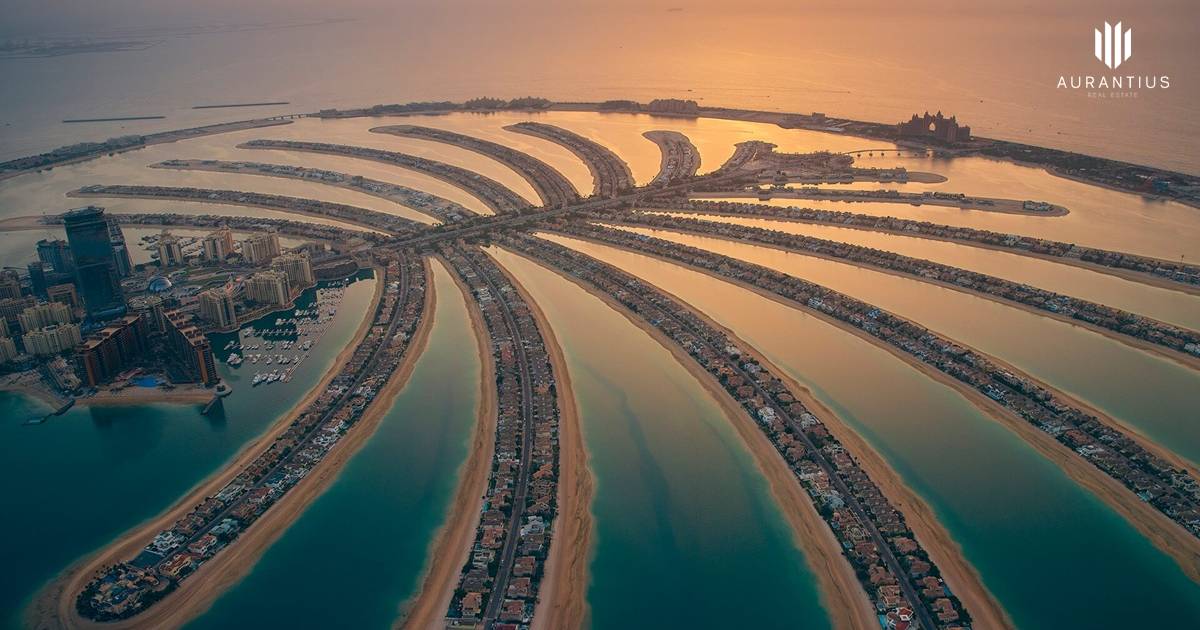
Palm Jumeirah is receiving another major mobility upgrade as Dubai’s Roads and Transport Authority begins construction of two new pedestrian bridges on the island’s trunk in partnership with Dubai Holding Community Management.
The first bridge will be located near Shoreline at the entrance to Palm Jumeirah on the inbound side and is scheduled for completion in June 2027. The second will be positioned at Golden Mile, beside the retail frontages on the outbound side, with completion targeted for October 2027.
Each bridge will span approximately 40 metres and include lifts and accessibility facilities. Together, the two crossings are designed to handle up to 2,700 pedestrians per hour.
RTA expects the project to reduce vehicle waiting times at nearby intersections by around 50% by replacing existing at-grade pedestrian crossings and separating foot traffic from moving vehicles.
For residents and property investors, the importance is broader than the bridges themselves. Palm Jumeirah is a mature, high-value community where mobility, road capacity, pedestrian safety and access to retail and residential clusters increasingly influence the day-to-day quality of the location.
Palm Jumeirah Pedestrian Bridges — Key Facts
Project partners: RTA & Dubai Holding Community Management
Number of bridges: 2
Shoreline bridge: Palm entrance, inbound side
Shoreline completion: June 2027
Golden Mile bridge: Beside retail frontages, outbound side
Golden Mile completion: October 2027
Bridge length: 40 metres each
Combined pedestrian capacity: 2,700 people/hour
Residents expected to benefit: Approx. 16,000
Expected vehicle waiting-time reduction: Approx. 50%
Where Will the Two Palm Jumeirah Bridges Be Located?
The two locations were selected after traffic and field studies assessing pedestrian volumes, vehicle movements, land uses and expected future mobility demand.
| Bridge | Location | Traffic Direction | Target Completion |
|---|---|---|---|
| Shoreline Bridge | Near Shoreline, at the entrance to Palm Jumeirah | Inbound | June 2027 |
| Golden Mile Bridge | Golden Mile, adjacent to the retail frontages | Outbound | October 2027 |
1. Shoreline Bridge: Improving Movement at the Palm Entrance
The Shoreline crossing is positioned near one of the most important pedestrian and traffic points on Palm Jumeirah: the island’s main entrance.
This section serves the established Shoreline residential cluster and surrounding commercial and leisure destinations while handling the heavy flow of vehicles entering the Palm.
Moving pedestrians onto an elevated crossing reduces the need for vehicles and pedestrians to compete for movement through the same surface-level intersection. The bridge is scheduled to be the first of the two completed, with delivery targeted for June 2027.
2. Golden Mile Bridge: Linking Residential and Retail Activity
The second bridge is planned near Golden Mile on the outbound side of Palm Jumeirah.
Its location beside retail frontages is particularly relevant because the Golden Mile area combines residential buildings, retail destinations, restaurants, services and community facilities, producing significant pedestrian movement alongside road traffic.
The Golden Mile bridge is scheduled for completion in October 2027, approximately four months after the Shoreline crossing.
Each Bridge Will Handle High Pedestrian Volumes
The combined design capacity of the two bridges is approximately 2,700 pedestrians per hour.
RTA says this exceeds current demand and has been designed to accommodate future increases in pedestrian traffic as Palm Jumeirah’s residential, commercial and tourism activity continues to develop.
Approximately 16,000 residents are expected to benefit directly from the project, in addition to visitors, employees and tourists moving through the surrounding areas.
| Design Feature | Project Specification |
|---|---|
| Length | 40 metres each |
| Combined capacity | 2,700 pedestrians/hour |
| Vertical access | Lifts at the crossings |
| Accessibility | Designed for all users, including senior citizens and People of Determination |
| Architecture | Designed to complement Palm Jumeirah’s urban and tourism character |
Why the Bridges Could Reduce Vehicle Waiting Times by 50%
The traffic benefit comes mainly from removing conflicts between vehicles and pedestrians at street level.
At an at-grade crossing, traffic may need to stop or be managed around pedestrian movements. Elevated crossings allow pedestrians to cross independently while vehicles continue moving through the road network.
RTA expects the Palm Jumeirah project to reduce vehicle waiting times at surrounding intersections by approximately 50%, shorten journeys and improve general traffic flow.
This is particularly relevant on the Palm’s trunk, where residential, retail, hotel and visitor traffic is concentrated along a relatively limited road corridor.
Six Additional Acceleration and Deceleration Lane Improvements Are Also Planned
The pedestrian bridges are only part of a wider Palm Jumeirah traffic programme.
RTA’s broader package includes additional acceleration and deceleration lanes at six locations on Palm Jumeirah. These lanes are intended to improve access to parallel service roads and reduce disruption when vehicles merge into or leave the main traffic stream.
The wider Palm Jumeirah road-improvement programme has a stated target of reducing travel times for entry, exit and internal movements by approximately 40%.
Two elevated pedestrian crossings: Replace selected street-level pedestrian movements.
Six lane-improvement locations: Add acceleration and deceleration capacity.
Vehicle waiting-time target: Around 50% reduction near the bridge intersections.
Wider Palm travel-time target: Around 40% reduction for entry, exit and internal movements under the broader programme.
The Project Comes From a Larger AED 6 Billion RTA–Dubai Holding Agreement
The Palm Jumeirah improvements form part of a wider infrastructure agreement signed by RTA and Dubai Holding in March 2025.
That agreement is worth approximately AED 6 billion and includes transport and access upgrades serving multiple Dubai Holding communities and developments.
Alongside Palm Jumeirah, the programme includes road and access improvements involving locations such as Jumeirah Village Circle, Dubai Production City, Business Bay and International City Phase 3.
The broader strategy is significant for Dubai property because it demonstrates how road infrastructure is increasingly being planned alongside major residential and commercial communities rather than being treated as a separate issue after development occurs.
Aurantius examines this wider relationship between mobility and real estate in Dubai’s Infrastructure Push: Blue Line, Roads & Hubs.
Palm Jumeirah Is Part of Dubai’s Wider Pedestrian-Safety Programme
The bridges also form part of RTA’s wider pedestrian-safety strategy.
RTA reported that Dubai’s pedestrian fatality rate declined by approximately 98% between 2007 and 2025.
Over roughly the same period, the number of pedestrian bridges and underpasses increased from 26 in 2006 to 178 by the end of 2025 — an increase of approximately 585%.
Dubai has also approved a separate 2026–2030 programme covering 31 additional pedestrian bridges and tunnels across the city.
The Palm Jumeirah works therefore sit within a wider shift toward separating pedestrians from high-volume roads wherever demand and road-safety studies justify dedicated crossings.
What Does the Upgrade Mean for Shoreline and Golden Mile Residents?
For nearby residents, the most direct benefit should be safer and more predictable pedestrian movement between the residential, retail and community facilities on the Palm’s trunk.
The addition of lifts is also important because the bridges are intended to serve a broad range of users rather than only able-bodied commuters using stairs.
During construction, RTA says traffic-management measures will remain in place to maintain traffic flow. Residents should therefore distinguish between temporary construction disruption during 2026–2027 and the longer-term mobility objective once both bridges and associated road works are operational.
Could Better Mobility Affect Palm Jumeirah Property Values?
Infrastructure can improve a property’s practical location quality, but the new bridges should not be translated into a guaranteed percentage increase in property values.
Palm Jumeirah is already an ultra-prime market where pricing depends heavily on property type, building age, view, renovation quality, beach access, plot position and scarcity.
Indeed, late-2026 luxury-market data has shown that average Palm Jumeirah prices can soften even while trophy assets continue to transact at very high values.
Aurantius’ Dubai Luxury Property Correction 2026 analysis explains why recent Palm Jumeirah pricing should be assessed property by property rather than through a single community-wide headline.
| Infrastructure Improvement | Property Interpretation |
|---|---|
| Safer pedestrian crossings | Improves day-to-day liveability for residents and visitors |
| Lower vehicle waiting times | Can improve practical access to residential and retail clusters |
| Better internal road flow | Supports the usability of a high-density luxury destination |
| New infrastructure investment | Positive location signal, but not a guaranteed capital-gain trigger |
Infrastructure Is Increasingly Part of Palm Jumeirah’s Investment Story
Palm Jumeirah has historically been valued mainly for waterfront scarcity, luxury hospitality and global recognition. But infrastructure and community management are becoming increasingly important parts of the ownership proposition.
Aurantius previously examined this evolution in Palm Jumeirah Evolution: Dubai’s Iconic Island, where mobility and future infrastructure form part of the island’s longer-term development strategy.
Owners also need to consider community operating costs. Palm Jumeirah became the first Dubai master community to receive a three-year fixed service-fee budget mechanism, covered in Aurantius’ Palm Jumeirah Service Fee Update.
For an investor, this reinforces a broader point: luxury real estate should be assessed using both the property itself and the quality of the infrastructure, access, community management and operating environment supporting it.
What Should Residents and Property Owners Watch During Construction?
1. Temporary traffic-management changes around Shoreline and Golden Mile.
2. Any lane changes linked to the six acceleration and deceleration improvements.
3. Official RTA notices rather than unofficial social-media diversion maps.
4. Progress toward the June 2027 Shoreline completion target.
5. Progress toward the October 2027 Golden Mile completion target.
6. Final pedestrian-access arrangements after the existing at-grade crossings are replaced.
FAQ: Palm Jumeirah Pedestrian Bridges 2027
Question: Where are the new Palm Jumeirah pedestrian bridges being built?
Answer: One bridge will be near Shoreline at the entrance to Palm Jumeirah on the inbound side. The second will be at Golden Mile beside the retail frontages on the outbound side.
Question: When will the Shoreline pedestrian bridge open?
Answer: RTA currently targets completion in June 2027.
Question: When will the Golden Mile bridge be completed?
Answer: The Golden Mile bridge is scheduled for completion in October 2027.
Question: How long are the new bridges?
Answer: Each bridge will span approximately 40 metres.
Question: Will the bridges have lifts?
Answer: Yes. RTA says both crossings will include lifts and supporting facilities and will be designed to improve access for senior citizens and People of Determination.
Question: How many pedestrians can the bridges handle?
Answer: Together, the two bridges are designed for approximately 2,700 pedestrians per hour.
Question: Will Palm Jumeirah traffic improve?
Answer: RTA expects vehicle waiting times at the surrounding intersections to fall by approximately 50%. The wider Palm road-improvement programme targets about a 40% reduction in travel times for entry, exit and internal movements.
Question: Will the bridges increase Palm Jumeirah property prices?
Answer: There is no guaranteed property-price uplift. Better access and pedestrian safety can improve location quality, but individual values still depend on property type, building, view, renovation, beach access, scarcity, supply and purchase price.
Conclusion: A Practical Mobility Upgrade for an Already Mature Luxury Community
Palm Jumeirah’s Shoreline and Golden Mile pedestrian bridges are relatively small structures compared with Dubai’s multibillion-dirham Metro and highway projects, but their impact is highly local and practical.
The two 40-metre crossings are designed to remove pedestrian movements from busy surface intersections, accommodate up to 2,700 pedestrians per hour and improve accessibility for approximately 16,000 residents as well as visitors and tourists.
The Shoreline bridge is targeted for June 2027, followed by Golden Mile in October 2027. Together with acceleration and deceleration lane improvements across six locations, the wider programme is intended to make movement around the Palm faster and safer.
For property owners, the project strengthens the infrastructure supporting an already established luxury destination. It should be viewed as an improvement in usability and community quality rather than a guaranteed capital-appreciation catalyst.
Property investor takeaway: Palm Jumeirah’s value is still driven primarily by scarcity, property quality, view, beachfront position and global demand. The new bridges add another positive factor — safer pedestrian movement and improved road efficiency — but buyers should price that infrastructure benefit alongside recent comparable sales, service charges, building quality and the exact property they are considering.