
UAE-China Yuan Trade 2026: A New Era for Dubai Real Estate Growth
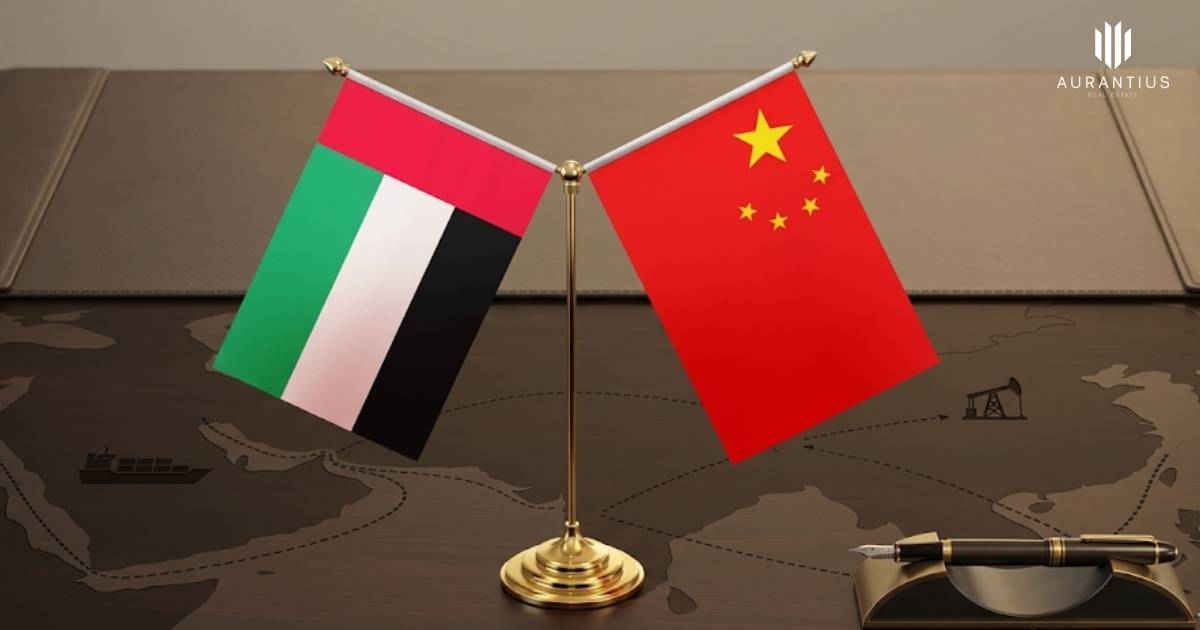
As we move through 2026, the UAE real estate sector is undergoing a structural transformation driven by deeper financial integration with China. With bilateral non-oil trade surpassing $111.5 billion, the introduction of Yuan-based financial systems has created a direct capital pipeline into the UAE. By reducing reliance on US Dollar conversions, this shift is enabling faster, more efficient transactions for Chinese investors, who are now among the top buyer groups in Dubai. This evolution marks a transition from the UAE being a passive safe haven to becoming an active, preferred destination for global capital.
RMB Clearing Centre Dubai and Institutional Backing
The establishment of RMB clearing infrastructure, supported by institutions such as First Abu Dhabi Bank, has significantly enhanced transaction efficiency. This system allows direct settlement in Yuan, eliminating traditional currency conversion delays and costs. The Central Bank of the UAE has also reinforced this framework through a renewed RMB 35 billion currency swap agreement with China, ensuring liquidity for cross-border trade and investment . This institutional backing is critical in building investor confidence and facilitating large-scale property transactions.
The Direct Capital Pipeline: Removing Currency Friction
The integration of Yuan into the UAE financial ecosystem addresses one of the most significant barriers for Chinese investors: capital movement restrictions. Historically, individual foreign currency conversion limits slowed property acquisitions. With direct Yuan transactions, investors can now deploy capital more efficiently, enabling faster deal execution and larger investment volumes. This frictionless system is redefining how international buyers engage with the Dubai real estate market.
Surge in Chinese Investors UAE 2026
The impact of these financial changes is evident in the rapid increase in Chinese investors UAE 2026. Chinese buyers have risen to become one of the top four investor nationalities, with their share of the market increasing significantly over the past two years. Investment volumes have reached record levels, supported by strong demand for both luxury and mid-market properties. Insights from Chinese investor expansion analysis highlight how this trend is reshaping the market.
Financial Advantage: Yields and Tax Efficiency
The UAE’s financial environment offers compelling advantages for international investors. With zero personal income tax and rental yields ranging between 6% and 9%, the market provides returns that significantly outperform many global cities. This yield differential is particularly attractive to Chinese investors seeking diversification from domestic markets. Comparative insights from global yield analysis demonstrate the UAE’s competitive positioning.
Residency Benefits and Golden Visa Incentives
Policy incentives are further strengthening the UAE’s appeal. The updated 2026 Golden Visa framework allows investors to secure long-term residency with property investments of AED 2 million or more. This benefit aligns financial investment with lifestyle and residency advantages, making the UAE a comprehensive destination for wealth preservation. The combination of residency rights and financial returns creates a powerful incentive for sustained investment.
Dubai Real Estate 2026 and Market Liquidity
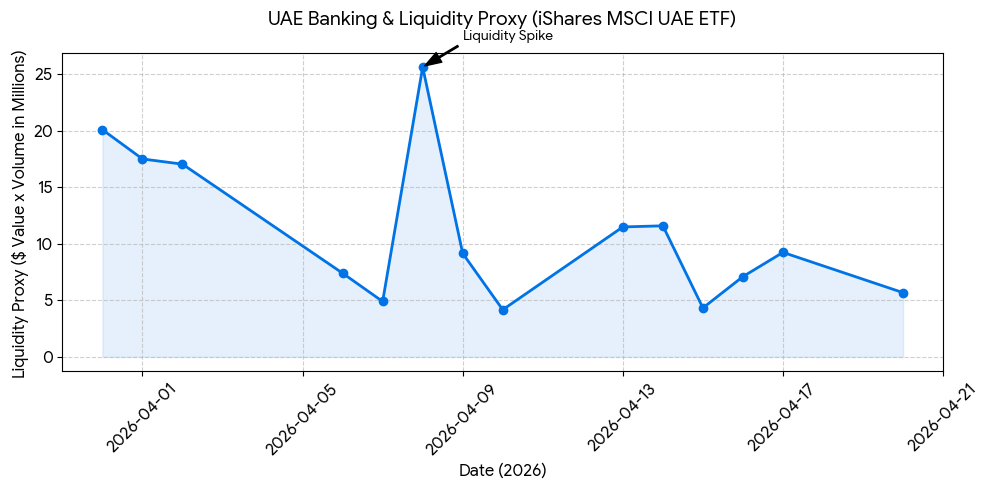
The influx of Yuan-based capital is enhancing market liquidity and supporting price stability. Increased demand from international buyers is helping to absorb new supply while maintaining strong transaction volumes. As explored in capital flow analysis, diversified funding sources are a key factor in the market’s resilience and growth.
Belt and Road Alignment and Strategic Positioning
The UAE’s role as a Belt and Road real estate hub is becoming increasingly significant. Strategic infrastructure projects and trade partnerships are positioning the country as a gateway between Asia, the Middle East, and Europe. This alignment is attracting long-term investment and reinforcing the UAE’s status as a global logistics and financial center. The integration of Yuan transactions further strengthens this positioning by aligning financial systems with trade flows.
Preferred Investment Areas for Chinese Buyers
Certain are emerging as preferred destinations for Chinese investors. Dubai Creek Harbour, Business Bay, and Jumeirah Village Circle are attracting strong interest due to their combination of location, yield potential, and development quality. In Abu Dhabi, Saadiyat Island continues to draw high-net-worth buyers seeking luxury waterfront properties. Insights from luxury market trends highlight how international capital is shaping these.
Risk Factors and Strategic Considerations
While the outlook is positive, investors should consider potential risks, including currency fluctuations and global economic conditions. However, the diversification of financial systems and the UAE’s strong regulatory framework mitigate these risks. A balanced approach that considers both short-term market conditions and long-term growth potential is essential for successful investment.
Conclusion
The integration of Yuan trade into the UAE financial system marks a new chapter for Dubai real estate 2026. By creating a direct capital pipeline and reducing transaction friction, the UAE is attracting a new wave of international investment. This transformation reinforces the country’s position as a global hub for capital, offering both stability and growth in an increasingly interconnected world.
FAQs
Q: How does Yuan trade impact UAE real estate?
A: It reduces currency conversion barriers, enabling faster and more efficient investment from Chinese buyers.
Q: Why are Chinese investors increasing in Dubai?
A: Strong yields, tax advantages, and improved financial systems make the UAE highly attractive.
Q: What is the RMB clearing centre?
A: It is a system that allows direct Yuan transactions, simplifying cross-border payments.
Q: What are the average rental yields in the UAE?
A: Yields typically range between 6% and 9%, depending on location and property type.
Q: Can investors get residency through property investment?
A: Yes, the Golden Visa allows long-term residency for investments of AED 2 million or more.
Aurantius Real Estate helps investors leverage global capital trends to secure high-return opportunities in Dubai’s evolving property market.