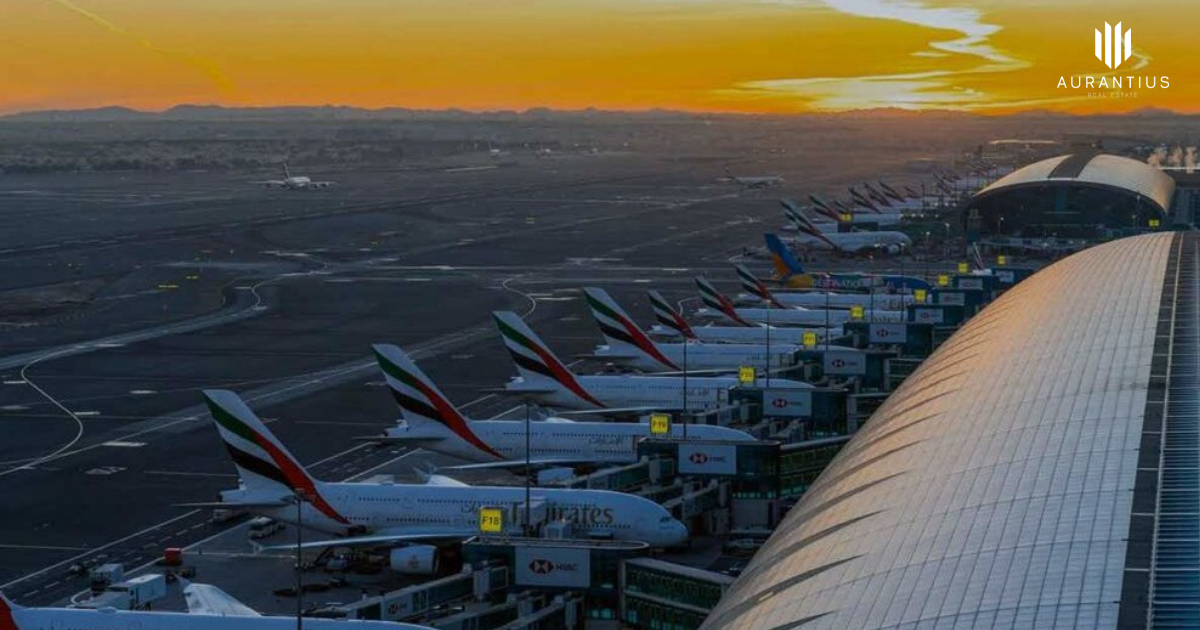

UAE Flights Resumption in 2026: What Limited DXB and DWC Operations Mean for Dubai Real Estate Stability
As of March 5, 2026, flights to and from Dubai have partially resumed on a limited basis following regional airspace closures linked to military conflict activity involving the US, Israel, and Iran. The reopening is structured as controlled, corridor-based operations rather than a full return to normal schedules. For property investors, aviation continuity is a practical indicator of how quickly business mobility, tourism inflows, and transactional activity can normalize after an external shock.
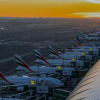
Limited operations at Dubai International (DXB) and Dubai World Central (DWC) began on the evening of March 2, 2026. Authorities described the restart as a “small number” of flights, with priority given to repatriation movements and cargo services designed to assist stranded passengers and maintain essential logistics. The operating model is designed to keep core connectivity functioning while airspace restrictions remain active across the region.
Airline updates during this period have reinforced the same message: most regular commercial schedules remain suspended, with service running on restricted approvals and revised routings. Emirates indicated scheduled flights would remain suspended until 11:59 pm UAE time on March 7, 2026, with limited services continuing. flydubai reported a partial resumption from Terminals 2 and 3 starting March 3, with a focus on disrupted passengers. Air Arabia communicated a suspension until 3:00 pm UAE time on March 9. Capacity has been described at roughly 48 flights per hour through emergency corridors, a rate that points to continuity under constraint rather than normal airport throughput.
The most important operational guidance has been directed at passenger movement. Authorities and airlines stated that passengers should not go to DXB or DWC unless they have a direct confirmation of a departure time from their airline. Access to terminals has been restricted to travelers with confirmed documentation to reduce congestion and improve operational control. Airlines have also indicated prioritization logic that favors earlier bookings and passengers already stranded in transit.
Transaction Mechanics: Where Flight Disruption Creates Friction
Flight disruption affects real estate through transaction mechanics before it affects pricing. Deal pipelines often rely on physical movement for viewing schedules, developer appointments, bank meetings, document witnessing, and final signings. When travel becomes uncertain, timelines extend. Closings that were typically completed in days can shift into multi-week cycles when investors wait for clearer regional visibility or when travel-dependent steps get delayed.
Remote transaction infrastructure reduces the friction. Buyers already based in Dubai can continue viewings and signings with fewer constraints. Overseas buyers with established representation can use power-of-attorney structures and professional conveyancing support to keep transactions moving. Some investors still prefer in-person inspections, especially for higher-value acquisitions where floorplate, view corridors, and building quality need verification before commitment.
Market behavior during constrained aviation periods often shows a temporary shift toward ready properties. Ready units allow immediate utility, tenancy execution, and faster cash-flow activation, which supports underwriting in uncertain periods. Off-plan interest can remain active, yet screening criteria tend to tighten. Investors place greater weight on delivery history, escrow discipline, and community fundamentals.
Rental Market Sensitivity: Tourism-Linked Stock Versus Resident-Driven Demand
Short-term rentals and hospitality-adjacent units are usually the first segment to feel aviation volatility. Occupancy in tourist-driven inventory can soften when flight capacity is constrained or when travellers postpone trips. This pattern is most visible in locations that are closely linked to leisure arrivals and premium waterfront demand such as Dubai Marina and Palm Jumeirah.
Resident-driven leasing demand is typically more resilient because it is anchored in employment, schooling, and longer-duration household decisions. Corporate tenants already inside the country continue to lease, renew, and relocate based on job requirements. Areas that benefit from office density and transit-linked activity can maintain leasing liquidity even during travel disruption windows, including Business Bay and Downtown Dubai.
Mid-market communities with broad tenant pools can also remain stable because demand is not dependent on incoming tourism. Tenant choice still reacts to affordability and commute factors. Leasing velocity can slow for a short period when corporate travel pauses or when new hires delay relocation flights, yet the base demand remains tied to resident population dynamics and internal mobility. Locations that often sit within that resident-driven band include Jumeirah Village Circle and family-oriented submarkets such as Dubai Hills Estate.
Investor Sentiment: A Stress Test for Confidence, Not a New Market Thesis
Flight resumption at a limited level acts as a confidence signal because it demonstrates continuity in critical infrastructure. Investors monitor airports as part of a wider operating environment that includes security, governance responsiveness, and institutional capacity to keep commerce functioning. A controlled restart suggests that operational recovery is being managed through defined priorities rather than broad uncertainty.
Investor sentiment typically reacts in two stages. The first stage is a perception shock that slows decision-making. The second stage is a normalization phase where buyers return to fundamentals such as rental yields, pricing comparables, liquidity, and regulatory protections. During the normalization phase, market participants often highlight that Dubai remains a regional hub with established systems for asset ownership, tenant enforcement, and capital mobility.
In the short run, the main variable is transaction velocity, not the structural demand base. For sellers and landlords, the practical risk is a brief lag in new bookings, slower viewing schedules, and longer closing timelines. For buyers, the practical opportunity is negotiating leverage on timing-sensitive inventory, especially where sellers prefer certainty and faster completion.
Conclusion
The partial resumption of flights at DXB and DWC in early March 2026 provides a measurable reference point for Dubai’s market resilience under external stress. Restricted operations, airline suspension windows, and controlled terminal access can slow travel-dependent transactions and short-term rental performance for a limited period. Resident-driven leasing, prime-location liquidity, and governance-led infrastructure continuity remain the core stabilizers that investors evaluate when assessing Dubai real estate risk.
For a structured view of Dubai market coverage, community research, and investor-oriented updates, follow Aurantius Real Estate for location insights and real estate context designed for decision-making based on fundamentals rather than headlines.