
Palm Jumeirah Land Sets 2025 Price Record as Ultra-Prime Demand Redefines Dubai’s Luxury Market
Record Residential Land Sale Highlights Scarcity Value
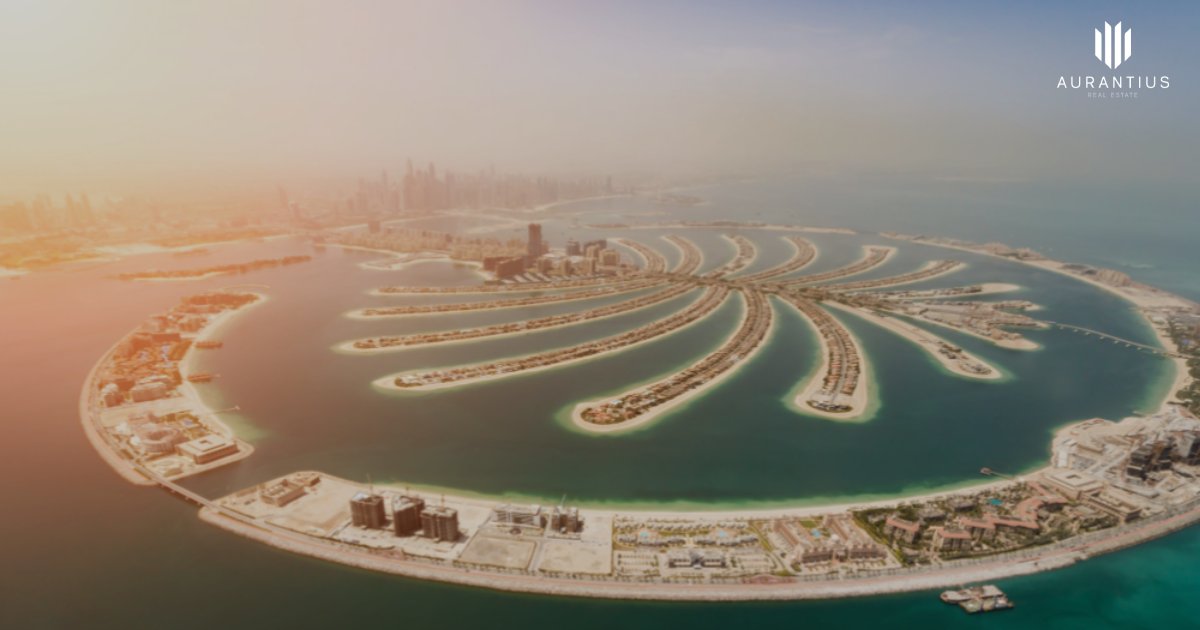
A residential land transaction on Palm Jumeirah has set a new benchmark for Dubai in 2025, with a 13,579-square-foot plot trading for AED 88 million. The deal established the highest price per square foot ever recorded for a residential land sale in the city during the year. The transaction underscores the premium investors place on scarcity, location prestige, and bespoke development potential within Dubai’s ultra-prime segment.
Transaction Structure and Execution Speed
The transaction was completed within one week from initial engagement to title transfer at the Dubai Land Department. B1 Properties represented both buyer and seller, highlighting the efficiency that characterises Dubai’s high-end real estate market. Rapid execution at this valuation level reflects deep liquidity and decisive buyer behaviour among ultra-high-net-worth individuals.
Why Price per Square Foot Matters More Than Total Value
While Dubai recorded larger land transactions by total value in 2025, including a Palm Jumeirah plot exceeding AED 1.8 billion, the AED 88 million sale stands out for its price density. Price per square foot acts as a clearer signal of demand intensity for limited residential plots. This metric reflects competition for irreplaceable land rather than scale-driven development economics.
Palm Jumeirah as the Core of Ultra-Prime Demand
Palm Jumeirah continues to function as Dubai’s most recognisable residential asset class. Waterfront scarcity, global branding, and controlled supply support sustained price appreciation. Residential values on the Palm increased by nearly 19 percent during the first five months of 2025, reinforcing its role as a capital preservation destination rather than a yield-driven market.
Buyer Intent Focused on Bespoke Villa Development
The buyer plans to develop a custom luxury villa on the acquired plot. This approach reflects a broader trend within Palm Jumeirah where investors prioritise personalised residences over standardised product. Bespoke development allows alignment with lifestyle preferences, architectural identity, and long-term holding strategies.
Ultra-Luxury Momentum Across Dubai in 2025
The Palm Jumeirah transaction forms part of a wider pattern of record-breaking activity. Residential transactions above AED 10 million increased by more than 24 percent year on year by mid-November 2025. Demand has remained concentrated among global investors seeking geopolitical stability, regulatory clarity, and long-term residency alignment.
Scarcity as the Primary Pricing Driver
Land on Palm Jumeirah represents a finite asset class. New residential plots are limited, and redevelopment opportunities are constrained. This scarcity underpins pricing resilience even during broader market recalibration phases. Investors increasingly differentiate between replaceable apartment stock and irreplaceable waterfront land.
Comparison With Other Prime Dubai Locations
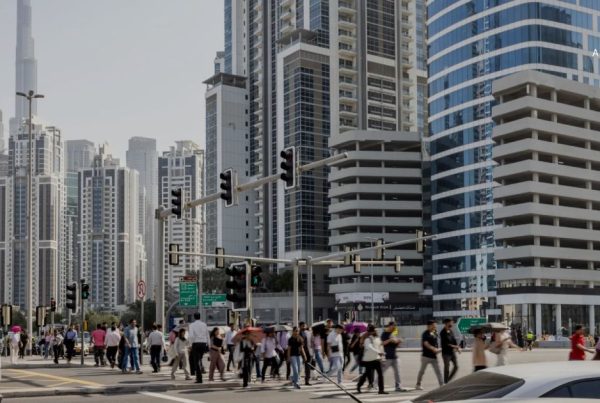
While Palm Jumeirah leads the ultra-prime category, other established districts continue to attract high-value transactions. Areas such as Dubai Marina and Downtown Dubai remain liquid due to global recognition and rental depth. Central business locations like Business Bay offer a different investment profile driven by mixed-use demand.
Emerging Balance Between Prime and Aspirational Communities
Investor attention also extends to lifestyle-oriented master-planned environments. Dubai Hills Estate continues to attract long-term family buyers, while Jumeirah Village Circle provides liquidity at more accessible price points. These markets complement ultra-prime holdings within diversified portfolios.
Developer Influence on Land and Asset Value
Master planning and governance standards shape investor confidence in premium locations. Palm Jumeirah’s long-term positioning has been reinforced by Nakheel, whose stewardship established global recognition. Across Dubai, delivery track records from developers such as Emaar, Sobha Realty, and DAMAC continue to influence capital allocation decisions.
Branded and Lifestyle-Driven Development Trends
Luxury real estate in Dubai increasingly intersects with branding and lifestyle positioning. Developers such as Meraas and Select Group have reinforced this dynamic through destination-led projects that combine residential, hospitality, and retail components. These strategies enhance long-term desirability and resale performance.
Golden Visa Alignment and Long-Term Ownership
Ultra-prime land acquisitions often align with long-term residency planning. Property ownership above AED 2 million supports Golden Visa eligibility, reinforcing Dubai’s appeal as a permanent base for global capital. Palm Jumeirah’s price levels naturally exceed residency thresholds, integrating lifestyle, asset security, and immigration objectives.
What This Record Means for the 2026 Outlook
The 2025 record land sale signals continued strength at the top end of the market as Dubai approaches 2026. While broader segments may experience selective price stabilisation, ultra-prime land remains insulated by scarcity and global demand. Pricing benchmarks set during 2025 provide reference points that influence future valuations across luxury assets.
Strategic Perspective for Investors
High-value land transactions reflect more than market exuberance. They demonstrate confidence in Dubai’s long-term fundamentals, legal framework, and global positioning. Ultra-prime investors focus on assets that cannot be replicated, favouring land and bespoke development opportunities over commoditised inventory.
Aurantius Real Estate Advisory View
As Dubai’s luxury market continues to mature, informed advisory becomes essential. Aurantius Real Estate supports investors with location-specific analysis, developer insight, and strategic guidance across ultra-prime and core residential markets. Through disciplined evaluation and market intelligence, Aurantius Real Estate helps investors navigate opportunities shaped by scarcity, liquidity, and long-term value preservation.