
Trend Shift: Dubai Real Estate Decisions Turn Logic-Based in 2025 as Data, Infrastructure, and Utility Drive Value
Dubai’s 2025 Market Signals a Maturity Phase
Dubai’s real estate market in 2025 is showing a clear behavioural shift. Decision-making is moving away from momentum-led buying toward logic-based evaluation where data, long-term utility, and execution certainty carry more weight than hype. This phase is typically associated with market maturity because buyers begin underwriting each purchase like an asset, measuring downside protection, resale liquidity, tenant demand, and the reliability of delivery outcomes.
Transaction activity supports the scale of engagement in this cycle. Between January and November 2025, Dubai recorded 197,263 transactions worth AED 624.1 billion, a level of activity that signals deep market participation across multiple buyer types. These figures matter for investors because high volumes across a broad base tend to strengthen liquidity, improve price discovery, and reduce dependence on a narrow segment of speculative capital.
Infrastructure and Connectivity Become Primary Pricing Anchors
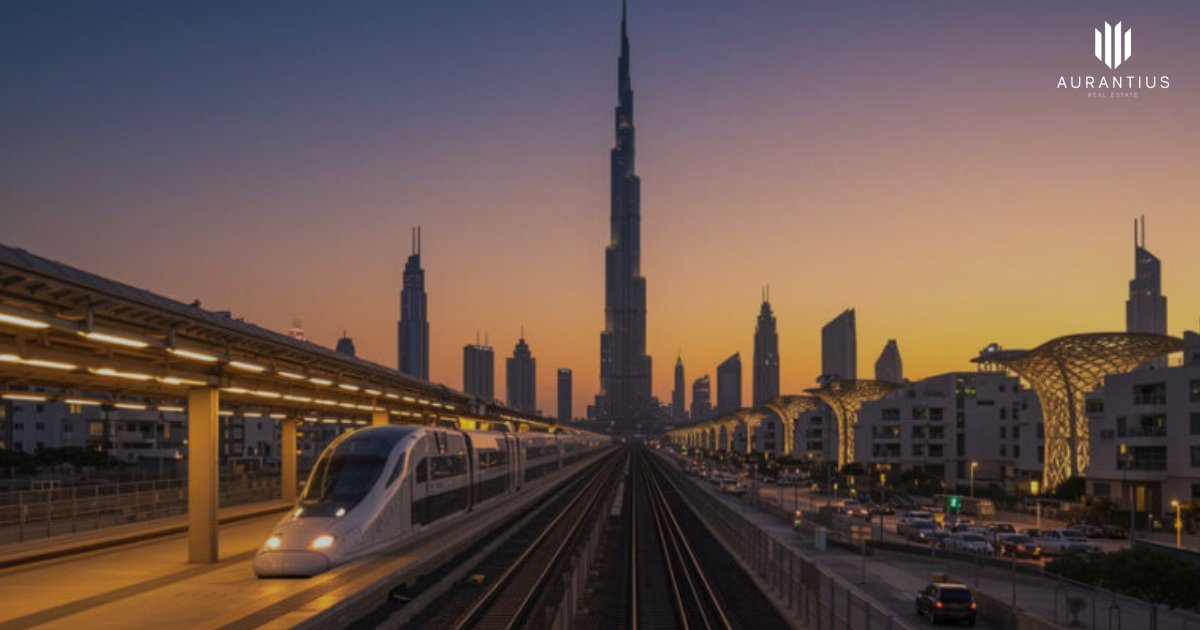
Infrastructure proximity has become one of the strongest filters used by logic-driven buyers. Connectivity to transport upgrades and employment corridors influences both yield stability and resale demand. In practical terms, this supports asset selection in well-connected districts where tenant depth is sustained through access to jobs, retail, and lifestyle amenities.
Areas such as Downtown Dubai remain relevant for investors who prioritise centrality, high tenant demand, and the resilience that comes from landmark-driven footfall. Business Bay continues to function as a core mixed-use zone where connectivity and office adjacency support both leasing activity and end-user demand. These districts are often evaluated through travel-time efficiency, infrastructure upgrades, and the quality of surrounding commercial ecosystems.
Developer Credibility Becomes a Measurable Risk Factor
As buyers become more analytical, developer reputation shifts from a branding preference to a quantifiable risk factor. Track record is being assessed through delivery timelines, build quality, community management, and post-handover performance. This has concentrated demand toward Tier-1 developers, especially in a market environment where new supply is visible and buyers have choices.
Emaar remains closely followed for master-planned communities and flagship districts that tend to maintain liquidity across cycles. Sobha Realty is frequently associated with high-specification delivery and integrated community planning, factors that influence long-term asset positioning. DAMAC continues to attract attention in lifestyle-led developments and branded themes. Nakheel remains central to coastal master planning, while Meraas is often linked to destination-led residential environments. Select Group is widely recognised in high-demand waterfront and central districts where rental absorption tends to be consistent.
End-User Dominance Strengthens “Livable Community” Demand
Logic-based markets tend to be shaped by end users because they buy for utility, not only for capital gains. In Dubai, families and working professionals are increasingly treating ownership as a stability tool, especially as rents rise and mortgage payments become more comparable to leasing costs in many areas. This shift changes how value is defined. Schools, parks, walkability, retail access, and community services become part of the investment thesis because they affect tenant retention and resale demand.
Dubai Hills Estate fits this logic-driven framework as a master-planned environment that attracts long-stay residents and end users seeking community infrastructure and green space. Jumeirah Village Circle remains relevant for investors focused on entry value, strong tenant depth, and transaction liquidity, especially in unit types that match affordability-driven demand. These communities benefit from consistent absorption that supports yields through different phases of the cycle.
Sustainability and Wellness Move from Optional to Underwriting Criteria
Energy efficiency, green building standards, and wellness amenities are increasingly treated as underwriting variables rather than marketing extras. In a competitive market, buildings that reduce operating costs and appeal to long-term residents tend to hold occupancy better and defend pricing more effectively. Investors are paying closer attention to features linked to long-stay desirability, including efficient layouts, quality maintenance, healthy living environments, and community design that supports day-to-day routines.
Selective Luxury Replaces Trophy-Only Buying
The ultra-prime segment remains active, yet buyer behaviour is showing more selectivity. Logic-based luxury focuses on practical performance factors such as unit rarity, view protection, quality of management, and long-term tenant demand. Palm Jumeirah remains a reference point for scarcity-led value because it combines waterfront positioning with limited land supply and strong global demand. Dubai Marina continues to attract investors seeking rental liquidity supported by tourism, lifestyle demand, and a large tenant pool that sustains occupancy across multiple leasing strategies.
Regulatory and Cost Discipline Reinforce Financial Rationality
Logic-driven markets tend to strengthen when transaction processes reduce friction and align incentives. In 2025, greater financial discipline has been reinforced through regulatory requirements that ensure certain fees are paid upfront, supporting more secure transaction execution and reducing the risk of weak buyer commitments. For investors, tighter execution frameworks lower counterparty uncertainty and strengthen confidence in deal completion, especially in high-volume environments.
Aurantius Real Estate supports investors navigating Dubai’s logic-based cycle by focusing on location fundamentals, developer credibility, leasing performance, and transaction discipline. Aurantius helps buyers compare communities, assess downside protection, and select assets aligned with long-term utility, yield visibility, and resale liquidity across Dubai’s evolving market landscape.