
Invest in Ramada Residences Wyndham properties Dubai Islands | 10% ROI Branded Property
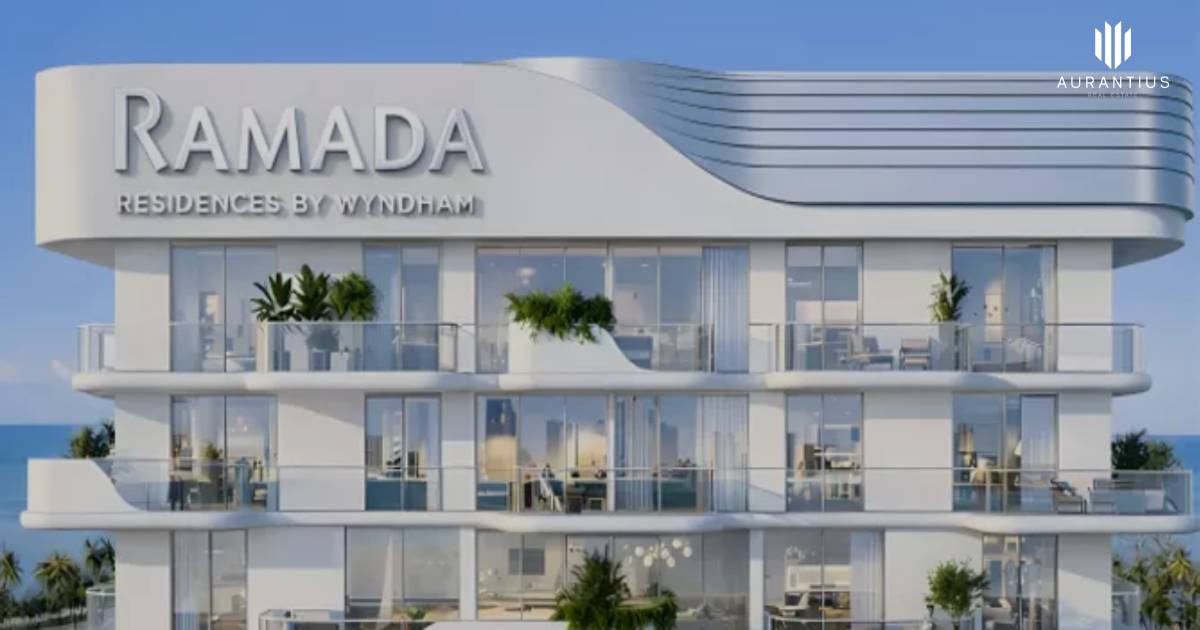
Discover why Ramada Residences by Wyndham at Dubai Islands is a prime investor choice. High short-term rental ROI, 40/60 payment plan, and Q3 2027 handover Dubai’s branded residence market is entering a new phase, and Ramada Residences Dubai Islands is positioned directly within that shift. Developed by Grovy in partnership with Wyndham Hotels & Resorts, the project brings a globally recognised hospitality name into one of Dubai’s most anticipated waterfront master communities. Rather than being marketed only as a residential address, the development is being positioned as a furnished, hospitality-linked, income-oriented off-plan asset for investors seeking exposure to short-stay demand, brand-backed resale appeal, and long-term coastal growth.
The appeal lies in its combination of scarcity, branding, payment flexibility, and location timing. With a boutique inventory described as just 68 residences, a scheduled Q3 2027 handover, and a 40/60-style payment structure referenced in project materials, Ramada Residences by Wyndham offers a very different proposition from mass-market apartment towers. It is designed to sit at the intersection of Dubai Islands branded residences, waterfront real estate, and passive investment strategy.
Why Branded Residences Matter More in Dubai’s 2026 Market
Branded residences have become one of the most important themes in Dubai’s premium property market because they offer something standard residential projects often cannot: instant recognition. A global hospitality brand can improve buyer confidence, support perceived quality, and create stronger market differentiation in competitive waterfront locations. Savills reported that the global branded residences sector continued expanding rapidly through 2025, with Dubai and the wider Gulf remaining central to that growth.
For investors, the importance of branding is not aesthetic alone. A recognised hospitality name can shape how future tenants, holiday guests, and resale buyers perceive the asset. In Dubai, where off-plan launches are frequent, brand equity can help a project stand apart. Readers studying this wider trend can explore how branded residences in Dubai are leading the global market.
Ramada Residences Dubai Islands Is Built Around Scarcity
One of the strongest investor arguments for Ramada Residences Dubai Islands is its boutique scale. Large towers can bring hundreds of competing units into the same rental pool, while a lower-density development may benefit from a stronger scarcity narrative. The project has been presented as a limited collection of 68 fully furnished residences, including apartments and penthouses, which gives it a more exclusive positioning within the Dubai Islands launch pipeline.
Scarcity does not guarantee price appreciation, but it can influence buyer psychology. When a branded waterfront project offers a smaller unit count, furnished delivery, and a globally familiar hospitality label, it can attract a different investor segment than generic off-plan stock. This matters particularly in a market where investors are becoming more selective and asking whether a property has clear resale logic beyond the first launch cycle.
The Wyndham Advantage: Global Brand Recognition and Rental Readiness
Wyndham Hotels & Resorts brings global recognition to the project, and Grovy has positioned the partnership as a step into branded residences with hospitality-led standards. For an investor, this matters because brand perception can influence short-term rental demand, tenant trust, and the asset’s ability to stand out in a tourism-facing waterfront district.
The project is also being marketed as fully furnished and operationally aligned with hospitality-style living. That supports the investor blueprint angle: the buyer is not simply purchasing walls and square footage, but a more packaged rental-ready product. The investment case becomes stronger when an asset can move closer to monetisation after handover without requiring extensive additional furnishing or repositioning costs.
Short-Term Rental Potential: Attractive, but Not Automatic
Ramada Residences Dubai Islands is being positioned around short-term leasing and holiday-home flexibility, which fits the wider tourism and waterfront story of Dubai Islands. Short-stay demand can produce stronger gross income potential than a traditional annual lease in the right circumstances, especially in branded, furnished, leisure-oriented properties. This is why the project is often discussed as a high-yielding passive property concept rather than a standard end-user home.
However, investors should treat any double-digit ROI claim as a projection, not a guaranteed outcome. Actual returns depend on occupancy, nightly rates, seasonality, management fees, service charges, furnishing standards, guest demand, competition, and future short-term rental regulation. A project can be well-positioned for holiday-home income, but the final yield must be assessed through realistic underwriting rather than brochure optimism.
The 40/60 Payment Plan and Why It Appeals to Investors
The Dubai off-plan payment plan structure linked to Ramada Residences is important because it reduces the amount of capital tied up during construction. Project materials describe a 40/60 payment structure, meaning a significant portion of the price is deferred until handover. For investors, that can improve capital efficiency by allowing them to secure exposure to a branded waterfront project while preserving liquidity during the build phase.
This structure may suit investors who want to participate in potential area appreciation before completion, but it also carries responsibility. Buyers must be prepared for the larger handover payment and should avoid relying only on future refinancing or resale assumptions. Payment plans are powerful when matched with liquidity planning. They become risky when investors enter without a clear funding strategy.
Dubai Islands: A Long-Term Waterfront Growth Corridor
Dubai Islands is one of Nakheel’s major waterfront master destinations, spanning five islands and designed in line with Dubai’s 2040 vision for future living, tourism, and urban expansion. The masterplan combines resorts, beaches, cultural zones, leisure infrastructure, and residential development, creating a broader long-term growth story for waterfront real estate beyond the city’s older coastal districts.
This is central to the investor case for Ramada Residences Dubai Islands. The project is not only dependent on its own branding. It is also tied to the future build-out of one of Dubai’s most significant northern waterfront destinations. Investors interested in this broader location story can review Dubai Islands as Dubai’s next great waterfront address and how Dubai Islands is transforming the real estate market.
Why Early Entry Matters in a Masterplan Market
Invest in Dubai waterfront real estate strategies often work best when the investor understands timing. Mature waterfront areas usually carry stronger liquidity and lower execution risk, but they also come with higher entry prices. Emerging waterfront districts can offer a longer capital appreciation runway, but they require more patience and a stronger tolerance for area delivery risk.
Dubai Islands is still developing its full residential, hospitality, and leisure ecosystem. That is exactly why early branded projects attract attention. The value proposition is based on buying into a district before every component is fully operational, while selecting a project with enough individual differentiation to compete when the area becomes more established.
Branded Waterfront Asset vs Traditional Apartment Investment
A standard off-plan apartment may compete primarily on price, floor plan, and developer reputation. Ramada Residences Dubai Islands competes on a different set of factors: branding, furnished delivery, holiday-home positioning, limited inventory, waterfront masterplan exposure, and potential operational convenience. That makes it more suitable for investors seeking a differentiated asset rather than the lowest-cost entry ticket.
This does not automatically make it better than all traditional apartments. A simpler apartment in a high-demand rental area may deliver more predictable annual occupancy and lower management complexity. The branded residence case is stronger for investors who understand they are buying into a premium, tourism-sensitive, higher-concept property model rather than a basic buy-to-let apartment.
Passive Income Appeal and the Importance of Management Quality
The investor blueprint for Ramada Residences depends heavily on management execution. A furnished branded residence only becomes truly passive if its operations are handled professionally, guest experience remains consistent, and owners receive transparent reporting. Hospitality-linked property sounds attractive, but investor outcomes depend on the actual management structure, operating costs, marketing reach, and rental distribution model.
Before purchasing, buyers should ask how income management will work, what fees apply, whether owners can self-use units, how rental rights are structured, and what disclosures are available in official sales documents. The more passive the asset is marketed to be, the more carefully investors should review the contractual details behind that promise.
Why the Project Appeals to Global Buyers
Ramada Residences Dubai Islands may appeal especially to overseas investors who want a Dubai property that is easier to understand and easier to position. A globally familiar brand can reduce hesitation for buyers who are not deeply familiar with every Dubai submarket. Furnished delivery also reduces the operational work required after handover.
For global investors, this matters. They may not want to spend months sourcing furniture, managing fit-out, or learning short-term rental operations from scratch. A branded, furnished, waterfront concept can feel more accessible, particularly when paired with Dubai’s long-term tourism story and the growing appeal of turnkey off-plan assets. Readers assessing similar investor-focused developments can also explore fast-growing off-plan communities in Dubai.
Financing and Liquidity Planning Still Matter
Even with an appealing 40/60-style structure, investors should treat Ramada Residences Dubai Islands as a capital commitment requiring careful planning. The handover instalment is large, and buyers should evaluate whether they intend to pay in cash, sell before completion if permitted, or seek eligible finance closer to delivery. Financing options for off-plan property are evolving in Dubai, but they are not automatic for every buyer or every project.
For investors who want to understand the wider lending context, off-plan home finance in Dubai 2026 offers useful background on how banks are approaching structured project financing and buyer funding options.
Risks Investors Should Review Before Committing
The investment case is strong, but it should be examined honestly. Investors should review construction timelines, handover execution, service charge expectations, rental management terms, ownership rights, use restrictions, holiday-home performance assumptions, and resale demand within Dubai Islands. The branded residence concept can support premium positioning, but it also means expectations are higher and operational delivery must justify the promise.
Investors should also avoid focusing only on projected ROI. They should ask whether the property remains desirable even if short-term rental returns fall below initial expectations. A resilient investment should have more than one exit path: owner use, long-term leasing, short-term rental, or resale into a growing waterfront district.
Conclusion
Ramada Residences Dubai Islands stands out because it combines several high-conviction investor themes in one project: branded real estate, limited boutique inventory, fully furnished delivery, short-stay rental positioning, a flexible off-plan payment structure, and early exposure to Dubai Islands’ long-term waterfront transformation. It is not a guaranteed-return product, and investors should treat ROI projections carefully. But for buyers seeking a differentiated Dubai Islands branded residence with passive-income potential and long-term capital appreciation logic, it is one of the more strategically interesting launches in the 2026 off-plan market.
FAQs
Q: What is Ramada Residences Dubai Islands?
A: It is a branded waterfront residential project by Grovy in partnership with Wyndham Hotels & Resorts, positioned within Dubai Islands and scheduled for Q3 2027 handover.
Q: Is Ramada Residences Dubai Islands suitable for investors?
A: It may suit investors looking for a furnished branded asset with waterfront exposure, short-term rental positioning, and a differentiated off-plan concept, but returns should be evaluated carefully rather than assumed.
Q: What is the payment plan for Ramada Residences Dubai Islands?
A: Project materials describe a 40/60 payment structure, with a larger balance payable at handover, although buyers should verify the latest payment terms directly before reserving a unit.
Q: Can investors expect 10% ROI from Ramada Residences?
A: Double-digit ROI is being discussed as a potential outcome in project marketing, but actual returns will depend on occupancy, nightly rates, management costs, service charges, and market conditions.
Q: Why is Dubai Islands important for long-term property growth?
A: Dubai Islands is a major Nakheel waterfront masterplan aligned with Dubai’s 2040 vision, creating a long-term coastal growth corridor for leisure, tourism, and residential development.
Aurantius Real Estate helps investors assess branded off-plan opportunities in Dubai through project due diligence, location analysis, payment-plan review, and long-term investment strategy.