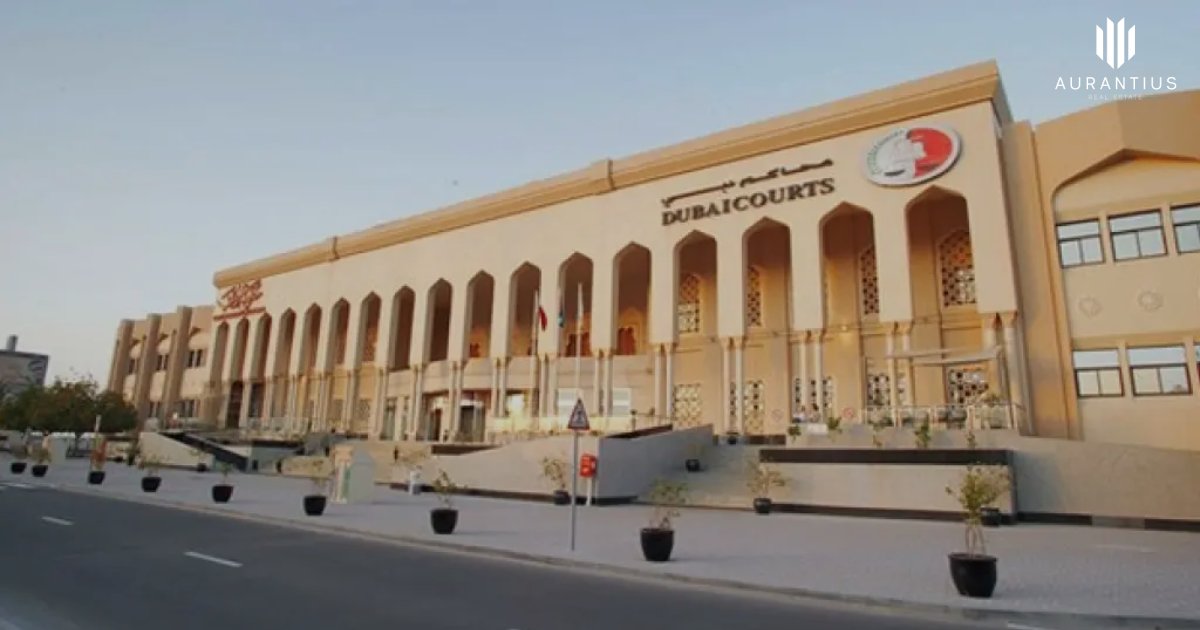

Dubai Court Orders Dh5 Million Compensation in Landmark Real Estate Asset Diversion Case
Dubai’s legal framework governing real estate investments continues to demonstrate strong enforcement standards, as highlighted by a recent ruling from the Dubai Courts of First Instance. In a dispute dating back to 2008, the court ordered multiple defendants to jointly pay Dh5 million in compensation, along with legal interest and court costs, after concluding that deliberate actions were taken to obstruct the recovery of investor funds. The judgment reinforces Dubai’s positioning as a jurisdiction where investor protection and judicial accountability remain central to market confidence.
The case originated from two real estate investment agreements signed in 2008, through which a group of Danish investors participated in property projects via a brokerage firm. The projects failed to deliver the expected returns, leading to prolonged disputes over unpaid capital and income. Court records indicate that settlement discussions followed in subsequent years, culminating in a personal guarantee issued by one of the defendants in 2012. This guarantee was later undermined by asset transfers that the court determined were intended to frustrate enforcement.
Judicial findings revealed that in 2013, the brokerage company entered into a settlement with a project developer, receiving real estate units valued at Dh27 million. These assets were meant to satisfy outstanding claims. In 2014, the same units were transferred to another entity controlled by a related party. The court found no evidence of consideration for the transfer, supporting the conclusion that the transaction was designed to shield assets from creditors, including the original investors.
Such cases underscore the importance of transparency and due diligence across Dubai’s real estate ecosystem. Established investment districts such as Downtown Dubai and Business Bay have benefited from regulatory clarity and consistent enforcement, which underpin investor confidence in high-value transactions. Legal certainty plays a direct role in sustaining liquidity and institutional participation across these core zones.
The investors had previously secured a final commercial judgment in 2019, later upheld by the Court of Cassation in 2021, ordering repayment exceeding Dh25.4 million with annual interest. Despite enforcement proceedings, court documentation showed that only a fraction of the amount was recovered. This shortfall led to the filing of a separate damages claim, focusing on the alleged fraudulent conduct that obstructed asset recovery for more than a decade.
During the proceedings, defendants attempted to challenge the investors’ legal standing and powers of attorney while submitting counterclaims and procedural objections. The court dismissed all such arguments, confirming the validity of the investors’ representation and rejecting attempts to delay or derail the case. The ruling relied heavily on expert analysis, which concluded that coordinated asset transfers directly caused financial harm to the claimants.
The final compensation award of Dh5 million, while lower than the Dh85 million sought, reflects the court’s measured assessment of documented losses and causation. The defendants were held jointly and severally liable, meaning each party bears full responsibility for payment until the judgment is satisfied. The court also ordered 5 percent annual legal interest from the date the ruling becomes final, alongside court costs and legal fees.
From a broader market perspective, this case reinforces the safeguards embedded within Dubai’s property sector. Prime residential and mixed-use communities such as Dubai Marina and Palm Jumeirah continue to attract international investors partly due to the predictability of legal outcomes and the enforceability of contracts. Judicial precedent plays a key role in supporting long-term capital inflows across these locations.
Developer governance also remains a defining factor in risk mitigation. Major developers including Emaar, Nakheel, and DAMAC operate within frameworks that emphasize escrow protections, milestone-based payments, and regulatory oversight. These mechanisms reduce exposure to asset diversion risks and support transaction integrity.
Mid-market and master-planned communities such as Jumeirah Village Circle and Dubai Hills Estate further illustrate how structured development models contribute to investor protection. Developers like Sobha Realty, Meraas, and Select Group continue to attract capital through delivery track records and transparent asset management practices.
The ruling serves as a reminder that while real estate offers long-term value creation, governance, documentation, and enforcement mechanisms remain essential components of investment strategy. Dubai’s courts continue to demonstrate their willingness to address fraudulent conduct and protect investor rights, reinforcing the emirate’s status as a credible global real estate destination.
For investors seeking informed guidance across Dubai’s regulated property landscape, Aurantius Real Estate provides advisory-led support, market intelligence, and access to vetted developments across prime and emerging locations. Through structured analysis and local expertise, Aurantius Real Estate helps investors navigate opportunity while maintaining a disciplined approach to risk and compliance.