
Dubai Islands Parking Fees 2026: New Zone 101G Rules, Charges and Subscriptions
Paid public parking has officially expanded to Dubai Islands, introducing a new cost that residents, visitors, hospitality guests and people working across the emerging waterfront destination now need to factor into their daily travel.
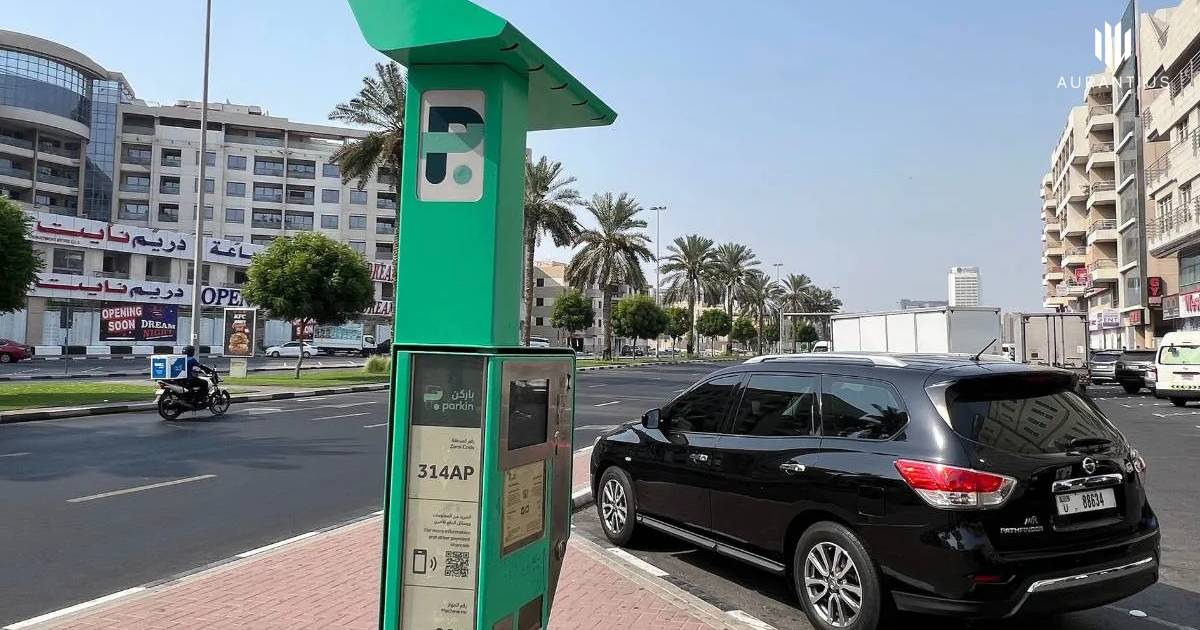
Parkin introduced Zone 101G for designated public parking spaces in Dubai Islands in October 2026. The most important difference from many conventional Dubai parking zones is that the Dubai Islands tariff operates 24 hours a day.
The current hourly charge is AED 4.20 per hour, including 5% VAT. Longer-term users can instead purchase subscriptions priced at AED 900 for three months, AED 1,800 for six months or AED 3,600 for one year.
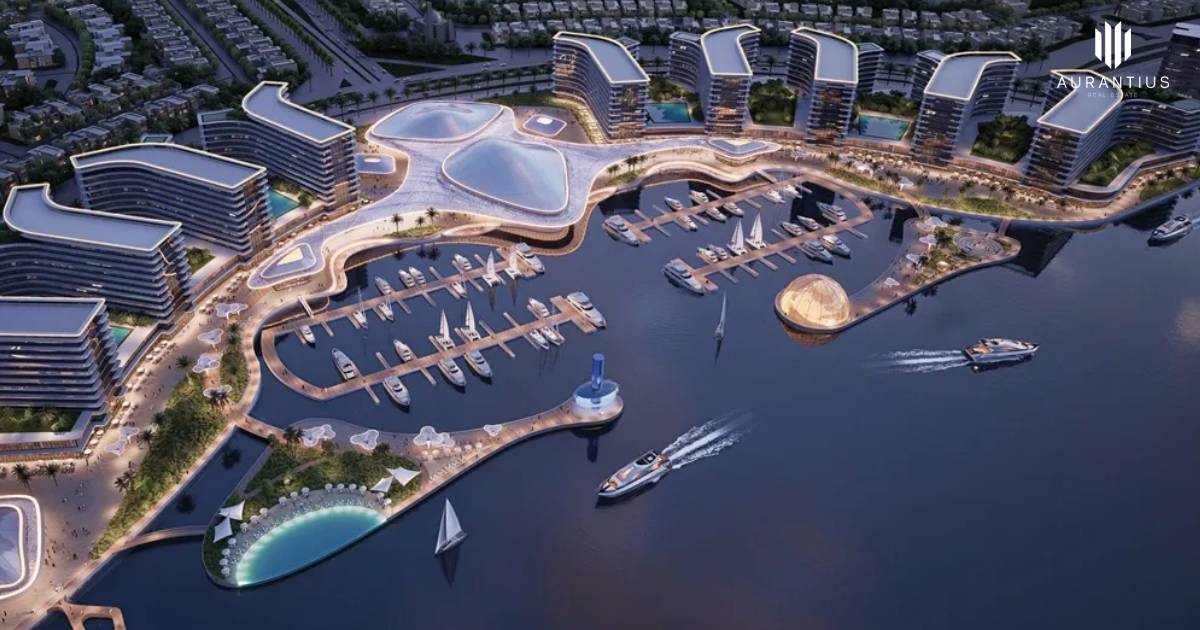
The change is another sign that Dubai Islands is moving from a largely development-stage waterfront masterplan toward a more actively managed residential, tourism and commercial destination.
That transition is already visible in property transactions, residential construction, new beaches, utilities and supporting infrastructure. Aurantius’ Dubai Islands Property Prices 2026 analysis explains how this wider infrastructure-delivery cycle is influencing the investment story around the destination.
Dubai Islands Zone 101G — Quick Facts
Parking operator: Parkin
Zone code: 101G
Operating hours: 24 hours a day
Operating days: 7 days a week under the published Dubai Islands arrangement
Hourly charge: AED 4.20 including VAT
3-month subscription: AED 900
6-month subscription: AED 1,800
12-month subscription: AED 3,600
How Much Does Parking Cost in Dubai Islands?
The published hourly tariff for designated Zone 101G public spaces is AED 4.20.
| Parking Duration | Indicative Cost |
|---|---|
| 1 Hour | AED 4.20 |
| 2 Hours | AED 8.40 |
| 4 Hours | AED 16.80 |
| 8 Hours | AED 33.60 |
| 10 Hours | AED 42.00 |
These examples simply multiply the current AED 4.20 hourly tariff. Motorists should still check the sign beside their actual parking space because Dubai Islands includes public areas as well as developer, hotel, resort and other potentially privately managed parking facilities.
Dubai Islands Parking Is Charged 24 Hours a Day
This is the rule most likely to catch motorists who are accustomed to Dubai’s more conventional public-parking timetable.
Zone 101G is currently described as operating around the clock. Therefore, motorists should not automatically assume the normal free overnight period that may apply in other Dubai public-parking areas also applies to Dubai Islands.
Likewise, current reporting on the newly introduced zone describes continuous operation rather than a Sunday exemption.
The safest approach is to check the local 101G sign or Parkin app before leaving a vehicle, particularly overnight.
Dubai Islands Parking Subscription Prices
Frequent users do not necessarily need to pay by the hour every day.
Parkin has introduced three longer-term subscription options for the Dubai Islands zone.
| Subscription Period | Cost Including VAT | Monthly Equivalent |
|---|---|---|
| 3 Months | AED 900 | AED 300/month |
| 6 Months | AED 1,800 | AED 300/month |
| 12 Months | AED 3,600 | AED 300/month |
All three subscription lengths currently work out to approximately AED 300 per month.
When Does a Subscription Become Cheaper Than Hourly Parking?
At AED 4.20 per hour, a AED 300 monthly-equivalent subscription becomes cheaper once a driver regularly uses more than approximately 71 hours of paid parking per month.
For someone parking for eight hours on 22 working days in a month, hourly parking would theoretically total around AED 739.20 per month.
Against a AED 300 monthly-equivalent subscription, the difference can become substantial for regular office workers or frequent visitors.
| Typical Use | Approx. Monthly Hourly Cost | Likely Better Option |
|---|---|---|
| 20 hours/month | AED 84 | Hourly |
| 50 hours/month | AED 210 | Hourly |
| 75 hours/month | AED 315 | Subscription begins to make financial sense |
| 176 hours/month | AED 739.20 | Subscription potentially much cheaper |
This comparison assumes the subscription is valid for the spaces the motorist uses. A subscription should not be confused with a permanently reserved bay, and availability can still depend on open spaces within the covered zone.
Do Dubai Islands Residents Get Free Parking?
Parkin operates digital resident-permit services in Dubai and its current platform includes free permits for qualifying residents in designated high-density areas and other eligible groups.
However, motorists should not assume that simply owning or renting a property somewhere within the wider Dubai Islands masterplan automatically creates a free Zone 101G entitlement.
Dubai Islands includes multiple residential developments, hotels, resorts, public parking areas and potentially privately managed plots. Permit eligibility can therefore depend on the building, property parking provision, registered vehicle and the specific Parkin scheme applicable to that location.
Residents should check the Parkin app or website for their exact unit and vehicle before assuming the hourly charge applies or that a free permit is available.
How Do You Pay for Zone 101G Parking?
Parkin directs motorists to its digital channels and the signboards installed at the parking location for current payment instructions.
Parkin app: Check the zone, active tariff and available payment options.
Local parking signs: Confirm that the bay is actually within Zone 101G.
Subscription service: Frequent users can purchase the applicable longer-term parking package.
Other Parkin payment channels: Use only the channels currently displayed by Parkin or on the local sign for Zone 101G.
This last point matters because a payment method available elsewhere in Dubai should not automatically be assumed to operate identically in every newly introduced zone.
Zone 101G Does Not Necessarily Cover Every Parking Space on Dubai Islands
Dubai Islands is a large five-island master development containing public areas, hospitality destinations, residential developments and future mixed-use districts.
The 101G announcement concerns designated Parkin-managed public parking spaces.
A hotel basement, residential building car park, valet area, beach club or privately managed plot may have a different parking arrangement.
Motorists should therefore check the sign immediately beside the bay rather than using “Dubai Islands” alone as the parking location.
How Does Dubai Islands Compare With Warsan Industrial?
Parkin introduced paid parking in Warsan Industrial at roughly the same time, but the two systems are structured differently.
| Rule | Dubai Islands | Warsan Industrial |
|---|---|---|
| Zone Code | 101G | 622T |
| Hourly Rate | AED 4.20 | AED 4.20 |
| Paid Hours | 24 hours | 8:00am–10:00pm |
| Sunday | Published as continuous 24/7 charging | Free under the announced arrangement |
| 1-Month Subscription | Not listed | AED 580 |
| 3 Months | AED 900 | AED 1,385 |
| 6 Months | AED 1,800 | AED 2,080 |
| 12 Months | AED 3,600 | AED 3,460 |
The difference reflects the very different functions of the two areas. Warsan Industrial is predominantly a commercial and logistics environment, while Dubai Islands is developing around residential, beachfront, hospitality and tourism activity that can continue late into the evening and overnight.
What Does Paid Parking Mean for Dubai Islands Property Owners?
Paid public parking is not automatically positive or negative for property values.
From a resident’s perspective, it creates a new cost for additional vehicles or visitors where free public bays were previously relied upon.
From a destination-management perspective, paid parking can discourage long-term occupation of public spaces and increase turnover near beaches, restaurants, hotels and commercial destinations.
| Potential Impact | Property Perspective |
|---|---|
| Better parking turnover | Can improve availability around busy public destinations |
| 24-hour charging | Creates a cost for overnight users relying on public bays |
| Subscriptions | Can reduce the cost for frequent users |
| Building parking allocation | Becomes more important when comparing apartments or investment units |
| Visitor accessibility | Adequate public parking remains important for retail and hospitality activity |
Parking Allocation Now Matters More When Buying on Dubai Islands
The new public-parking tariff makes a property’s private parking allocation slightly more relevant to due diligence.
A one-bedroom apartment with one allocated space may be sufficient for many residents. Larger family apartments and properties targeting households with two or more cars require closer attention to additional-parking arrangements.
Likewise, investors evaluating short-term rental or holiday-home demand should consider how easily guests can park and whether the building provides visitor parking rather than assuming public spaces will remain free.
This matters because Dubai Islands is moving through a major development cycle. Aurantius’ Bay Grove Residences construction update shows how hundreds of new waterfront homes are already progressing alongside the wider island infrastructure programme.
Parking Is One Part of a Much Larger Infrastructure Build-Out
Paid parking should not be analysed in isolation from the broader Dubai Islands transformation.
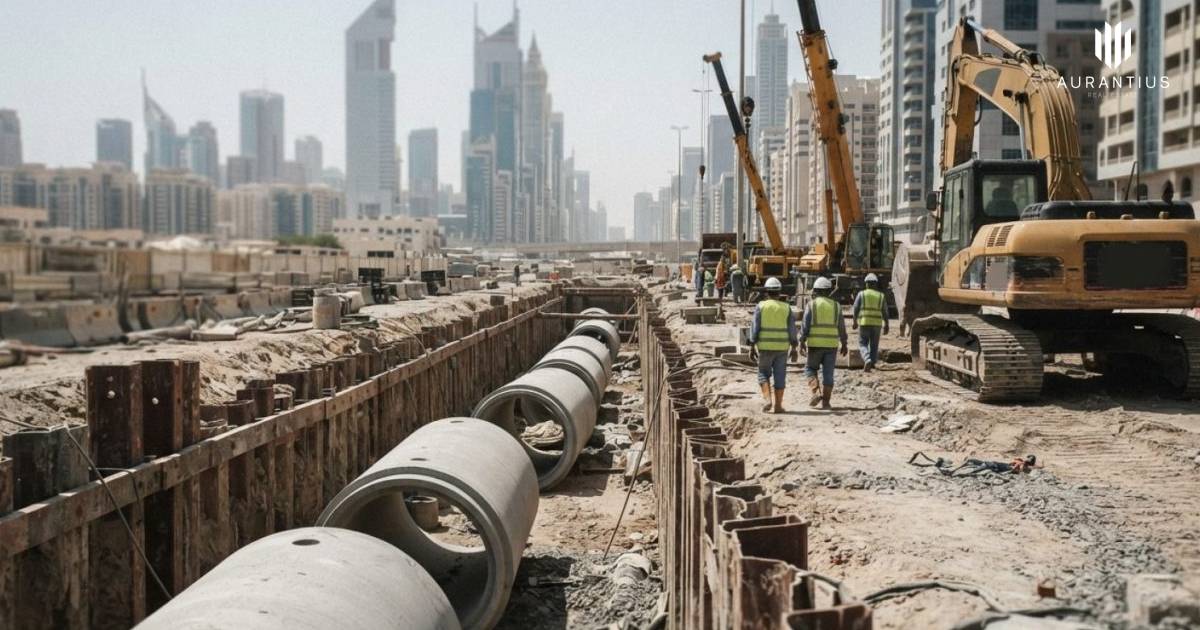
Infrastructure packages are already covering roads, water networks, electricity, telecommunications, drainage, sewerage and community connectivity.
Aurantius previously covered the Nakheel infrastructure programme supporting Bay Villas on Dubai Islands, where access roads and utility systems form an essential part of the area’s transition into a functioning residential district.
The coastline is also being upgraded. The Dubai Islands 3km Beach Upgrade 2027 includes new beachfront, breakwaters and coastal works around Island B.
Viewed together, roads, parking, beaches, utilities and active residential construction are evidence that Dubai Islands is gradually moving from future masterplan to operating destination.
What Drivers Should Check Before Parking
1. Confirm that the bay is actually marked Zone 101G.
2. Check the tariff displayed on the installed sign.
3. Do not assume parking is free because it is overnight or Sunday.
4. Use the Parkin app to confirm current payment and subscription options.
5. If you live on Dubai Islands, check whether your building or vehicle qualifies for a resident permit.
6. Do not assume a subscription gives you a permanently reserved space.
7. Check separately for hotel, resort, valet or private-development parking.
8. Recheck current Parkin information if you have not visited the area recently, as parking coverage can expand as the destination develops.
FAQ: Dubai Islands Parking 2026
Question: What is the Dubai Islands parking code?
Answer: Parkin-managed public parking spaces introduced in Dubai Islands use zone code 101G. Drivers should still confirm the code on the sign beside their specific parking bay.
Question: How much is parking at Dubai Islands?
Answer: The currently published Zone 101G hourly rate is AED 4.20, including VAT.
Question: What are the paid parking hours on Dubai Islands?
Answer: The new Zone 101G arrangement is reported as operating 24 hours a day.
Question: Is parking free on Sunday in Dubai Islands?
Answer: Current information describes Dubai Islands Zone 101G as operating continuously 24/7, unlike Warsan Industrial’s newly introduced zone where Sunday is exempt. Drivers should check the current sign or Parkin app before relying on a free period.
Question: How much is an annual Dubai Islands parking subscription?
Answer: The current annual subscription is AED 3,600 including VAT. Three-month and six-month subscriptions cost AED 900 and AED 1,800 respectively.
Question: Does a parking subscription reserve a specific bay?
Answer: A normal parking subscription should not be treated as a dedicated reserved parking bay. Motorists should review the exact subscription terms and eligible locations in the Parkin system.
Question: Is every parking space on Dubai Islands part of Zone 101G?
Answer: No assumption should be made that every space follows the same system. Zone 101G applies to designated Parkin-managed public parking areas. Private buildings, hotels, resorts and other facilities may operate separate parking arrangements.
Question: Does paid parking make Dubai Islands a worse property investment?
Answer: Not necessarily. Paid parking adds a cost for some users but can also improve turnover and destination management. Property performance depends far more on entry price, location, waterfront position, building quality, infrastructure delivery, supply and future residential and tourism demand.
Conclusion: Zone 101G Shows Dubai Islands Is Becoming an Operating Destination
Dubai Islands’ new parking system is a relatively small infrastructure change when compared with the billions of dirhams being invested in residential construction, roads, utilities and waterfront development across the islands.
But it is still an important operational milestone.
Zone 101G introduces AED 4.20 hourly parking across designated public spaces, operates around the clock and gives frequent users the option of three-, six- or 12-month subscriptions.
For occasional beach, restaurant or leisure visitors, hourly payment may remain the simplest option. For people parking more than roughly 71 hours a month in eligible spaces, the AED 300 monthly-equivalent subscription begins to become financially more attractive.
For residents and property buyers, the bigger lesson is to pay closer attention to private parking allocation. As Dubai Islands becomes busier and public parking becomes professionally managed, an extra allocated building parking space can have greater practical value than it did when large areas of the destination remained undeveloped.
The change also fits the wider Dubai Islands development story: infrastructure, residential projects, beaches and destination-management systems are increasingly becoming operational rather than remaining future masterplan promises.
Driver and property-buyer takeaway: For parking, always check the exact 101G sign or Parkin app before leaving your vehicle. For property purchases, verify how many private spaces come with the unit, whether visitor parking exists and what additional-car arrangements are available rather than assuming nearby public parking will remain free.