
Dubai Metro Blue Line Property Prices: The Data Driving 2026 Investment Decisions
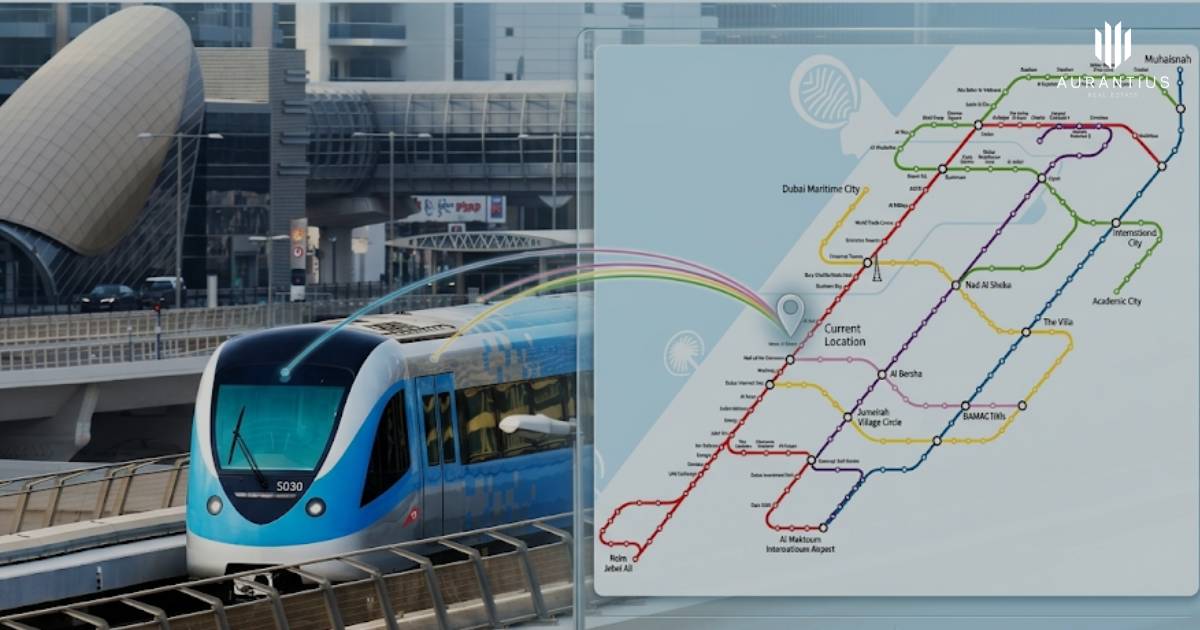
While the general market is focused on headline rent increases following the Dubai Metro Blue Line announcement, a deeper analysis reveals a more complex shift in Dubai real estate investment 2026 dynamics. The Blue Line metro impact is not limited to connectivity; it is reshaping demand patterns, leasing speed, and pricing behavior at a micro-market level. From sharp rental increases in Academic City to structural value shifts in Dubai Silicon Oasis, investors who understand these underlying metrics are positioning themselves ahead of the broader market.
The Blue Line Effect on Dubai Property Prices
The impact of the Dubai Metro Blue Line on property prices is already visible across multiple connected districts. Since the project’s announcement, rents in key areas have increased by approximately 23%, with further growth projected as the line approaches completion. More importantly, properties located near metro stations historically outperform the wider market by over 20%, highlighting the long-term value of transit-oriented investments. This trend reinforces the importance of location-specific analysis rather than relying solely on city-wide averages.
Academic City and the Rental Surge Micro-Trend
One of the most striking examples of the Blue Line metro’s impact is the surge in Academic City rents. Studio apartments have recorded increases of up to 43%, driven by demand from students and young professionals. This reflects a broader shift toward smaller units in well-connected areas, where affordability and accessibility drive occupancy rates. For investors targeting Dubai property rental yields in 2029, such micro-trends highlight the importance of unit type selection alongside location.
Dubai Silicon Oasis Property Trends and Growth Potential
Dubai Silicon Oasis property trends illustrate how infrastructure can transform a community into a high-demand investment hub. With price increases ranging between 50% and 80% in recent periods, DSO is transitioning from a secondary market to a core investment zone. Its appeal lies in relatively lower entry prices combined with strong rental demand, making it one of the most attractive areas for investors seeking both yield and appreciation. Insights from fast-growing off-plan communities further emphasize how infrastructure-led growth is shaping future hotspots.
Metro Station Proximity Premium and the 10-Minute Rule
The concept of the metro station proximity premium is central to understanding the Blue Line’s impact. Properties within a 10-minute walk of a station can command significantly higher prices and rental demand, with some cases showing up to 40% value differences compared to less accessible units. This “last mile” advantage improves tenant convenience and reduces vacancy risk, making such assets more resilient during market fluctuations. For investors, this highlights the need to analyze exact project positioning rather than relying on broader area trends.
Dubai Creek Harbour Capital Appreciation and Premium Growth
Dubai Creek Harbour capital appreciation is another key component of the Blue Line narrative. The area has already experienced notable price growth as it positions itself as a premium waterfront alternative to central Dubai districts. With the addition of major infrastructure, including a landmark metro station, the area is expected to continue attracting both end-users and investors. Detailed forecasts in Dubai capital appreciation analysis suggest that such developments will play a significant role in long-term value creation.
The Construction Trigger and Timing Strategy
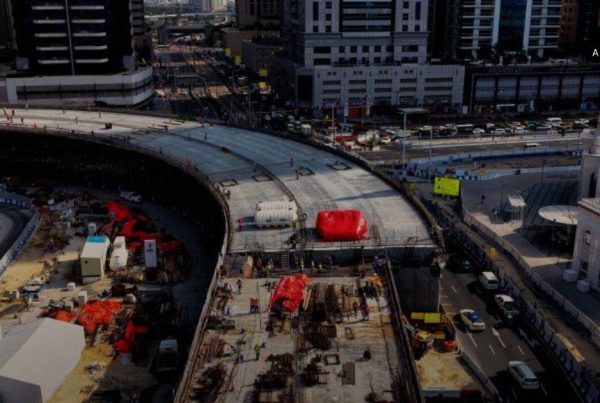
One of the lesser-discussed factors influencing Dubai Metro Blue Line property prices is the “construction trigger.” Historical data indicates that once infrastructure projects reach approximately 30% completion, a second wave of price appreciation begins as buyer confidence increases. This creates a strategic window for investors between 2026 and 2027, where a significant portion of total gains can be captured before project completion. Understanding this timing dynamic is essential for those aiming to maximize returns rather than entering the market at peak pricing.
Investor Behavior and Early Entry Advantage
The Blue Line metro impact is also influencing investor behavior, with early movers targeting high-potential areas before full market recognition. Data suggests that 60% to 70% of total appreciation typically occurs before the infrastructure becomes operational. This reinforces the importance of proactive decision-making, as waiting until completion often means entering at a premium. Strategic perspectives from Dubai investment confidence analysis highlight how early positioning can significantly enhance long-term returns.
Risk Factors and Yield Compression Considerations
While the outlook for Blue Line-connected areas is strong, investors should also consider potential risks. As property values rise, rental yields may compress, particularly in premium locations where capital appreciation outpaces rental growth. Additionally, increased supply in certain districts could create short-term competition. A balanced approach involves evaluating both yield potential and long-term appreciation, ensuring that investments remain aligned with overall portfolio objectives. Broader market insights in the Dubai investment strategy guide emphasize the importance of diversification and disciplined analysis.
Conclusion
Dubai Metro Blue Line property prices are being shaped by a combination of infrastructure development, micro-market dynamics, and investor behavior. While headline figures highlight overall growth, the real opportunities lie in understanding the underlying data that drives demand and pricing at a granular level. Investors who act within the current window and focus on strategic locations near key stations are more likely to capture the full benefits of the Blue Line effect before it is fully priced into the market.
FAQs
Q: How is the Dubai Metro Blue Line affecting property prices?
A: It is driving price and rent increases, particularly in areas close to planned stations, due to improved connectivity.
Q: Which areas are benefiting the most from the Blue Line?
A: Academic City, Dubai Silicon Oasis, and Dubai Creek Harbour are among the key beneficiaries.
Q: What is the metro proximity premium?
A: Properties within walking distance of metro stations often command higher prices and rental demand.
Q: When is the best time to invest near the Blue Line?
A: The period before completion, particularly between 2026 and 2027, is considered optimal for capturing early appreciation.
Q: Are there risks associated with investing in these areas?
A: Yes, potential risks include yield compression and increased supply, which may impact returns.
Aurantius Real Estate helps investors identify data-driven opportunities across Dubai’s most promising infrastructure-led growth corridors.