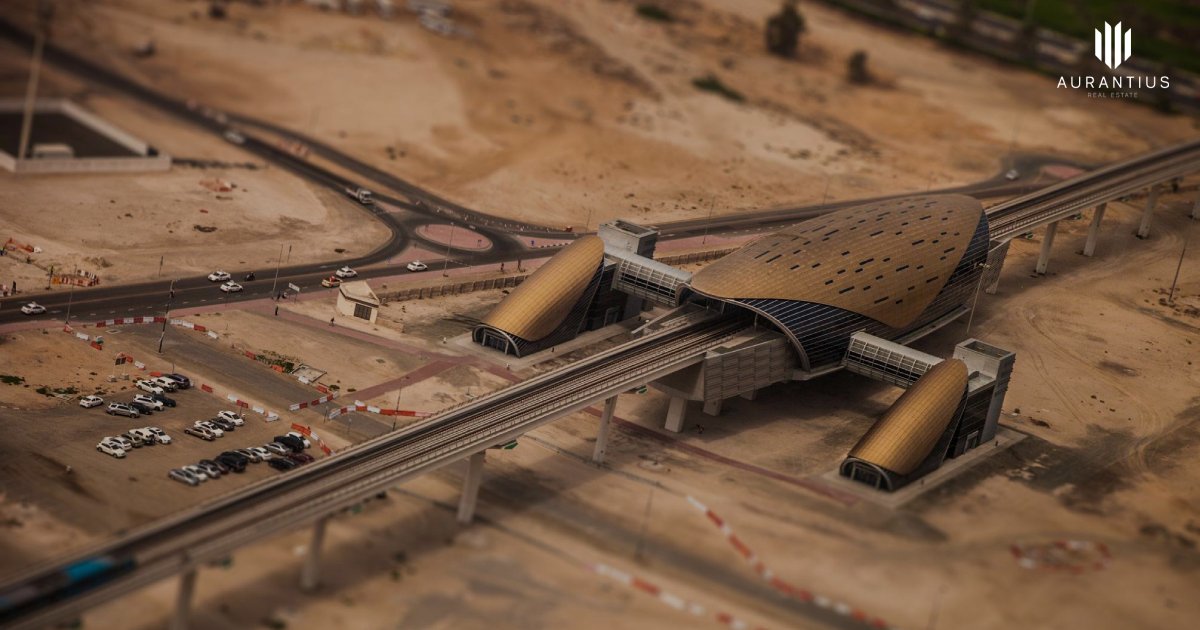

Dubai New 30km Metro Blue Line to Launch in 2029: What It Means for Connectivity, Property, and Growth
Dubai’s new Metro Blue Line is a major city-shaping project. By 2029, it will fundamentally improve east–west connectivity, unlock new real estate value zones, and reinforce Dubai’s long-term shift toward sustainable, transit-oriented urban growth.
Why it matters: Every major Dubai Metro expansion has historically triggered rental premiums, capital appreciation, and large-scale redevelopment. The Blue Line is positioned to do the same — especially in eastern and mid-market districts.
What Is the Dubai Metro Blue Line?
The has officially unveiled the Metro Blue Line — a 30-kilometre mass transit corridor scheduled to open to the public in 2029.
The line is designed to strengthen east–west connectivity across Dubai, linking older districts with emerging residential, academic, and industrial zones.
Key project facts:
- Total length: 30 km
- Stations: 14 (7 elevated, 5 underground, 2 interchange)
- Daily ridership (initial): 200,000 passengers
- Projected ridership by 2040: 320,000+
- Completion target: 2029
Route, Stations, and Network Integration
The Blue Line will start at International City 1 and terminate at Al Jaddaf, forming a critical connector between residential communities, employment hubs, and logistics zones.
Major interchange stations:
- Centrepoint Station – Interchange with the Red Line
- Creek Station – Interchange with the Green Line
Approximately 15.5 km of the route will run underground, with tunnels reaching depths of up to 70 metres — among the deepest in the Dubai Metro network. The remaining 14.5 km will be elevated.
This configuration allows the line to pass efficiently through dense industrial and residential zones while minimising surface disruption.
Urban Impact: Why the Blue Line Matters for Real Estate
The Blue Line intersects several areas already earmarked for regeneration and densification, including:
- Dubai Silicon Oasis
- Academic City
- Ras Al Khor Industrial Area
- International City
- Al Jaddaf
Historically, proximity to Dubai Metro stations has delivered:
- 10–20% rental premiums
- Up to 30% higher sales prices versus non-metro areas
Affordable districts such as International City and Silicon Oasis are expected to see gentrification, mixed-use redevelopment, and stronger investor interest as mobility improves.
Developers have already begun land banking and master-planning near future stations, particularly around planned logistics hubs and the Urban Tech District near Dubai Creek.
Economic, Sustainability, and Infrastructure Alignment
The Metro Blue Line directly supports the Dubai Urban Master Plan 2040, which targets:
- Compact, transit-oriented city growth
- 55% public transport mode share by 2040
- Reduced car dependency
From a sustainability standpoint, the project is expected to:
- Cut annual carbon emissions by over 240,000 tonnes
- Support the UAE’s Net Zero 2050 agenda
- Reduce congestion on Sheikh Mohammed bin Zayed Road and Al Khail Road
The line will also integrate with last-mile mobility systems such as:
- Autonomous shuttle services
- Pedestrian-first corridors
- E-scooter and micromobility networks
Timeline, Cost, and Risk Outlook
Project timeline:
- Preliminary design: Completed early 2024
- Early works: Began in 2024
- Major tunnelling: Expected mid-2026
- Operational launch: 2029
The estimated cost per kilometre is AED 700–800 million, consistent with global benchmarks for metro systems in dense urban environments.
Key risks:
- Utility relocation challenges
- Tunnelling complexity in industrial zones
- Inflation in construction and labour costs
However, the RTA has emphasised phased execution and risk mitigation, with EPC contracts expected to be awarded progressively.
Bottom Line: Why the Blue Line Is a Big Deal
The Dubai Metro Blue Line is not just a transport project — it is a city rebalancing tool.
By connecting underdeveloped eastern districts with Dubai’s core, it will reshape commuting patterns, unlock new real estate cycles, and reinforce Dubai’s long-term urban competitiveness.
Proactive insight: Investors and end-users who position themselves early near future Blue Line stations typically benefit long before trains begin running.