
From Residency Visas to Returns: Why Luxury Apartments Are Powering Dubai’s Real Estate Expansion
Luxury Apartments Emerge as the Core Growth Engine
Dubai’s luxury apartment segment has become a central driver of the emirate’s real estate momentum. The market shift reflects structural changes in investor behaviour, regulatory clarity, and the growing preference for high-quality, centrally located assets. Luxury apartments now serve both as income-producing investments and as long-term lifestyle holdings for global buyers allocating capital to Dubai.
Global Capital Targets Apartment-Led Urban Living
High-net-worth individuals increasingly favour luxury apartments over standalone villas due to location efficiency, asset liquidity, and managed living environments. Prime apartment developments offer waterfront access, skyline views, and proximity to commercial centres. These attributes align with global investment preferences focused on accessibility, operational efficiency, and resale depth.
Residency Visas Reinforce Long-Term Ownership
Investor-friendly residency frameworks have reshaped Dubai’s ownership profile. Property-linked residency pathways encourage buyers to transition from short-term investment cycles toward long-term holding strategies. This structural shift has elevated demand for completed, high-quality apartments in established and master-planned communities.
The Golden Visa as a Demand Catalyst
The 10-year Golden Visa remains a key incentive for luxury apartment investors. Property ownership valued at AED 2 million or above qualifies buyers and their families for long-term residency. This framework integrates investment decisions with lifestyle planning, education access, and business continuity. Developers have aligned new launches with these thresholds, reinforcing demand concentration in premium apartment projects.
Rental Yields and Capital Preservation
Dubai’s luxury apartments continue to deliver competitive rental yields relative to global peer cities. Absence of annual property tax and capital gains tax supports net return optimisation. Price resilience in prime districts reflects sustained tenant demand, limited supply in premium zones, and disciplined project launches.
Developer Quality Shapes Investor Confidence
Developer reputation functions as a primary risk filter in Dubai’s luxury market. Established developers deliver consistency in build quality, amenities, and post-handover management. Developers such as Emaar, Sobha Realty, DAMAC, Nakheel, Meraas, and Select Group continue to anchor buyer confidence across luxury apartment offerings.
Dubai Marina as a Rental Performance Benchmark
Dubai Marina remains one of the most liquid luxury apartment markets in the region. Waterfront positioning, tourism demand, and professional tenant profiles sustain high occupancy levels. The district continues to attract investors focused on predictable income streams and global tenant appeal.
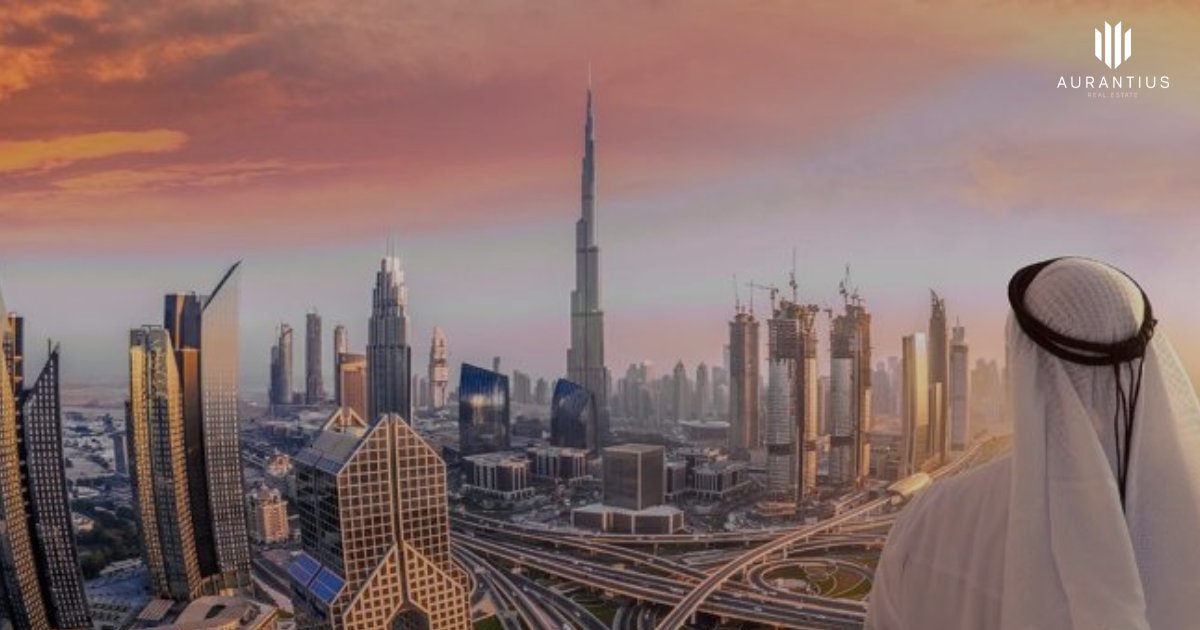
Downtown Dubai and Urban Prestige
Downtown Dubai represents the intersection of prestige, performance, and infrastructure. Proximity to landmark assets and commercial districts supports strong rental pricing. Luxury apartments in this area serve both executive tenants and long-term investors prioritising brand value and centrality.
Business Bay and Mixed-Use Demand
Business Bay continues to evolve as a mixed-use hub where residential, hospitality, and office demand converge. Luxury apartments benefit from proximity to financial centres and flexible tenant demand. The area supports diversified investment strategies across yield and capital appreciation.
Palm Jumeirah and Scarcity-Driven Pricing
Palm Jumeirah anchors Dubai’s ultra-prime apartment segment. Limited supply, global recognition, and waterfront exclusivity support long-term value preservation. Luxury apartments on the Palm function as trophy assets within global real estate portfolios.
Jumeirah Village Circle and Accessibility
Jumeirah Village Circle attracts investors seeking luxury specifications at more accessible price points. The area benefits from sustained rental absorption, improving infrastructure, and growing end-user demand. Apartments in JVC provide flexibility for investors balancing yield and entry cost.
Dubai Hills Estate and Master-Planned Stability
Dubai Hills Estate offers a master-planned environment combining residential, retail, and green spaces. Luxury apartments in the community appeal to families and professionals prioritising long-term residency, education access, and lifestyle integration.
Lifestyle Amenities as Value Drivers
Modern luxury apartments incorporate smart-home systems, wellness facilities, concierge services, and sustainability features. These attributes enhance tenant retention and resale competitiveness. Amenities function as measurable contributors to asset performance rather than cosmetic enhancements.
International Buyers and Currency Stability
Dubai’s dollar-pegged currency and transparent ownership framework continue to attract international buyers. The absence of recurring property taxes enhances capital efficiency. Cross-border investors view Dubai luxury apartments as a hedge against geopolitical and currency volatility.
Luxury Apartments as Long-Term Allocations
Investor behaviour indicates a shift toward strategic allocation rather than speculative trading. Luxury apartments serve as core holdings within diversified portfolios, supported by residency eligibility, rental income, and regulatory clarity.
Aurantius Real Estate Perspective
Luxury apartment investment in Dubai requires location intelligence, developer assessment, and regulatory alignment. Aurantius Real Estate supports investors with advisory-led insights across Dubai’s prime residential markets, aligning residency objectives with long-term capital strategy. Through data-driven analysis and market expertise, Aurantius Real Estate helps investors navigate opportunities defined by stability, performance, and global demand.