


How to Buy Property in Dubai in 2026: A Structured, Digital-First Guide for Foreign Buyers and Residents
Buying property in Dubai in 2026 remains a structured process supported by digital systems and regulated transaction steps. It is open to all nationalities, with foreign buyers able to purchase in designated freehold zones without requiring UAE residency. Many investors are attracted by a low tax-drag environment and clear ownership frameworks, yet successful purchases depend on following the correct verification and transfer steps, budgeting accurately for fees, and selecting an asset that fits a realistic rental and exit strategy.
Dubai’s market in 2026 is also more segmented than in earlier cycles. That means the buying process should not only focus on legal steps. It should also include a strategy layer: whether you are buying for end use, long-term leasing, short-term rental income, or capital preservation. Locations such as Dubai Marina and Downtown Dubai often attract lifestyle and premium demand. Areas such as Jumeirah Village Circle can appeal to yield-driven investors. Family-oriented master plans such as Dubai Hills Estate are often evaluated for long-duration residency demand. Business-linked inventory in Business Bay is frequently evaluated through corporate tenant depth and liquidity.
Any price examples in this guide are illustrative and can change with market conditions, unit quality, building management, seller motivation, mortgage availability, and live supply-demand balance. Prices are not fixed and should be confirmed through current listings, broker verification, and comparable transaction data at the time of purchase.
Total Acquisition Cost (Example Budget: AED 1,000,000)
| Expense Category | Percentage / Amount | Estimated Cost (AED) |
|---|---|---|
| Property Price | Base Cost | 1,000,000 |
| DLD Transfer Fee | 4% of Property Value | 40,000 |
| DLD Admin Fee | Fixed | 580 |
| Agency Commission | 2% + 5% VAT | 21,000 |
| Trustee Office Fee | Fixed (>AED 500k) | 4,200 |
| Oqood Registration | Developer Fee | 1,000 – 5,000 |
| Total Cash Required | ~7% on top of Price | ~AED 1,070,000 |
Developer Payment Plan Comparison
| Developer | Signature Plan | Key Feature |
|---|---|---|
| Danube | 1% Monthly | Lowest entry; spread over 60–72 months. |
| DAMAC | 70/30 or PHPP | Offers Post-Handover Payment Plans (2–4 years). |
| Emaar | 80/20 or 90/10 | Strictly construction-linked; stable and reliable. |
| Sobha | 60/40 or 80/20 | High-end quality; completion-weighted payments. |
| Nakheel | 50/50 | Often used for large community master-plans. |
| Azizi | 40/60 | Higher balance due at handover or post-handover. |
Disclaimer: The figures and payment structures shown above are estimates for illustrative purposes only.
Actual costs, fees, and developer payment plans may vary depending on the project, developer policies,
Dubai Land Department regulations and market conditions. Buyers should verify all financial details with
their real estate advisor, developer, or legal professional before making any investment decisions.
Core Buying Requirements in 2026
Eligibility is straightforward. Buyers aged 21 and above can purchase property in Dubai’s freehold zones. Ownership is typically registered under the buyer’s name or a company structure, depending on strategy and legal advice. Foreign buyers can buy without a residency visa. Residents usually provide additional identity documentation linked to their residency status.
Documentation requirements are usually light for cash purchases. Individual non-resident buyers generally need a valid passport. UAE residents commonly provide passport, Emirates ID, and visa copy. Banks and mortgage providers may request additional documentation such as proof of income, bank statements, and credit history for financing.
Entry price bands vary widely by location and unit type. Some market summaries cite entry-level apartments in high-yield corridors starting in the mid six-figure AED range. This is not a fixed threshold and shifts with inventory, building age, and unit condition. Investors should treat entry prices as directional only and verify current supply with live market comparisons.
Residency incentives are often part of the investment decision. A commonly referenced pathway is a two-year property-linked visa tied to a minimum property value band. A longer-term pathway is the ten-year Golden Visa for qualifying property investments. These thresholds can be updated by policy and implementation rules, so buyers should validate eligibility and documentation requirements through official channels and licensed advisors.
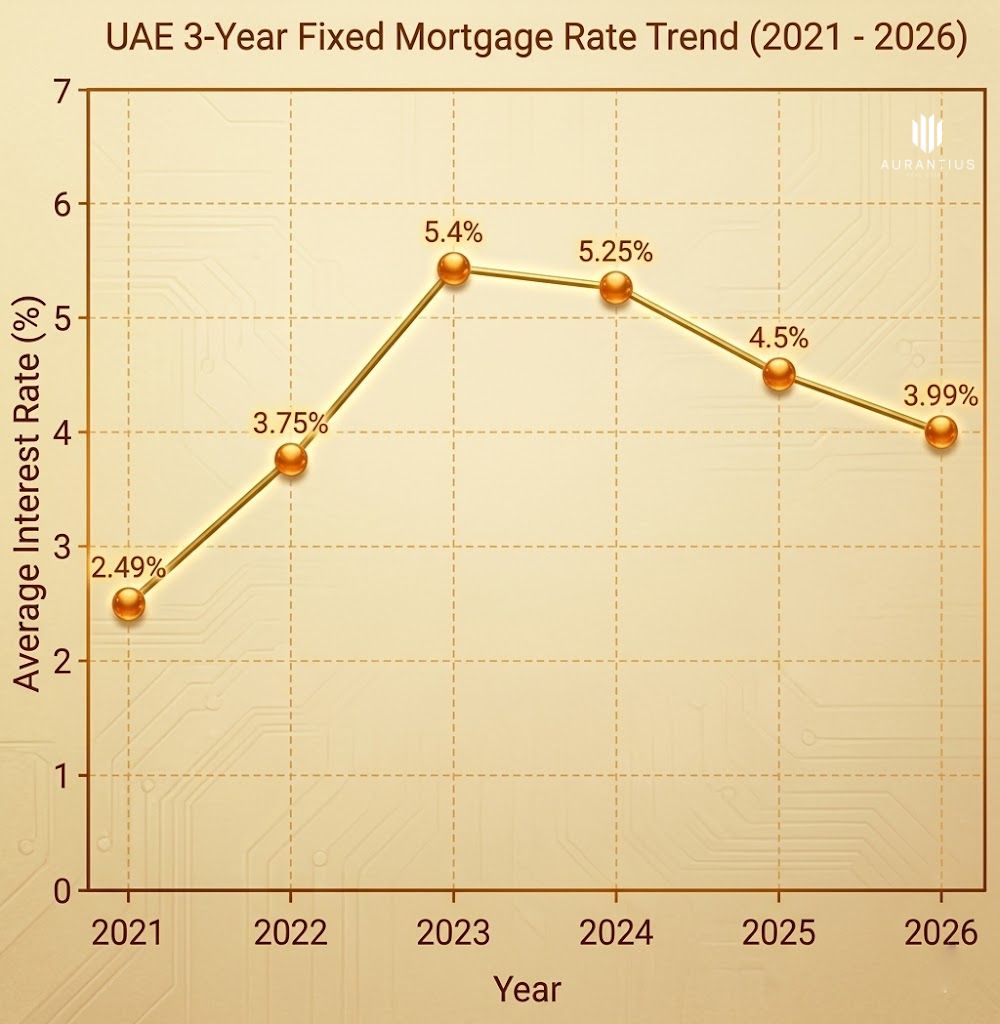
Budgeting: Mandatory Fees and Why Most Buyers Add 7% to 8%
In Dubai, the total acquisition cost is not only the purchase price. Buyers typically budget an additional 7% to 8% to cover mandatory fees, brokerage charges, and administrative expenses. The most significant component is usually the Dubai Land Department transfer fee, commonly cited as 4% of the purchase price. This is paid as part of the ownership transfer process.
Agency commission is another major cost line. Market practice often references 2% of the purchase price plus VAT. Trustee office fees also apply for title transfers and are often cited as a fixed amount that can vary depending on property value. Buyers of ready properties may also face a developer NOC fee, which varies by developer and building. If using a mortgage, buyers should budget for mortgage registration fees typically quoted as a percentage of the loan amount.
Off-plan transactions can involve additional fees such as Oqood registration or developer admin charges depending on the project. These vary by developer and project structure. Buyers should request a written fee sheet before signing any agreement.
All fee values can change based on regulation updates, trustee rules, developer policies, and transaction structure. Buyers should confirm the exact fee schedule at the time of purchase with the trustee office, the developer, and licensed agents.
Step-by-Step Process for Ready Properties: Resale Buying
Start by defining your budget, including fees, furnishing, service charges, and an emergency buffer. If financing, secure mortgage pre-approval before viewing units. Pre-approval is critical because it reduces closing risk and increases negotiation credibility.
Shortlist properties and negotiate terms, then sign the Memorandum of Understanding, often referred to as Form F. This document outlines the agreed price, payment timeline, included items, and obligations for both parties. A security deposit is commonly held, often referenced as around 10%, to demonstrate buyer commitment. Deposit handling should follow regulated processes and be held securely, not transferred to unknown personal accounts.
The seller typically obtains a No Objection Certificate from the developer confirming that service charges and obligations are settled. This step is often required before transfer. Once the NOC is issued, the buyer and seller meet at a Dubai Land Department trustee office to complete transfer, pay the balance, and receive title documentation through official systems such as the Dubai REST application.
Before final transfer, investors should perform snagging and inspection checks. Building condition and unit defects can influence maintenance costs and tenant experience. Investors should also check service charges and building management performance because these costs affect net yield and resale liquidity.
Step-by-Step Process for Off-Plan Properties: Buying Under Construction
Off-plan purchases start with selecting the developer and verifying the project registration. Investors should assess delivery history, community management standards, and handover reliability. Many investors benchmark large developers such as Emaar, Nakheel, Sobha Realty, and DAMAC when comparing execution and long-term community outcomes.
Next is reservation and signing the Sales and Purchase Agreement. A booking amount is paid based on the developer’s structure. Off-plan units are typically registered through Oqood as the interim ownership record until completion. Payments follow a milestone-based plan linked to construction progress. The most important control point is payment routing. Buyers should ensure payments go to the project’s regulated escrow account, not to personal accounts and not to unofficial intermediaries.
Payment plans differ by developer strategy and market conditions. Some developers offer construction-linked plans that require a larger portion paid before handover. Others offer post-handover components. These structures can tighten as demand rises, so buyers should treat a payment plan as time-sensitive and confirm all terms in the SPA.
If you want a project reference flow for off-plan due diligence, you can review any active off-plan listing and use it as a checklist for what information to request. Examples include Marina Cove, Rove Home Marasi Drive, and Peace Lagoons. These links are provided as examples of how to structure questions around location fit, developer profile, handover timelines, and expected leasing demand.
Choosing Locations in 2026: Matching Area to Strategy
Yield-focused investors often start by screening areas with strong tenant depth and accessible entry points. Jumeirah Village Circle is frequently assessed for yield-driven apartments with broad renter demand. Investors targeting lifestyle-linked short-term potential often assess Dubai Marina. Capital preservation and premium liquidity strategies often include Downtown Dubai and coastal scarcity markets such as Palm Jumeirah. Family-oriented strategies often focus on master plans such as Dubai Hills Estate. Corporate demand and mixed-use density often support steady leasing in Business Bay.
Any yield figures associated with these areas are not fixed. Yields can change based on entry price, building quality, service charges, vacancy, and rental pricing at the time of lease. Investors should underwrite net yield using realistic cost assumptions rather than relying on headline gross yield estimates.
Common Pitfalls to Avoid in 2026
Unregistered agents are a major risk. Buyers should work only with RERA-certified brokers and verify broker registration details using official tools. This reduces fraud exposure and improves transaction reliability. Another frequent mistake is ignoring service charges. Service charges can materially reduce net yield and can vary dramatically by building and amenity level. Buyers should obtain the current service charge statement and model it into returns.
Skipping snagging is another error for ready units. A professional inspection before final payment can uncover defects that later become expensive. For off-plan units at handover, snagging is equally important because it affects tenant readiness and long-term maintenance costs.
Payment discipline matters. Any request for money to personal bank accounts, cryptocurrency wallets, or unverified third parties should be treated as a stop signal. Off-plan payments should be routed to escrow. Ready property payments should follow trustee office and regulated transfer processes.
Conclusion
Buying property in Dubai in 2026 remains accessible and structured, with a digital-first transfer system, clear freehold zones for foreigners, and regulated pathways for both resale and off-plan purchases. The process becomes efficient when buyers budget correctly for fees, verify brokers and projects through official channels, and align location selection with a clear strategy. Prices, yields, and payment plans are not fixed and can change with market conditions, so every buyer should validate figures using current comparables and verified documentation before committing.
For location research, developer benchmarks, and project comparison in one place, use Aurantius Real Estate to review Dubai communities, assess investment corridors, and structure due diligence questions before making an offer.