
Wellness-First Dubai Real Estate: Why Green Infrastructure and Low-Density Planning Are Driving the Next Premium Cycle
Dubai’s real estate market is moving into a phase where wellness, sustainability, and quality of life influence buying decisions as strongly as prestige or short-term yield. Global investors and end-users are screening for neighbourhoods that deliver open space, walkable layouts, and community planning that supports daily routines. The market signal is clear: low-density environments with green infrastructure are becoming a central factor in long-term value preservation.
This shift does not replace return targets. It changes how returns are achieved. Buyers are pricing in liveability, commuting convenience, and outdoor access as risk reducers that support occupancy, resale liquidity, and tenant retention. The outcome is a premium being attached to districts that combine lifestyle depth with planning discipline.
Dubai Land Department Data: Investor Participation and Transaction Value
Data cited from the Dubai Land Department highlights the market’s momentum. In the first half of 2025, Dubai attracted around 94,700 investors, a 26 per cent increase compared to the same period in the prior year. These investors completed more than 91,000 residential transactions valued at Dh262.1 billion, a 36.4 per cent year-on-year rise in transaction value. The figures reflect confidence in Dubai as a global property destination and increasing selectivity about the type of developments receiving capital.
Transaction growth at this scale reinforces the role of micro-markets. District differentiation becomes more pronounced as volumes rise. Investors who focus on entry price alone risk missing the structural factors that protect long-hold performance, including park access, street design, community services, and the resilience of demand during pricing recalibration periods.
The Wellness Premium: Amaal’s View of High-Value Sales Above Dh10 Million
A recent analysis cited from Emirati developer Amaal points to a trend in high-value residential sales, with wellness-oriented amenities, abundant green space, and low-density planning appearing as defining features in homes priced above Dh10 million. The takeaway is not that luxury has disappeared. The definition of luxury is being refined toward privacy, space, and health-driven design in districts where residents can live in a calmer environment while maintaining access to Dubai’s commercial core.
In this context, proximity remains valuable, yet the preference is shifting toward proximity paired with breathing room. Neighbourhoods that reduce noise, increase outdoor usability, and deliver a stronger sense of community identity tend to attract longer hold periods and a wider pool of end users, supporting liquidity beyond investor-only demand.
Meydan and Nad Al Sheba: Liveability Near the City Core
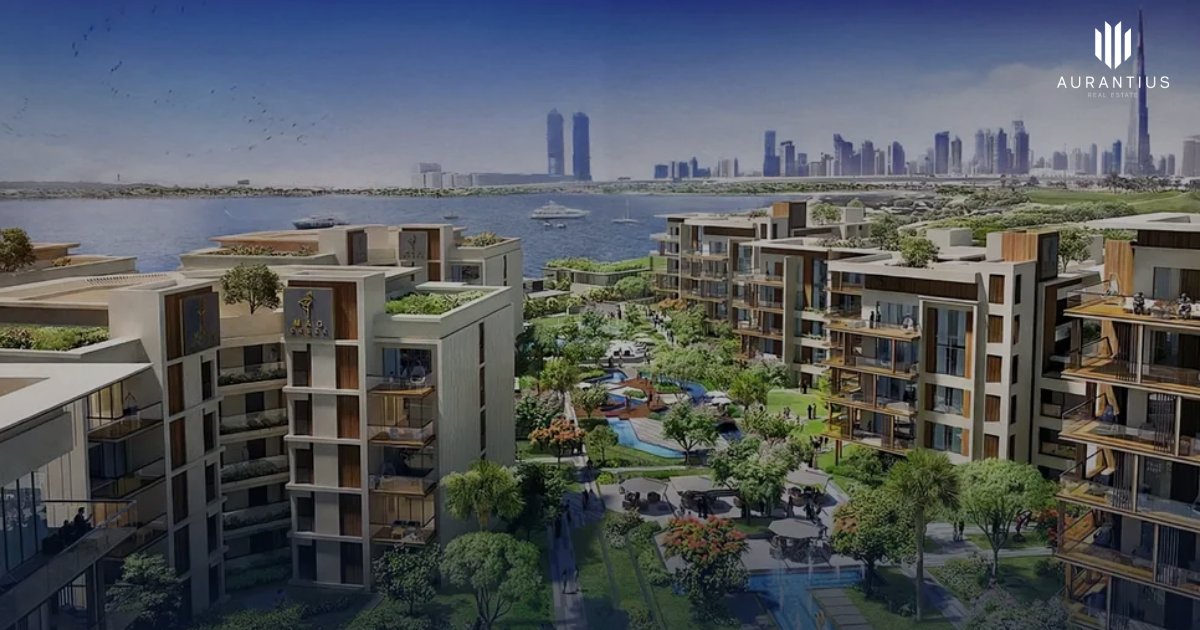
Meydan in Nad Al Sheba is increasingly framed as a lifestyle-driven location that combines access to the city with a calmer residential environment. Landscaped parks, open green corridors, and walkable streets are cited as core advantages, supported by sports venues and equestrian infrastructure. Prices cited for apartments in Meydan reached about Dh1,543 per square foot in the third quarter of 2025, reflecting sustained interest tied to long-term liveability.
The area’s appeal links to its relationship with Downtown Dubai, where employment, hospitality, and global visitor traffic remain strong. Many investors treat Downtown as a liquidity anchor and seek nearby districts that offer more space and quieter living patterns. The market’s off-plan share, cited as above 70 per cent of transactions in the district, indicates buyer confidence in planned communities built for multi-year holding horizons.
Mohammed Bin Rashid City: Master Planning, Parks, and Family Demand
Mohammed Bin Rashid City is positioned as a premium district that blends connectivity with family-oriented green living. Parks, landscaped surroundings, and pedestrian-friendly layouts support a daily lifestyle that aligns with the wellness trend. Large-format villas and townhouses remain a focus for high-value transactions, reflecting demand for space and privacy within a connected urban corridor.
Master-planned communities benefit from consistent delivery and long-term asset management. Developers with strong district footprints influence buyer confidence through project execution and community services. Established names such as Emaar and Sobha Realty are frequently associated with planning discipline and delivery expectations that matter in large community formats.
Dubai Hills Estate: A Benchmark for Suburban Wellness
Dubai Hills Estate has become a reference point for suburban wellness in Dubai. A central park and golf offering support outdoor routines, with schools and retail integrated into a self-contained environment. This combination of daily convenience and open-air living has translated into consistent demand from families and long-hold residents.
Rental performance cited for the community reached around 86.5 per cent occupancy in the first half of 2025, underlining its stability as a community-led neighbourhood. Investor logic is straightforward: strong occupancy supports predictable cash flow, while the depth of end-user demand supports resale liquidity. District health is often strengthened by developer delivery record and community operations, a factor that aligns with the presence of major developers and long-term asset management capability.
Palm Jumeirah and Emirates Hills: Ultra-Luxury Through a Wellness Lens
Palm Jumeirah remains a flagship destination for ultra-prime buyers. The wellness lens reframes its value drivers around outdoor living, waterfront promenades, private beaches, and recreation. Limited new supply supports long-term pricing power, while the blend of privacy and leisure supports consistent demand from international buyers. Palm Jumeirah led Dubai’s ultra-luxury segment in the second quarter of 2025 for homes sold above $10 million, reflecting the continued strength of the top end.
At the highest tier, Emirates Hills continues to represent low-density, green villa living with expansive plots, private pools, and golf adjacency. Prices cited for ultra-luxury villas reached around Dh4,929 per square foot in the first half of 2025, reflecting demand for space and tranquillity within an urban economy. These districts operate with a different liquidity profile, driven by scarcity, privacy requirements, and a narrower buyer pool that values lifestyle and asset positioning.
Waterfront lifestyle in Dubai also extends beyond ultra-prime. Areas such as Dubai Marina attract buyers seeking walkability, leisure access, and strong rental depth. Commercial hubs such as Business Bay remain relevant for investors targeting tenant demand driven by employment density and transport access. Value-oriented rental markets such as Jumeirah Village Circle often reflect the wellness shift through amenity upgrades and community activation rather than low density alone.
What Investors Should Track: Supply, Planning Quality, and Community Operating Standards
Dubai’s pipeline remains active, with more than 61,800 residential units cited as under construction across the city in 2025. In this environment, outperformance tends to follow projects that prioritise green infrastructure, walkability, and holistic living. Execution quality matters as much as design intent. Developers that deliver consistent community operations shape long-term satisfaction, which feeds rental stability and resale performance.
Developers connected to lifestyle districts and master planning remain central to market confidence, including DAMAC, Nakheel, Meraas, and Select Group. Investor underwriting benefits from comparing delivery records, service charge sustainability, and the depth of amenities that influence tenant retention.
Off-plan options aligned with wellness and outdoor living themes illustrate how supply is being positioned. Examples include Golf Meadow and Club Place for golf-led community demand, Sobha Elwood for master community positioning, Chevalia Estate for low-density lifestyle formats, and Greenspoint 2 for neighbourhood-led living strategies. Project selection still requires diligence on handover timing, specification quality, and district absorption.
Build a Wellness-First Dubai Portfolio With Aurantius Real Estate
Aurantius Real Estate supports investors and end users with structured guidance across Dubai’s wellness-led and lifestyle-driven districts, combining location analysis, developer benchmarking, and access to curated off-plan and ready opportunities. Aurantius Real Estate helps clients align capital allocation with long-hold value drivers such as green infrastructure, walkability, and community planning that supports stable occupancy and resilient resale liquidity.