

What Global Investors Evaluate Before Entering the Dubai Property Market
Investor Decision-Making Has Shifted Toward Structure Over Speculation
Dubai continues to command global attention for its skyline, development velocity, and international visibility. Sophisticated investors no longer enter markets based on momentum or perception alone. Cross-border capital today is analytical, risk-aware, and focused on durability. Before committing to Dubai real estate, experienced investors assess whether the market offers the structural foundations required for long-term value creation rather than short-term price movement.
Regulatory Clarity Remains the First Gatekeeper for Capital
Regulatory transparency is a primary consideration for professional investors. Dubai’s real estate framework provides defined freehold ownership zones, centralized land registration, and enforceable legal processes. These elements reduce uncertainty around title security and dispute resolution. Investors prioritize jurisdictions where rules are clear and consistently applied, as predictability underpins confidence across market cycles.
Market Depth and Buyer Diversity Support Liquidity
Investors evaluate whether a property market is supported by diversified demand or concentrated buyer profiles. Dubai benefits from participation across entrepreneurs, expatriate residents, family offices, and institutional capital. This diversity contributes to transaction continuity across economic conditions. Established locations such as Dubai Marina and Downtown Dubai demonstrate consistent liquidity driven by both lifestyle demand and investment activity.
Currency Stability Reduces Portfolio-Level Risk
The UAE dirham’s peg to the US dollar plays a significant role in international allocation decisions. Currency stability removes a layer of volatility common in many emerging markets. For investors managing multi-jurisdictional portfolios, this alignment simplifies capital planning, income forecasting, and exit strategy modeling. Reduced foreign exchange exposure supports longer holding periods and disciplined asset allocation.
Infrastructure Investment Signals Long-Term Commitment
Infrastructure development is closely examined by experienced investors seeking sustainable demand. Dubai’s focus on transport networks, digital services, healthcare, and education supports population growth and long-term residency. These systems contribute directly to housing demand in areas such as Business Bay and Dubai Hills Estate, where proximity to employment and lifestyle infrastructure underpins rental and resale performance.
Supply Discipline Matters More Than Construction Volume
Investors assess how new supply is phased, financed, and absorbed rather than relying on headline delivery numbers. Dubai’s current development cycle reflects a shift toward demand-led launches and escrow-regulated construction. This discipline reduces the risk of oversupply and pricing instability. Communities such as Jumeirah Village Circle illustrate how pricing outcomes increasingly depend on project quality, layout efficiency, and delivery track record.
Developer Credibility Influences Capital Preservation
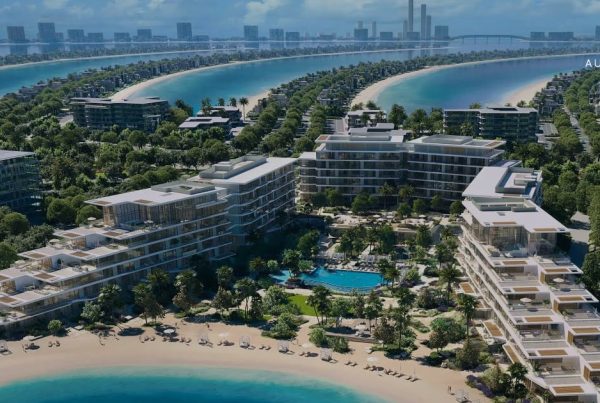
Developer reputation is a key factor in risk assessment. Established developers such as Emaar, DAMAC, and Sobha Realty have built confidence through delivery consistency and asset management standards. Large-scale master planning by Nakheel, lifestyle-focused destinations by Meraas, and waterfront developments by Select Group continue to attract capital seeking predictable outcomes.
Advisory Quality Shapes Investment Outcomes
Professional investors place significant weight on advisory capability. Accessing a global real estate market requires insight beyond listings and promotional material. Advisors are expected to understand pricing dynamics, regulatory detail, developer credibility, and exit scenarios. Decision-making quality often correlates directly with advisory depth rather than transaction volume.
Information Access and Early Opportunity Visibility
Access to timely and curated information influences entry decisions. Investors value early exposure to projects, data-backed valuation context, and off-market opportunities. Research-led platforms and advisors reduce friction by filtering volume into relevant, comparable options. This process improves capital deployment efficiency and reduces behavioral risk.
Alignment With Long-Term Wealth and Residency Strategy
Investors entering Dubai increasingly assess alignment beyond yield. Residency frameworks, tax neutrality, and global connectivity factor into long-term planning. Dubai is positioned as a jurisdiction where capital, lifestyle, and generational planning intersect. This strategic alignment explains why many investors view Dubai as a core allocation rather than a tactical trade.
Why Structural Markets Attract Enduring Capital
Markets that attract durable capital share common characteristics. They reward discipline, transparency, and informed participation. Dubai continues to strengthen these fundamentals through regulation, infrastructure investment, and market governance. For investors who approach the market analytically and seek structure over speculation, Dubai offers scale supported by stability.
Strategic Guidance in a Global Property Hub
As investor scrutiny increases, advisory-led insight becomes essential. Aurantius Real Estate supports investors with market intelligence, location analysis, and developer evaluation across Dubai’s prime and emerging communities. Through a structured, data-driven approach, Aurantius Real Estate helps investors navigate Dubai’s property market with clarity, discipline, and long-term perspective.