
New Year 2026 Hotel Pricing Across the UAE Highlights the Economics of Location, Demand, and Infrastructure
Festive Demand Creates a Short-Term Hospitality Price Cycle
As the UAE approaches the New Year 2026 holiday period, hotel pricing across the country offers a clear snapshot of how demand concentration, location, and event-driven tourism shape short-term accommodation economics. With nationwide celebrations, public holidays, and large-scale fireworks programmes confirmed, the final week of December has once again become one of the most commercially intense periods for the hospitality sector.
Dubai as the Epicentre of Premium Pricing
Dubai continues to command the widest pricing spectrum during New Year week. Properties located near major celebration zones, transport corridors, and landmark destinations experience the sharpest demand compression. Central districts linked to business, tourism, and entertainment infrastructure consistently record the highest average daily rates during this period.
Sheikh Zayed Road and Downtown Influence
Hotels along Sheikh Zayed Road benefit from proximity to Downtown Dubai, DIFC, and multiple fireworks viewing points. Premium hotels in this corridor reach five-figure pricing for six-night stays, reflecting both location advantage and limited short-term supply. This pricing dynamic mirrors residential valuation behaviour observed in nearby mixed-use zones.
Ultra-Premium Urban Hospitality Tier
At the upper end of the market, flagship luxury hotels near Downtown and DIFC push total New Year week costs beyond AED 30,000 once taxes and charges are applied. These figures align with the district’s positioning as Dubai’s most prestigious urban address, a characteristic also seen in residential pricing trends driven by developers such as Emaar.
Business Bay as a Lifestyle Hospitality Hub
Business Bay continues to perform as a high-demand lifestyle hotel district during peak events. Pricing during New Year week typically clusters in the mid-to-upper range, reflecting strong accessibility, skyline views, and proximity to Downtown celebrations. The area’s mixed-use nature supports both leisure and business travel demand.
Dubai Marina’s Waterfront Premium
Dubai Marina maintains a pronounced premium during the festive period, particularly for waterfront and skyline-facing properties. New Year pricing in the Marina reflects sustained international demand, tourism appeal, and marina-front visibility. The pricing pattern mirrors long-term residential strength supported by developers such as Select Group.
Affordable Alternatives Within Prime Districts
Despite headline-grabbing luxury rates, Dubai continues to offer mid-range and serviced-apartment options within prime districts. These properties attract extended-stay guests, families, and budget-conscious travellers seeking location access without premium brand pricing. This layered pricing structure supports occupancy depth across market segments.
Abu Dhabi’s Event-Led Pricing Surge
Abu Dhabi experiences a parallel demand surge during New Year week, driven by large-scale fireworks and cultural programming. Island and Corniche locations see the strongest pricing uplift, particularly in five-star resorts and landmark hotels. This pattern reflects Abu Dhabi’s strategy of concentrating high-impact events in defined tourism corridors.
Capital City Luxury Versus Central Business Hotels
Luxury beachfront resorts in Abu Dhabi command New Year pricing comparable to Dubai’s top tier. Central business hotels offer slightly lower but still elevated rates, reflecting limited availability and strong domestic travel demand during the public holiday period.
Northern Emirates as Value Destinations
Outside Dubai and Abu Dhabi, hotel pricing during New Year week reveals a markedly different value proposition. Emirates such as Umm Al Quwain, Ajman, Sharjah, Fujairah, and Al Ain provide significantly lower per-night rates, even during peak demand. These markets benefit from domestic tourism, shorter stays, and resort-style offerings without the premium event pricing seen in Dubai.
Fujairah and Coastal Resort Economics
Fujairah’s five-star resorts demonstrate competitive pricing relative to Dubai’s urban hotels. Beachfront inventory, lower land costs, and resort-focused demand contribute to pricing stability. These dynamics highlight how location fundamentals influence both hospitality and residential valuation patterns.
Ajman and Sharjah as Budget Anchors
Ajman and Sharjah continue to function as affordability anchors during high-demand periods. Entry-level hotel rates remain accessible, reinforcing their role in absorbing overflow demand from Dubai while supporting local tourism ecosystems.
Fireworks, Infrastructure, and Pricing Power
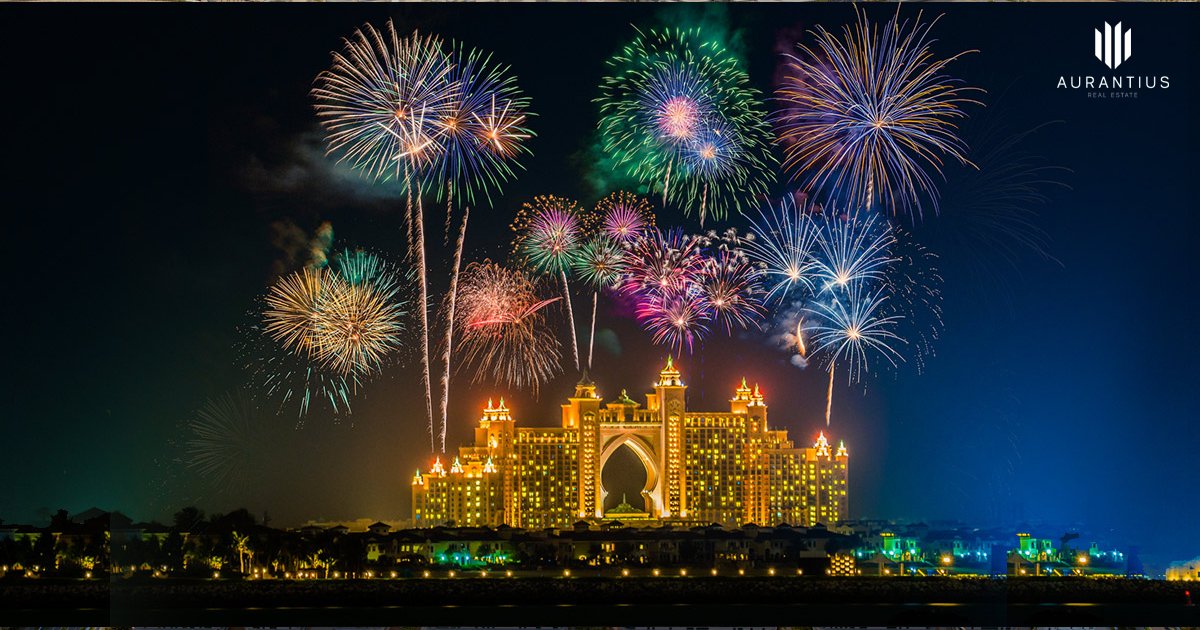
Hotel pricing during New Year week is directly reinforced by the scale of public celebrations. Dubai’s multi-location fireworks programme, Abu Dhabi’s extended-duration displays, and coordinated events across Sharjah and Ras Al Khaimah create predictable spikes in short-term accommodation demand. Infrastructure readiness and transport connectivity amplify pricing power in core zones.
Hospitality Performance Mirrors Real Estate Fundamentals
The divergence in New Year hotel pricing closely mirrors residential real estate fundamentals. Prime, infrastructure-rich districts sustain premium valuations, while peripheral and secondary markets compete on value and volume. This pattern is evident across residential communities such as Palm Jumeirah, Jumeirah Village Circle, and Dubai Hills Estate, where pricing reflects location, accessibility, and lifestyle appeal.
Developer Influence on Destination Economics
Integrated destination planning by developers plays a central role in sustaining both hospitality and residential pricing. Master developers such as Nakheel, Meraas, DAMAC, and Sobha Realty continue to shape demand concentration through mixed-use development, event programming, and lifestyle infrastructure.
What New Year Pricing Signals for Investors
New Year hotel pricing offers insight beyond short-term travel costs. It highlights which districts command pricing power, where demand elasticity is strongest, and how infrastructure investment translates into commercial performance. These indicators are closely watched by investors evaluating hospitality-backed residential strategies and short-term rental potential.
Aurantius Real Estate Perspective
Understanding seasonal demand patterns is essential for evaluating long-term real estate performance. Aurantius Real Estate provides data-driven insight into how hospitality trends, infrastructure investment, and location fundamentals influence residential value across Dubai and the wider UAE. Through strategic analysis and market intelligence, Aurantius Real Estate supports investors seeking to align property decisions with demand resilience and long-term growth dynamics.