

Dubai Rent Outlook for 2026: Slower Growth, More Negotiation, Smarter Sub-Markets
As Dubai’s real estate cycle matures, the 2026 rental conversation is shifting from “how fast can rents rise?” to “where will rents hold, and where will tenants gain leverage?” Multiple market signals point to continued rental growth, but at a slower pace than the sharp increases seen in the last two years. The core reason is simple: demand remains supported by population growth and relocation inflows, while supply is becoming more visible and more competitive across several high-transaction districts.
Why Rent Growth Is Cooling After a Strong Cycle
Market commentary suggests Dubai rents could rise by up to around 6% in 2026, a moderated pace compared to prior periods. Local reporting has also highlighted that year-on-year rent growth has eased materially through 2025 as new handovers expand tenant choice. In practical terms, this is the early formation of a more balanced leasing market: not “cheap,” but more disciplined, with pricing driven by product quality, building competitiveness, and community-level supply pressures rather than broad momentum.
What Fitch-Style Moderation Signals Mean for Tenants and Landlords
When credit rating agencies and institutional observers talk about “moderation,” they are pointing to deceleration rather than reversal. Prices and rents can still rise, but at a rate that is more consistent with long-term fundamentals and affordability thresholds. For tenants, this typically translates into more options in supply-heavy areas, improved negotiating leverage on lease terms, and greater ability to trade up in quality without absorbing the full cost increase. For landlords, it increases the importance of tenant retention, maintenance standards, and realistic renewal pricing.
Where Rent Increases Are Most Likely to Hold in 2026
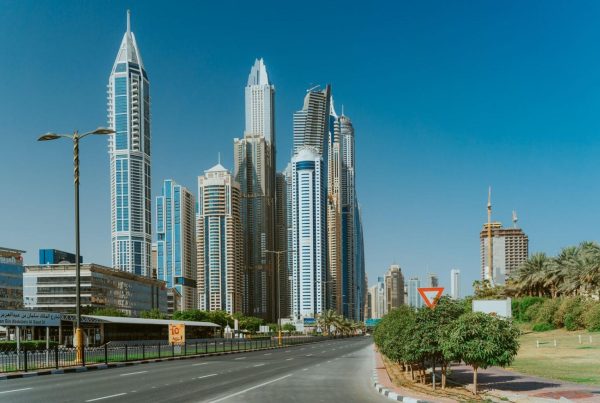
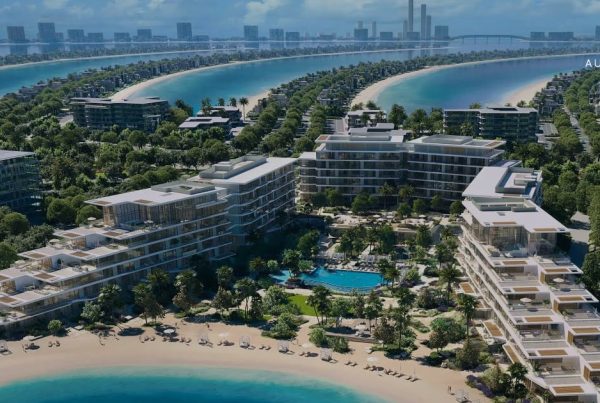
In 2026, rent increases are expected to remain strongest where supply is structurally constrained and tenant competition is persistent. This usually includes prime waterfront and established lifestyle communities, as well as larger-format family units where demand is deeper than the available stock. Prime areas such as Downtown Dubai, Palm Jumeirah, and Dubai Marina are commonly referenced as markets that can maintain rental strength due to brand value, convenience, and liquidity across both tenant and buyer profiles.
Supply Concentration Will Create Micro-Markets, Not One Market
One of the most important points for 2026 is that Dubai will behave less like a single rental market and more like a network of micro-markets. New supply is expected to be concentrated in several high-demand districts, including Dubai Hills Estate, Business Bay, Jumeirah Village Circle, Al Furjan, and Dubai Marina. Where handovers intensify, landlords will compete more actively on pricing, payment flexibility, and unit condition. In these corridors, older buildings without upgrades may feel pressure first, while well-managed stock with strong layouts and amenities can still perform.
Seasonality Matters More Than Headlines Suggest
Dubai’s rental market has always had seasonal patterns, but in a moderating cycle, seasonality becomes more visible. The market often sees softer demand during peak summer months when travel increases and relocation activity slows, followed by stronger activity in the cooler months when hiring, school planning, and corporate moves typically pick up. The operational takeaway is that tenants renewing or negotiating in a softer period may have more leverage, while landlords leasing during peak demand months may still achieve firmer pricing, especially in top-performing communities and best-in-building units.
Long-Term Leases, Homeownership Intent, and the “Permanent Dubai” Trend
Another structural driver is the continued shift toward longer-term residency behavior. Visa frameworks, remote work pathways, and the broader normalization of Dubai as a long-term base have pushed more residents to think in multi-year horizons. That shows up in a preference for longer leases, better-quality homes, and neighborhoods that support daily life rather than short stays. This is particularly evident in districts that balance accessibility and affordability, where residents can secure a functional lifestyle and keep future optionality, whether that is upgrading, investing, or eventually buying.
How to Use This Outlook When Choosing Where to Rent
For tenants, the smart 2026 approach is to compare communities not only by headline rent, but by the amount of upcoming supply and the competitiveness of comparable buildings. In supply-heavy areas, negotiate for better lease structures, maintenance commitments, or unit upgrades, especially if you are a stable tenant with strong payment history. In supply-constrained prime areas, focus on value inside the building: layout, view, parking, amenities, and maintenance responsiveness often matter as much as the asking price because comparable options are limited.
Aurantius Real Estate supports tenants and landlords with community-level rental benchmarking, building comparisons, and strategy around renewals, upgrades, and unit positioning. If you share your target budget, unit type, and preferred commute lifestyle, we can shortlist the communities where 2026 supply dynamics are most likely to work in your favor.