
Dubai Malls and Hotels Operating Normally in March 2026: What Continuity Signals for Real Estate Confidence,Tourism and Retail Spending
Dubai’s retail and hospitality sectors entered March 2026 under heightened attention due to regional headlines and travel disruption concerns. Official statements released by government-linked channels and major operators indicated that malls, hotels, and development activity in Dubai are open and operating normally as of March 5, 2026. For investors, this is a continuity marker. Retail footfall, hotel occupancy, and construction progress operate as real-economy inputs that influence leasing demand, short-stay performance, and buyer sentiment across residential and mixed-use districts.
The operating status matters because Dubai’s real estate demand is tightly linked to mobility and consumption. A large share of near-term leasing activity is generated by corporate travel, relocations, and tourism-driven employment. A large share of prime purchasing demand is supported by lifestyle infrastructure and service delivery, including retail destinations, entertainment, and hospitality standards. When authorities confirm that core assets remain operational, the market reads that as an operational risk reduction rather than a marketing message.
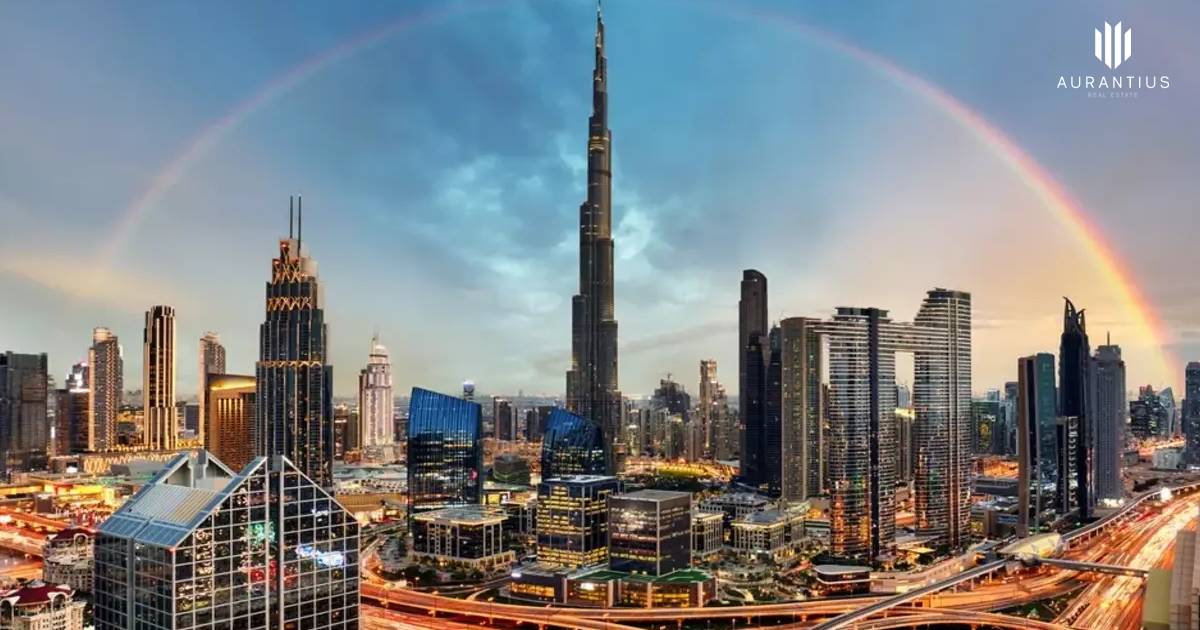
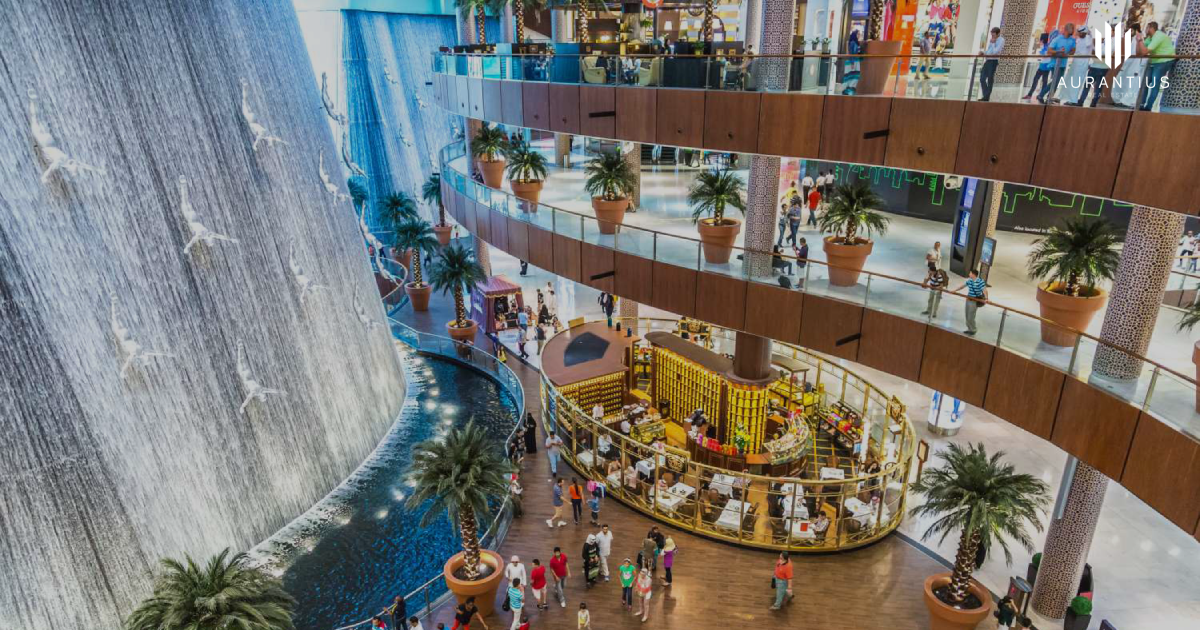
Sector updates referenced a broad range of assets. Mall operations were confirmed as normal, with key flagship venues such as Dubai Mall operating as usual. Hospitality operators indicated uninterrupted services across hotels and resorts. National-level reporting referenced more than 1,260 hotels across the UAE continuing operations under applicable safety standards. In a city where retail and tourism are central pillars, this type of statement aims to reduce uncertainty for visitors and reassure businesses that service continuity is intact.
Operational Status by Sector: Retail, Hospitality, and Project Delivery
Retail continuity was framed through large mall operators and aggregated mall networks. Emaar Malls indicated that its assets are open, including Dubai Mall and Dubai Hills Mall. This type of confirmation supports a simple investor thesis: footfall-based retail and the broader consumer ecosystem are functioning. For residential investors, functioning retail anchors increase the attractiveness of nearby communities, support tenant retention, and sustain premium pricing where walkability and amenities are key drivers of rent and resale liquidity.
Hospitality updates were framed through both individual operators and national counts. Emaar Hospitality indicated uninterrupted services across its portfolio of hotels and resorts. The national count of operating hotels provides a wider signal that the tourism and business travel ecosystem is structurally active, even when external risk narratives increase. For the property market, the most immediate connection is short-term rental occupancy and hospitality-linked employment. When hotels remain open and operating under safety standards, the downstream impact on service sector activity is reduced.
Construction and development progress was also referenced in the “operating normally” framing. The market relevance here sits in delivery confidence. Active construction schedules influence supply timing, buyer expectations, and developer cash-flow assumptions. Investors tracking handover windows place weight on whether infrastructure works and utilities delivery remain on schedule. Statements indicating that major works continue without delays help stabilize expectations on delivery calendars, especially for projects marketed toward end users and long-term investors.
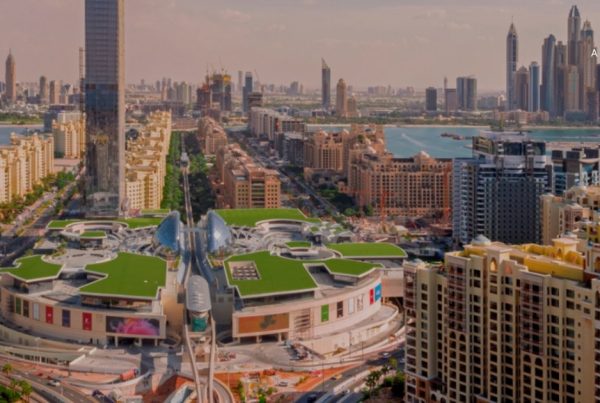
Named examples of ongoing activity included major landmark developments and master-planned expansions that are scheduled for delivery windows aligned with 2026 milestones. The details serve as a confidence anchor for buyers who measure execution risk during periods of uncertainty. Execution confidence reduces the probability of abrupt discounting driven by fear-based narratives, even when transaction velocity slows for operational reasons.
Business Continuity Signals: Why Investors Track Sales Momentum and Public Confidence
Operational status updates often include performance indicators to show that the business environment remains active. Reporting referenced that property sales more than doubled year-on-year in the first two months of 2026 for a major developer, supported by business continuity planning. For investors, early-year sales momentum is not a price guarantee. It is a demand indicator. It suggests that buyer pipelines remained active, financing and payment processes continued, and the market retained liquidity during the period measured.
In investor decision-making, liquidity is a primary variable. Liquidity affects price discovery, resale timelines, and the ability to exit positions without heavy discounts. When sales and operational continuity are both presented as stable, the combined signal supports a view that the market’s transactional infrastructure is functioning. This includes mortgage processing, developer sales operations, conveyancing workflows, and leasing demand supported by business activity.
Public appearances by national leadership in high-visibility venues were also framed as confidence signaling. A public visit to Dubai Mall by senior leaders was interpreted as a visible demonstration of stability and confidence in public security. For institutional and private investors, these moments are read as governance posture signals. They do not replace fundamentals. They can reduce uncertainty during short windows when media coverage drives perception risk.
How Retail and Hospitality Continuity Translates Into Real Estate Market Mechanics
The link between operating malls and real estate value is direct in districts where amenity access is priced into rents and resale. Tenants and end users pay premiums for convenience, entertainment access, dining density, and branded retail ecosystems. Retail continuity supports weekend footfall, supports service employment, and reinforces the lifestyle proposition that helps Dubai compete with other global hubs for residents and capital.
Hotels operating normally also influence real estate through short-stay patterns and corporate mobility. Short-term rental stock competes with hotel offerings in certain segments. When hotels remain open and flight connectivity stabilizes, the market expectation is that short-stay demand remains functional, even if travel volumes fluctuate. This expectation supports cash-flow stability for furnished units and hospitality-adjacent investment strategies.
Development continuity is the third channel. Construction progress affects supply scheduling, buyer confidence, and the ability of developers to deliver on handover commitments. Investors tracking off-plan exposure generally price execution risk into their strategy. Signals that road works, utilities, and major community infrastructure continue without delays reduce perceived execution risk, which can support steadier sales conversion and fewer panic-driven repricing events.
Developer credibility is part of this framework, especially for buyers screening execution and asset management standards. When a major operator provides formal updates on mall operations and hospitality continuity, investors interpret it as an indicator of governance, internal controls, and operational planning capacity. In Dubai, these attributes are relevant because large master-linked ecosystems influence long-term community performance.
Conclusion
The confirmation that Dubai malls, hotels, and development activity are operating normally as of March 5, 2026 provides a practical confidence signal for tourism, retail spending, and real estate demand. Retail continuity supports lifestyle-led pricing and leasing resilience. Hospitality continuity supports short-stay demand and service sector stability. Development continuity supports delivery confidence and reduces execution risk perceptions. Investors tend to treat these operational markers as inputs into risk management rather than as short-term price catalysts.
Track Dubai market context and sector updates through Aurantius Real Estate for investor-focused coverage that connects on-the-ground operating conditions with leasing, demand drivers, and real estate decision frameworks.