
Dubai Property Market 2026: The End of the Boom? or Start of a Mature Two-Tier Market
The Dubai property market in 2026 is not collapsing. It is becoming more selective, more disciplined, and more fragmented. The post-pandemic phase where nearly every district, tower, and asset class moved upward at the same pace has started to fade. In its place, a more mature property cycle is emerging, defined by hyper-local performance, asset-specific demand, and sharper negotiation between buyers, sellers, landlords, and tenants.
This shift is best understood as strategic fragmentation rather than market weakness. Dubai continues to record strong transaction activity, supported by end-user demand, foreign capital, population growth, and major off-plan launches. At the same time, price growth is normalising in several mid-market locations, rental pressure is easing in high-supply apartment communities, and tenants are gaining more choice than they had during the extreme rental surge of previous years.
The new market is no longer driven by one simple city-wide story. Prime waterfront districts, low-supply family villa communities, and branded luxury projects continue to attract premium demand. High-supply apartment zones are becoming more competitive as new handovers enter the leasing market. This is why Dubai real estate participants in 2026 must study neighbourhoods and asset classes separately instead of relying on broad market averages.
Investors following this transition can review Dubai Real Estate Q2 2026 Top Launches and Investment Outlook to understand how new supply, buyer demand, and launch activity are shaping the next phase of the market. The strongest opportunities are not disappearing. They are becoming more specific.
Why Dubai’s Property Boom Is Re-Anchoring Instead of Crashing
Dubai’s property market has moved through several years of exceptional expansion. Prices, rents, transaction values, off-plan sales, and luxury demand all accelerated after the pandemic as international buyers, long-term residents, entrepreneurs, and high-net-worth individuals increased their exposure to the city. By 2026, that broad momentum has not vanished, but it has become more measured.
The clearest signal is that buyers are becoming more analytical. They are comparing service charges, handover timelines, developer strength, rental yield, payment plans, mortgage costs, and future supply before committing. This is a healthier environment than blind speculation because it rewards quality assets and exposes weak pricing. Sellers can still achieve strong prices in premium locations, but unrealistic expectations are being challenged more often.
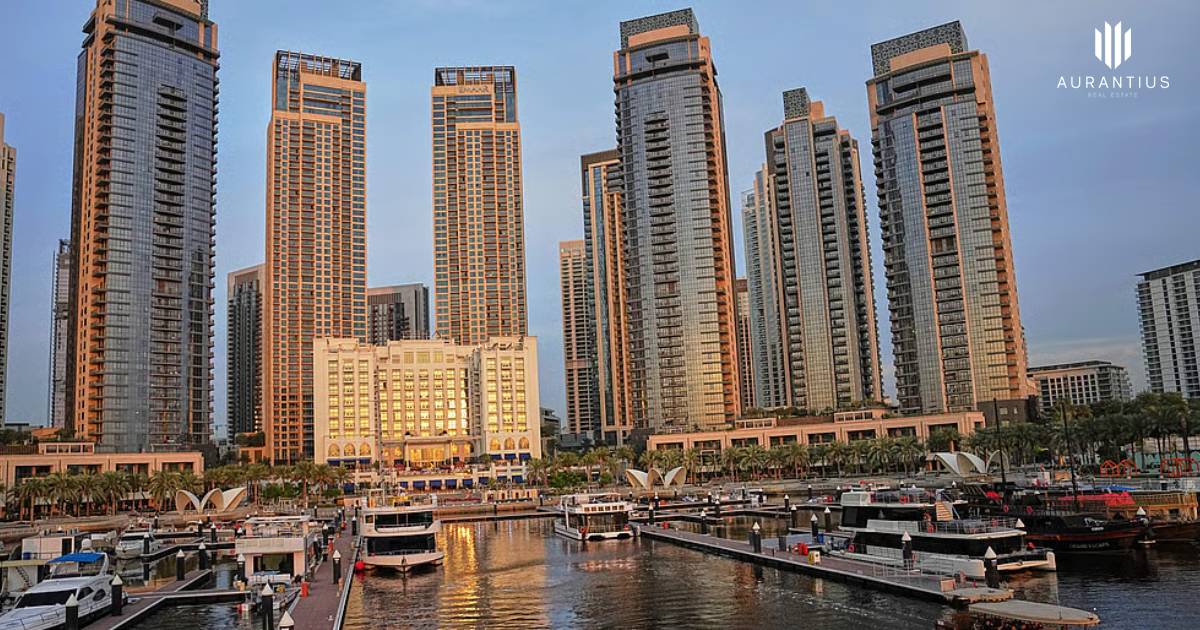
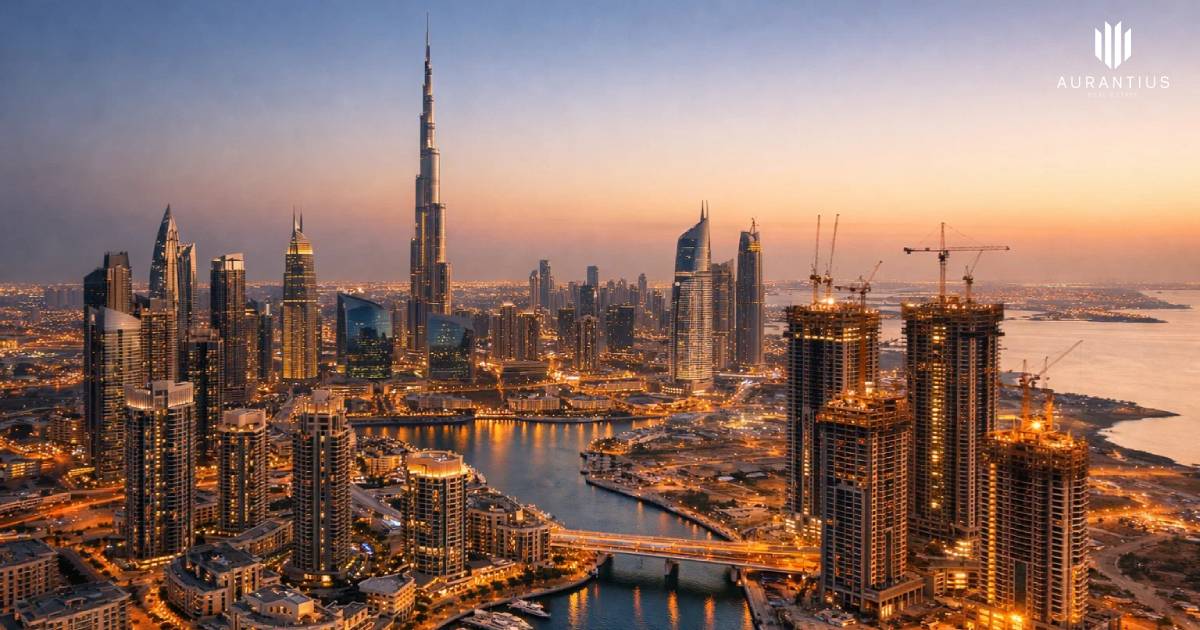
This is visible across communities such as Dubai Marina, Downtown Dubai, and Business Bay, where liquidity remains strong but buyers are more sensitive to unit quality, view, building condition, and asking price. In luxury and lifestyle-led districts such as Palm Jumeirah, scarcity continues to support premium values. In family-focused communities such as Jumeirah Village Circle and Dubai Hills Estate, performance depends heavily on supply, layout, amenities, and end-user demand.
The market also remains supported by Dubai’s long-term economic positioning. The city continues to attract entrepreneurs, regional headquarters, skilled professionals, and international investors. This demand base helps prevent a simple crash narrative. The more accurate reading is that Dubai is moving from rapid expansion into a more sustainable, data-led property cycle.
The New Two-Tier Market: Prime Scarcity Versus High-Supply Competition
The most important feature of the 2026 Dubai real estate update is the widening gap between different property segments. Ultra-prime homes, waterfront assets, and low-density family villas remain supported by scarcity. Buyers in these segments often focus on lifestyle, capital preservation, residency planning, and long-term ownership. These assets do not compete directly with standard high-rise apartments in heavily supplied submarkets.
Villas and townhouses continue to benefit from strong family demand because many residents now view Dubai as a long-term base rather than a temporary work destination. Limited supply in established communities gives owners stronger pricing power. This is especially relevant in master-planned districts with schools, parks, retail access, healthcare, and strong road connectivity.
Apartment performance is more varied. Premium towers in strong locations can still perform well, especially where views, amenities, management standards, and tenant demand are strong. Standard apartments in high-supply locations face more competition as new buildings are handed over. Tenants now have more options, and landlords in these areas must price realistically to avoid vacancy.
This two-tier structure is also visible in off-plan demand. Buyers continue to study projects from major developers such as Emaar, DAMAC, Sobha Realty, Nakheel, Meraas, and Select Group, but the strongest investors are no longer buying only because a launch is new. They are comparing developer credibility, entry price, payment structure, location depth, and likely resale demand.
Dubai Leasing Market 2026: Not All Rentals Are Moving the Same Way
The Dubai leasing market in 2026 is becoming more balanced after several years of aggressive rent growth. This does not mean all rents are falling. It means rental movement is now more localised. Some landlords still hold strong pricing power in low-supply prime districts, while others face more pressure in buildings and communities with rising vacant inventory.
In premium and established areas, rental demand remains resilient. Tenants continue to pay higher rents for waterfront access, central locations, strong amenities, high-quality buildings, and family-friendly communities. Palm Jumeirah, Downtown Dubai, Dubai Marina, Dubai Hills Estate, and selected villa communities remain attractive because supply is limited and tenant profiles are stronger.
In mid-market apartment communities, the story is different. New handovers are giving tenants more options, and landlords must compete through price, payment flexibility, maintenance quality, and property presentation. This creates a more tenant-friendly environment in selected locations, especially where multiple similar units are available at the same time.
The gap between renewal rents and new contract rents also remains important. Existing tenants protected by regulated rental increase mechanisms may still pay below-market rates in established communities. Landlords want to close that gap where legally permitted, while tenants want to preserve affordability. This makes renewal strategy, notice periods, and market evidence more important than before.
What This Market Shift Means for Landlords
For landlords, the 2026 market rewards quality and punishes complacency. Owners of scarce villas, premium waterfront homes, and well-maintained units in prime communities can still command strong rents. Owners of older or standard apartments in competitive submarkets must work harder to attract and retain tenants.
Retention is becoming more valuable. A reliable tenant paying slightly below the maximum asking rent may be better than a vacant unit chasing an unrealistic number. Vacancy, repainting, maintenance, agency fees, and lost rental days can reduce annual returns quickly. In a market with rising listings, landlords must calculate net income rather than only headline rent.
Property condition also matters more. As new supply enters the market, older units need upgrades to remain competitive. Clean interiors, modern kitchens, better lighting, fresh paint, maintained air-conditioning, and professional photography can help a landlord secure stronger demand. Tenants now compare options more carefully, and poorly presented units are easier to reject.
Landlords should also monitor broader strategy guidance such as Dubai Property Market 2026: Off-Plan Dominance and Buyers Phase Explained. The same principle applies across sales and leasing: the market is still active, but buyers and tenants are becoming more selective.
What This Market Shift Means for Buyers and Tenants
For buyers, the end of the uniform boom creates better decision-making conditions. There is less pressure to panic-buy every available unit. More sellers are open to negotiation when a property is overpriced, poorly maintained, or located in a high-supply segment. Buyers who understand district-level pricing can identify value more effectively than those relying only on broad city-wide headlines.
End-users may benefit most from this phase because they can focus on liveability rather than speculation. Schools, commuting routes, community facilities, maintenance standards, and long-term affordability matter more than short-term price movement. A mature market gives buyers more time to compare and verify.
For tenants, the return of supply creates more leverage in selected areas. Tenants looking for new homes can compare multiple buildings, request better payment terms, negotiate rent, and assess landlord responsiveness before signing. Those already paying below-market rent in established communities may benefit from staying put if the renewal terms remain reasonable.
Tenants should not assume that every district is now cheaper. Prime areas with limited stock can still move upward. The best strategy is to compare real available units, check building quality, review commute needs, and understand the legal rental increase framework before making a decision.
Why Developer Strength Still Matters in a Mature Market
As the market matures, developer selection becomes more important. During fast boom cycles, broad momentum can hide weak project fundamentals. During a more selective phase, buyers start separating credible developers from speculative launches. Delivery record, escrow discipline, construction quality, community planning, and after-sales service become central to capital protection.
Investors reviewing developer options can use Top 10 Real Estate Developers in Dubai for 2026 to compare the major names shaping the city’s next supply cycle. The goal is not to buy only from the most famous developer. The goal is to select the developer, location, unit type, and payment structure that match the investor’s risk profile.
This is especially important in a market where off-plan remains a major transaction driver. Flexible payment plans can support affordability, but they do not replace due diligence. Buyers must review launch price, expected completion, surrounding infrastructure, future supply, rental demand, and resale liquidity. A strong payment plan on a weak asset is not a strong investment.
Market confidence can also recover quickly after short-term pauses when fundamentals remain strong. Investors tracking sentiment cycles can review Dubai Real Estate Rebound 2026: Post-Ceasefire Boom and Investor Surge for further context on how external events can affect transaction speed without changing the long-term appeal of well-selected assets.
FAQ: Dubai Property Market and Leasing Trends in 2026
Is the Dubai property market crashing in 2026?
No. The better description is stabilisation. Transaction activity remains strong, but price growth is becoming more selective. Prime villas, waterfront homes, and quality projects remain resilient, while some high-supply apartment segments are becoming more competitive.
Are Dubai rents falling in 2026?
Rents are not moving the same way everywhere. Some high-supply apartment communities are seeing softer conditions and more negotiation, while premium locations and low-supply villa communities remain stronger. The market is becoming more localised rather than uniformly rising.
Is 2026 a good time to buy property in Dubai?
It can be a good time for disciplined buyers who focus on location, developer strength, realistic pricing, rental demand, and long-term affordability. Broad market momentum will not protect every purchase, so asset selection is more important than before.
What should landlords do in Dubai’s changing rental market?
Landlords should focus on tenant retention, realistic pricing, flexible payment terms, property maintenance, and strong presentation. In competitive communities, keeping a reliable tenant may deliver better annual returns than chasing a higher rent and facing vacancy.
What should tenants do before renewing a lease?
Tenants should compare current market listings, check the legal rent increase framework, review available alternatives, and negotiate based on real supply in their area. Staying in place may be financially better if the current rent remains below market.
Which property segments are strongest in Dubai in 2026?
Low-supply villas, prime waterfront homes, high-quality branded residences, and well-located projects by reputable developers remain stronger. Standard apartments in high-supply zones require more careful analysis due to rising competition.
Conclusion: Dubai Real Estate Has Entered a Mature, More Selective Cycle
Dubai’s property and leasing market has moved from a fast post-pandemic sprint into a more calculated, mature phase. The era of every asset rising at the same pace is over. Success now depends on exact neighbourhood, property type, developer quality, rental demand, supply pipeline, and timing.
For buyers and tenants, this creates more breathing room. There is greater ability to compare, negotiate, and avoid rushed decisions. For sellers and landlords, quality still commands value, but average assets need realistic pricing and better presentation. The strongest performers will be properties with clear utility, strong location, limited supply, and long-term end-user demand.
The market is not collapsing. It is becoming healthier, more transparent, and more selective. Dubai’s next phase will be defined less by broad speculation and more by disciplined decisions, reliable income, infrastructure strength, and asset quality.
Aurantius Real Estate helps buyers, landlords, tenants, and investors understand Dubai’s changing property cycle through data-led guidance, community comparison, developer analysis, and practical investment planning. In a fragmented 2026 market, the right advice can help separate genuine opportunity from headline noise.