
Dubai Real Estate Rebound 2026: Post-Ceasefire Boom & Investor Surge
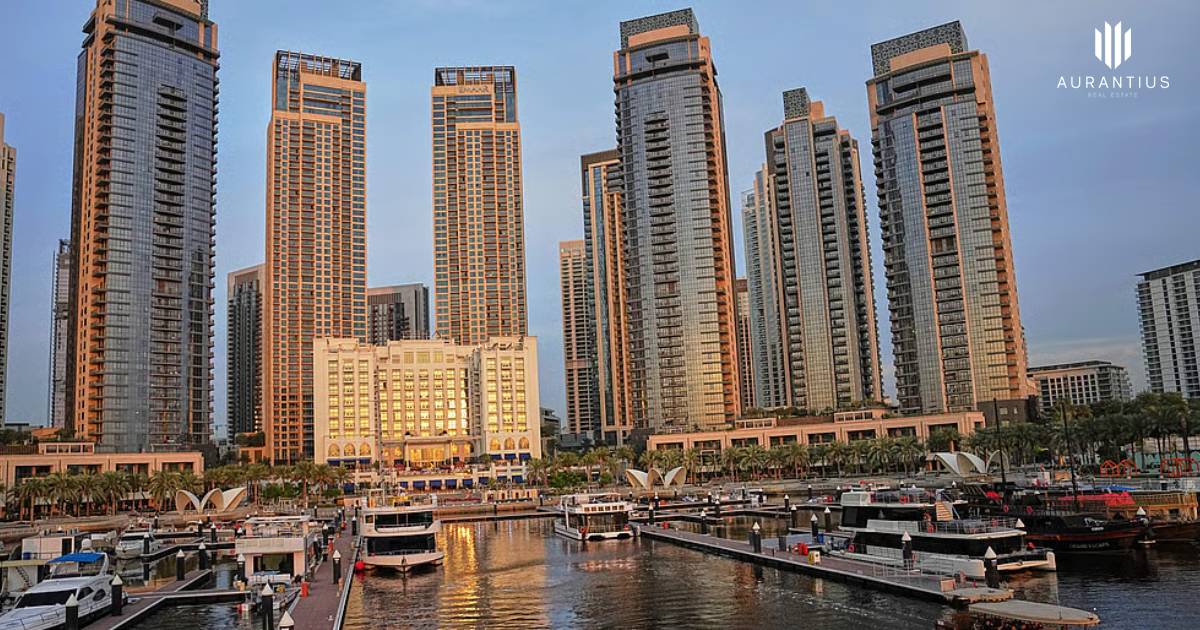
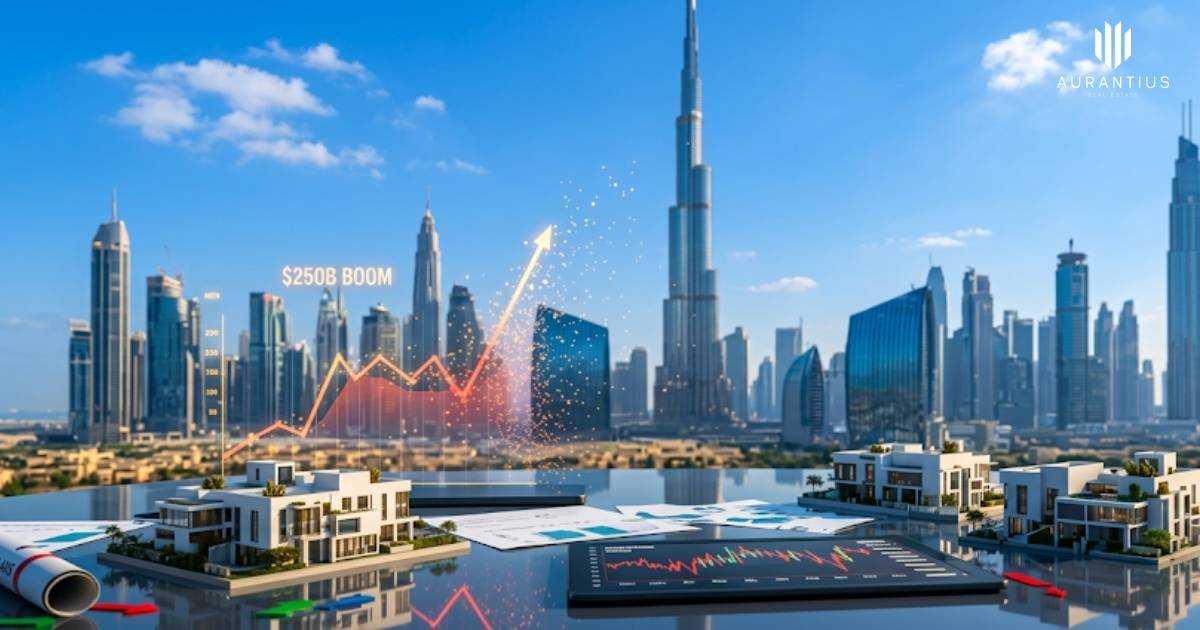
How Dubai’s real estate market is rebounding in 2026 after the ceasefire. Rising investor confidence, strong Q1 growth, and new opportunities make it a top safe-haven investment see what’s driving the surge. As the April 2026 ceasefire stabilizes regional conditions, the UAE property market recovery is entering a phase best described as a “Resilience Rebound.” Rather than simply returning to normal, Dubai’s real estate sector has demonstrated its ability to absorb external shocks and regain momentum. With safety alerts subsiding and daily operations resuming, investor confidence is strengthening, supported by strong Q1 performance and renewed capital inflows. This shift confirms Dubai’s position as a leading UAE safe haven investment destination in a volatile global environment.
The Safe Haven Proof: Infrastructure and Security Resilience
The recent period of regional tension has effectively stress-tested the UAE’s infrastructure and security systems. Following the ceasefire announced in early April, no new aerial threats have been reported, and public services continue to operate normally . This operational continuity has reinforced long-term trust among investors, who now view Dubai not only as stable but as a proven safe haven capable of maintaining economic activity even during geopolitical stress.
Stock Market Signals and Real Estate Momentum
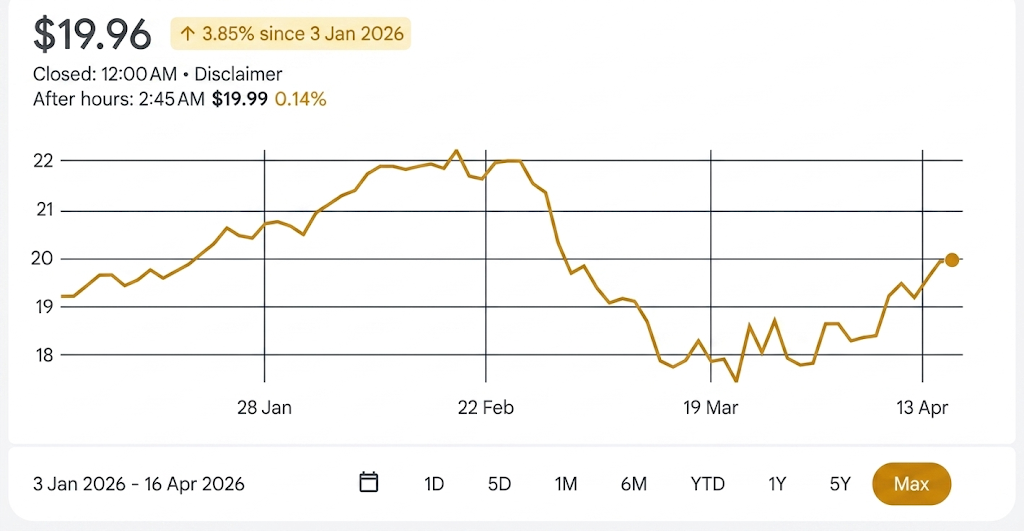
Financial markets have responded quickly to improved stability, with Dubai’s main stock index rising by approximately 6.9% following the ceasefire announcement {index=1}. Major developers recorded gains of up to 13%, signaling renewed investor confidence in the real estate sector. Historically, such equity market movements act as a leading indicator for property market activity, suggesting that Dubai real estate growth 2026 is likely to accelerate in the coming quarters.
New Investor Inflows and Market Expansion
The UAE property market recovery is also being driven by a surge in new investors. In Q1 2026 alone, more than 29,000 new buyers entered the Dubai market, reflecting sustained global interest despite recent uncertainties . This influx of capital highlights the market’s ability to attract diverse investor profiles, ranging from high-net-worth individuals to institutional participants. As explored in Dubai transaction growth analysis, demand remains strong across multiple segments.
Post-Conflict Real Estate Trends and Buyer Behavior
Post-conflict real estate trends in Dubai indicate a shift toward more calculated investment decisions. Buyers are increasingly focused on fundamentals such as location, developer credibility, and long-term value rather than short-term speculation. Luxury properties continue to show resilience, while mid-market segments are experiencing more selective demand. Insights from off-plan market analysis highlight how the market has adapted to changing investor expectations.
Supply Pipeline and Construction Activity
Despite recent tensions, construction activity remains strong, with building permits increasing by approximately 12% in Q1 2026. Developers are continuing to launch and deliver projects on schedule, reflecting confidence in long-term demand. This sustained activity ensures that supply continues to meet the needs of a growing population, while also supporting economic growth across related sectors.
Dubai Investor Confidence and Market Stability
Dubai investor confidence has been reinforced by the market’s ability to maintain stability during a period of uncertainty. The combination of strong transaction volumes, consistent project delivery, and proactive government policies has created a resilient investment environment. As detailed in safe haven analysis, the market’s structural strengths continue to attract capital even when global conditions are challenging.
Strategic Investment Outlook for 2026
Looking ahead, the Dubai real estate growth 2026 outlook is defined by measured expansion rather than rapid speculation. Price growth is expected to remain moderate, supported by strong demand and infrastructure development. Investors are increasingly adopting long-term strategies, focusing on rental yields and capital appreciation. Additional insights from investment strategy analysis emphasize the importance of disciplined decision-making in this evolving market.
Risk Factors and Market Considerations
While the rebound is strong, investors should remain aware of potential risks. Global economic conditions, supply increases, and lingering geopolitical uncertainties may influence market dynamics. However, the diversified nature of Dubai’s economy and its proven resilience provide a strong foundation for continued growth. A balanced approach that considers both opportunities and risks is essential for long-term success.
Conclusion
The UAE property market recovery following the April 2026 ceasefire highlights a market that has not only stabilized but strengthened. Dubai’s ability to maintain operations, attract new investors, and sustain development activity demonstrates its resilience and global appeal. For investors, this period represents a renewed phase of opportunity, where confidence is backed by proven performance and long-term fundamentals.
FAQs
Q: Is Dubai real estate recovering after the ceasefire?
A: Yes, the market is showing strong signs of recovery with increased investor activity and rising confidence.
Q: Why is Dubai considered a safe haven for investment?
A: Its stable governance, strong infrastructure, and ability to operate during crises make it a reliable investment destination.
Q: How has investor behavior changed in 2026?
A: Investors are focusing more on long-term value and fundamentals rather than short-term speculation.
Q: Are property prices expected to rise in 2026?
A: Moderate price growth is expected, supported by demand and infrastructure development.
Q: What risks should investors consider?
A: Potential risks include global economic conditions, supply increases, and ongoing geopolitical uncertainties.
Aurantius Real Estate helps investors capitalize on Dubai’s resilient property market with data-driven insights and strategic guidance.