
Dubai Real Estate 2033: Resilience, PropTech, and the 20-Minute City
Dubai’s real estate narrative is no longer just about the world’s tallest skylines; it is now a masterclass in institutional resilience and urban intelligence. As the city moves toward its Dubai Real Estate Sector Strategy 2033 targets aiming to double the sector’s GDP contribution to AED 73 billion the market is undergoing a profound structural shift. By integrating the REES PropTech incubator for blockchain-based fractional ownership with the “20-minute city” model for pedestrian-centric living, Dubai is building a future where investment transparency meets a hyper-efficient lifestyle. This isn’t just a construction boom; it is the final evolution of Dubai into a stabilized, transparent, and sustainable global powerhouse.
Strong regulations, high demand, and long-term investor behavior have created stability and resilience.
From Speculative Frontier to Regulated Global Hub
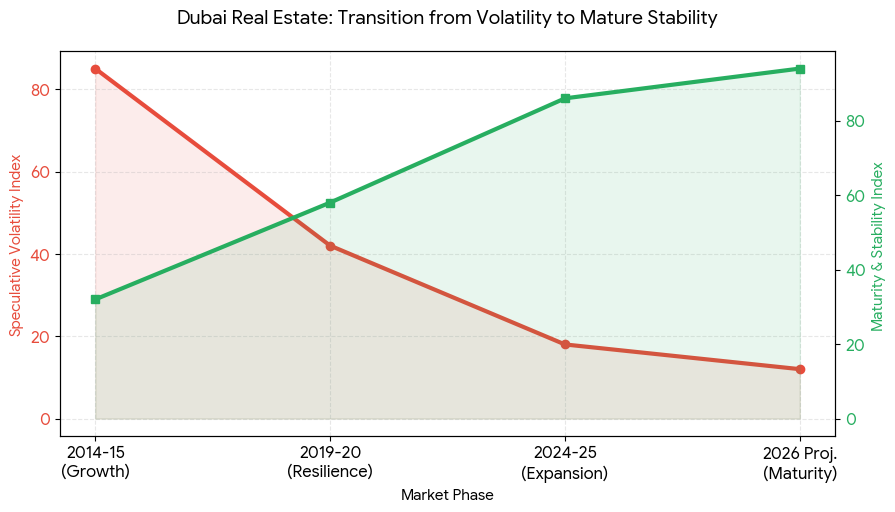
The foundation of Dubai’s maturity milestone lies in its historical transformation. Over the past two decades, the market has evolved from a speculative frontier into a regulated, high-demand environment. After the 2008 crisis exposed structural weaknesses, reforms such as escrow regulations and mortgage caps created a more secure investment framework. By 2026, the market is largely driven by end-users and cash transactions, significantly reducing systemic risk :contentReference[oaicite:0]{index=0}. This progression underpins the stability required for the 2033 strategy to succeed.
REES Dubai and the Rise of PropTech Infrastructure
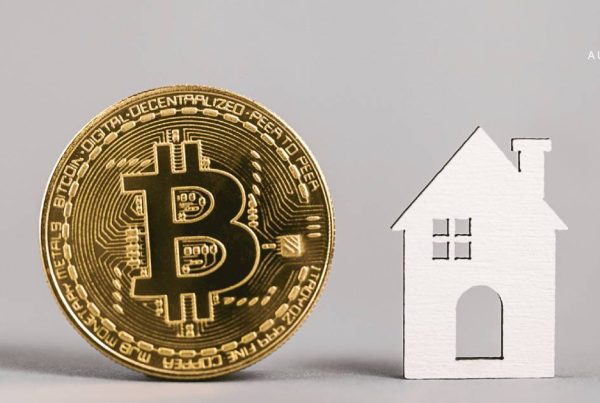
At the core of the Dubai Real Estate Strategy 2033 is the Real Estate Evolution Space (REES), a PropTech initiative designed to centralize market data and enhance transparency. REES is introducing blockchain-based systems, AI-driven analytics, and digital escrow mechanisms to streamline transactions and reduce fraud. One of its most transformative elements is property tokenization Dubai, which enables fractional ownership by converting title deeds into digital assets. This innovation is expected to expand investment accessibility and increase market liquidity.
Property Tokenization Dubai and Fractional Ownership
Property tokenization Dubai represents a structural shift in how real estate is owned and traded. By dividing assets into smaller digital shares, investors can participate in high-value properties with reduced capital requirements. This model not only democratizes access but also creates a secondary market for real estate assets, improving liquidity. The initiative is projected to contribute significantly to the overall growth of investment portfolios, aligning with the strategy’s long-term targets.
The 20-Minute City Model and Urban Efficiency
The Dubai 20-minute city neighborhoods concept is redefining urban living by ensuring that essential services are accessible within a short walk or commute. Pilot districts such as Al Barsha 2, Al Khawaneej 2, and Al Mizhar 1 are being redesigned with pedestrian-friendly infrastructure, cycling paths, and integrated community hubs :contentReference[oaicite:1]{index=1}. This human-centric approach enhances quality of life while reducing reliance on long commutes, making these areas increasingly attractive for both residents and investors.
Dubai 2040 Urban Master Plan and Population Growth
The Dubai 2040 Urban Master Plan plays a critical role in supporting the 2033 strategy by aligning supply with population growth. With the city’s population expected to approach 5.8 million, the plan outlines the need for approximately 800,000 new residential units by 2033 :contentReference[oaicite:2]{index=2}. This structured expansion ensures that supply remains balanced, preventing the oversupply issues seen in earlier market cycles while supporting sustained demand.
Market Resilience and Performance Through Cycles
Dubai’s resilience is a defining characteristic of its real estate sector. The market has successfully navigated multiple global disruptions, including the 2008 financial crisis and the 2020 pandemic, each time emerging stronger. By 2026, transaction volumes reached record levels, reflecting strong demand and investor confidence :contentReference[oaicite:3]{index=3}. This consistent performance reinforces the perception of Dubai as a stable and reliable investment destination.
Investor Behavior and the Shift to Long-Term Ownership
The maturity of the market is also reflected in changing investor behavior. Short-term speculative flipping has been replaced by long-term ownership strategies focused on rental income and capital preservation. Programs such as the Golden Visa have further encouraged this shift by linking property investment to long-term residency. As explored in market maturity analysis, this trend is creating a more stable and predictable investment environment.
Human-Centric Development and Lifestyle Integration
Beyond financial metrics, the strategy emphasizes human-centric development. Projects aligned with the 20-minute city model integrate residential, commercial, and recreational spaces to create self-sustaining communities. Insights from urban development analysis highlight how this approach is enhancing livability while supporting long-term property value.
Strategic Outlook for Investors
For investors, the Dubai Real Estate Strategy 2033 represents a shift toward a more predictable and transparent market. Opportunities are increasingly aligned with infrastructure, technology, and long-term demand drivers rather than short-term price movements. Strategic insights from market forecast analysis emphasize the importance of early positioning in emerging districts and technology-driven developments.
Conclusion
Dubai Real Estate Strategy 2033 marks the culmination of the city’s transition into a mature global real estate hub. By integrating PropTech innovations, human-centric urban planning, and robust regulatory frameworks, Dubai is creating a stable and transparent market that attracts long-term capital. This maturity milestone positions the city as a benchmark for sustainable real estate development in an increasingly complex global environment.
FAQs
Q: What is the Dubai Real Estate Strategy 2033?
A: It is a roadmap aimed at doubling the sector’s GDP contribution and transforming the market into a sustainable global leader.
Q: What is REES in Dubai real estate?
A: REES is a PropTech initiative that integrates AI and blockchain to improve transparency and efficiency.
Q: What is property tokenization?
A: It allows real estate assets to be divided into digital shares for fractional ownership.
Q: What are 20-minute city neighborhoods?
A: These are areas designed so that essential services are accessible within a short walk or commute.
Q: Why is Dubai considered a mature real estate market?
A: Strong regulations, high demand, and long-term investor behavior have created stability and resilience.
Aurantius Real Estate helps investors align with Dubai’s future-focused strategy to secure sustainable and high-value property investments.