
Croatian Buyers Increasingly Turn to Dubai’s Property Market Amid Rising Domestic Prices
As property prices continue to rise across Croatia and sales volumes begin to cool, a growing number of Croatian investors are widening their search for real estate opportunities outside the European market. One destination, in particular, is capturing their attention at an accelerating pace: Dubai. With its dynamic economy, expanding infrastructure, and investor-friendly environment, Dubai is emerging as a preferred international gateway for Croatian buyers seeking higher value and stronger long-term returns.
According to Branko Papeš, owner of the Rijeka-based brokerage Dogma Nekretnine, the shift in interest is unmistakable. His agency, which already operates in Slovenia, Serbia, and Bosnia and Herzegovina, has recorded around 40 property transactions in Dubai in 2025 alone. Papeš notes that Dubai, once perceived as distant or inaccessible, is now viewed as a realistic investment destination—often more attractive than local options.
“Around 70 percent of our clients who bought property in Dubai had never even visited the city before,” Papeš explained. This growing confidence reflects the transparency, stability, and lifestyle appeal that Dubai continues to build as a global real estate hub. The emirate’s consistent investor protections, tax-free environment, and high-quality developments resonate strongly with buyers from Central and Southeast Europe facing tighter housing markets at home.
Dubai’s Quality and Amenities Surprise First-Time Visitors
To help buyers understand what Dubai offers, Dogma Nekretnine recently organised a guided tour for approximately 40 investors from Croatia, Serbia, and Bosnia. Their itinerary included a visit to a completed residential development described locally as belonging to the “lower tier”—a classification referring not to height, but to construction standard. The group was astonished by what they found.
The building featured a six-metre-high entrance lobby, concierge service, terraces with private jacuzzis, comprehensive wellness facilities, gender-segregated saunas, and a wide range of sports amenities including tennis, padel, basketball courts, and indoor and outdoor playgrounds. For many participants, this level of lifestyle integration was unlike anything available in their domestic markets. Comparable modern communities such as Dubai Hills Estate, Dubai Marina, and Jumeirah Village Circle were highlighted as examples of Dubai neighbourhoods offering similar or even more advanced amenities.
Value Gap: Dubai vs. Croatian Urban Markets
Perhaps the greatest surprise was the pricing. Units in the showcased development were available for approximately 6,000 euros per square metre. Papeš compared this figure with Croatian cities to illustrate Dubai’s value advantage. Apartments of similar quality would likely reach 8,000 to 9,000 euros per square metre in Rijeka, 12,000 euros in Zagreb, and at least 13,000 to 14,000 euros in Split.
This price-to-quality ratio explains why many Croatian buyers are comparing Dubai’s master-planned communities with domestic offerings and seeing far higher value in the UAE. Premium developers such as Emaar, Sobha, and DAMAC also reinforce buyer confidence through transparent standards, timely delivery, and amenities that exceed typical regional benchmarks.
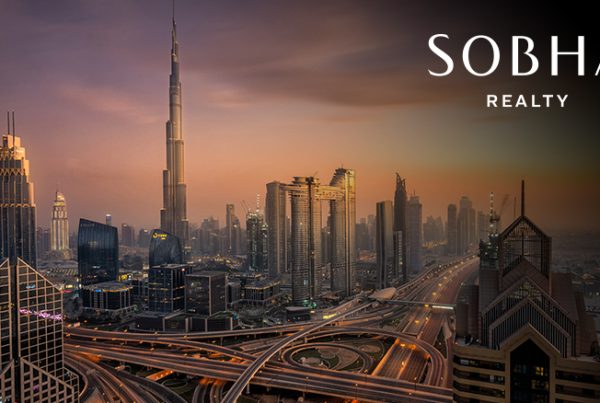
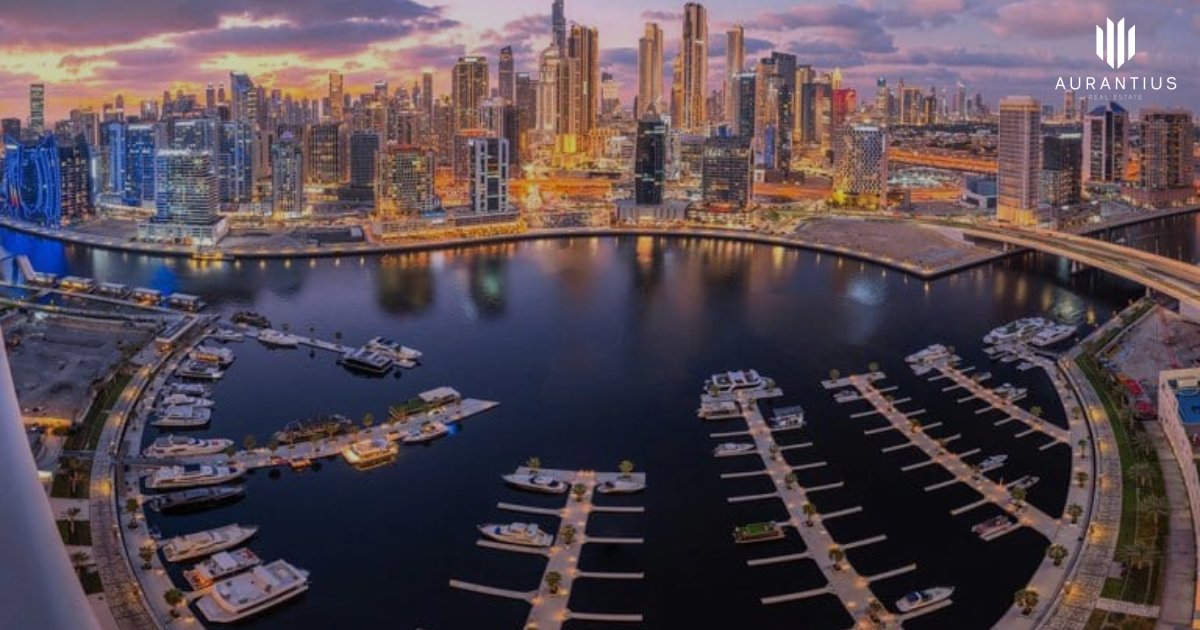
Papeš noted that his agency began organising curated Dubai property tours precisely because of surging demand. Buyers increasingly seek exposure to stable international markets—particularly those offering higher rental yields, capital appreciation potential, and modern infrastructure. Dubai’s communities such as Business Bay and Downtown Dubai were repeatedly cited as top picks among Croatian investors for both lifestyle and ROI considerations.
Why Croatian Investors View Dubai as the Future
Papeš describes Dubai as an “unusual but highly positive environment,” largely because of its pace of development, regulatory clarity, and constant innovation. For investors accustomed to slower bureaucratic processes and fragmented supply pipelines in Europe, Dubai’s coordinated urban planning stands out.
His closing comparison underscores the sentiment shared by many first-time international buyers: “If Europe is a car, Dubai is an aeroplane. We will never catch up—perhaps not even by the year 2200.” For Croatian investors seeking diversification, reliability, and premium lifestyle value, this acceleration is exactly what makes Dubai appealing.
As global interest continues to rise, Dubai’s appeal among European buyers is expected to strengthen, especially as new master communities, waterfront districts, and branded residences reshape the investment landscape. Locations such as Palm Jumeirah and MBR City remain among the most desirable, supported by strong developer ecosystems and long-term demand fundamentals.
For investors exploring opportunities beyond local borders, Dubai represents a combination of high-quality construction, predictable returns, and a lifestyle ecosystem unmatched by regional markets—positioning the emirate as a premier destination for Croatian buyers seeking long-term growth.
To explore investment opportunities tailored to international buyers, visit Aurantius Real Estate for expert guidance and curated property insights across Dubai’s most strategic communities.