
Dubai Real Estate 2026: Market Trends, ROI Insights & Investment Opportunities
Dubai real estate in 2026 is operating within a controlled adjustment phase rather than a broad-based collapse. Market signals show that while transaction volumes slowed during periods of geopolitical uncertainty, pricing across most segments has remained relatively stable when measured through actual transactions. Investors are increasingly distinguishing between stock market volatility and physical property performance, focusing on deal closures, rental yields, and district-level demand. In established zones such as Dubai Marina and Downtown Dubai, demand continues to be supported by international buyers and strong leasing ecosystems, reinforcing long-term asset stability.
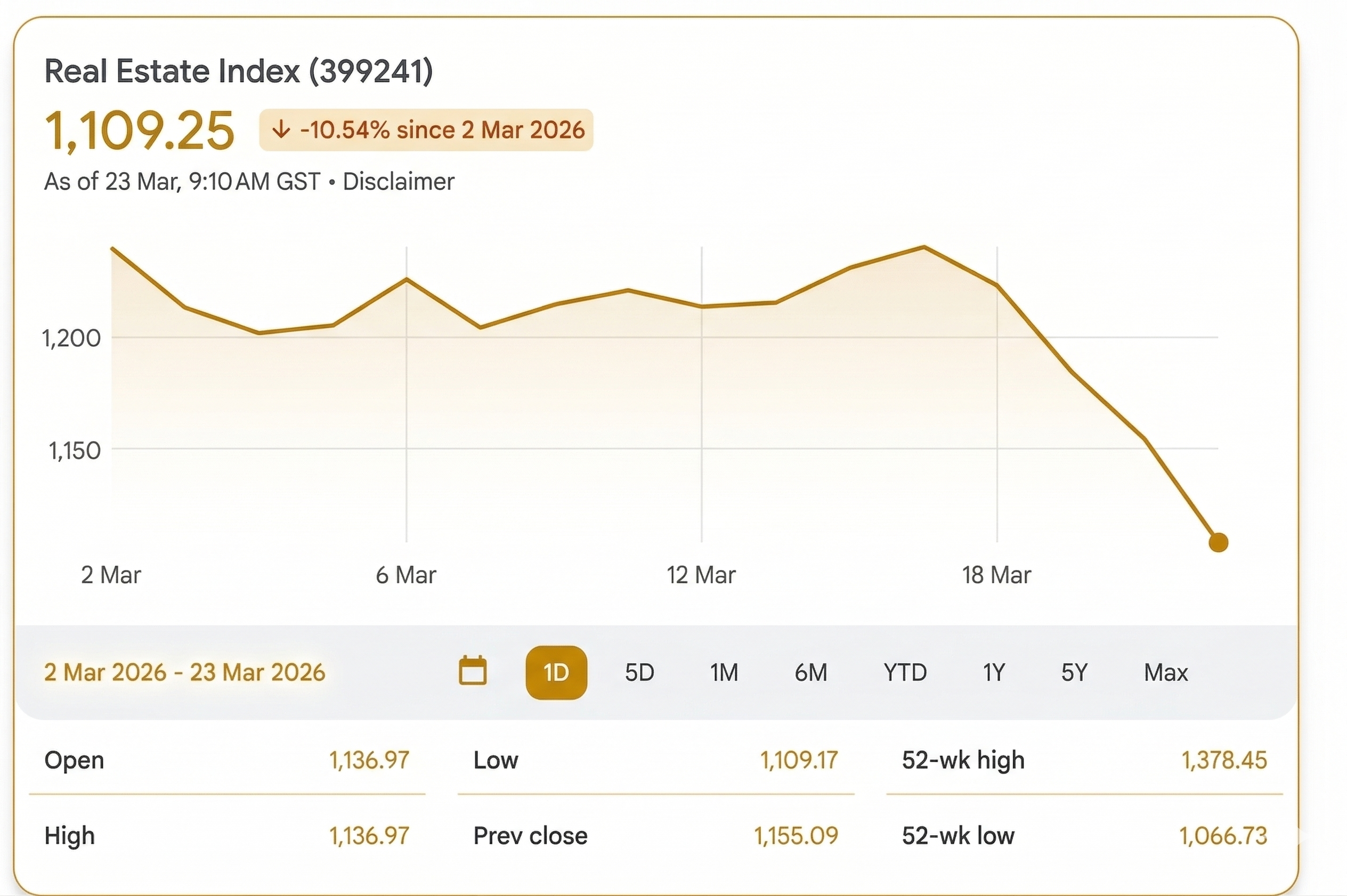
Transaction Volume vs Price Movement in 2026
One of the key dynamics shaping investor decisions in 2026 is the divergence between transaction volume and price movement. A slowdown in transactions does not automatically translate into a significant drop in property values. Instead, it reflects extended decision cycles and negotiation phases. Districts like Business Bay continue to benefit from corporate-driven rental demand, which supports occupancy rates even during slower sales cycles. Investors are analyzing real transaction data and avoiding reliance on headline-driven narratives, ensuring that pricing decisions are based on executed deals rather than speculative figures.
Dubai Real Estate Market Recovery Trends Across Major Crises
Dubai ke real estate market ne har major global crisis ke baad remarkable resilience dikhayi hai. 2008 ki Global Financial Crisis ke baad recovery ko lagbhag 6–7 saal lage, jisme regulatory reforms aur long-term initiatives jaise Expo 2020 ne key role play kiya. Is ke muqable mein, COVID-19 pandemic ke baad market ne sirf 12–18 mahino mein tezi se rebound kiya, jis ki wajah visa reforms, low interest rates aur villa demand mein surge tha. Ab 2026 ke current conflict ke dauran bhi market stability maintain kar raha hai, jahan central bank stimulus, developer incentives aur strong end-user demand recovery ko support kar rahe hain. Ye trends Dubai ki economic adaptability aur investor confidence ko highlight karte hain.
| Crisis Event | Recovery Timeline | Key Recovery Drivers |
|---|---|---|
| 2008 Global Financial Crisis | 6–7 Years | Regulatory reforms, debt restructuring, and Expo 2020. |
| COVID-19 Pandemic (2020) | 12–18 Months | Visa reforms (Golden Visa), low interest rates, and high villa demand. |
| Current Conflict (2026) | Ongoing | Central Bank stimulus, developer discounts, and end-user demand. |
ROI Trends and Rental Market Stability
Rental income remains a critical factor for investment evaluation in Dubai. Tools such as Calculate ROI Dubai Property are being used to assess net yields after factoring in service charges, maintenance, and vacancy risks. The Dubai Smart Rental Index 2026 indicates that rental demand remains stable across both mid-market and premium locations. Areas like Jumeirah Village Circle continue to offer attractive yield-driven opportunities, while premium zones maintain lower yields but stronger capital preservation potential.
Supply Pipeline and Off-Plan Market Activity
Dubai’s off-plan segment continues to expand with new launches contributing to future supply. Projects such as Breez by Danube, Pearl House 4, Golf Verge, Sera at Rashid Yachts & Marina, and Marina Cove highlight ongoing developer confidence in long-term demand. Additional developments including Peace Lagoons, Rove Home Marasi Drive, Twilight by Binghatti, Samana Resorts, and Iconic Tower demonstrate diversification across price segments and buyer profiles. Investors are increasingly comparing supply timelines, payment structures, and expected rental demand before committing to off-plan purchases.
Developer Strength and Market Confidence
Developer reputation remains a decisive factor in investment decisions. Established names such as Emaar, DAMAC, Sobha Realty, Nakheel, Meraas, and Select Group continue to influence buyer confidence through consistent delivery and strong community management. Investors are prioritizing projects backed by reliable developers to reduce execution risk and ensure long-term asset value.
Location-Based Investment Strategy in 2026
Location selection remains central to investment performance. Premium coastal areas such as Palm Jumeirah maintain their position as ultra-prime markets driven by limited supply and high-net-worth demand. Family-oriented communities like Dubai Hills Estate offer long-term stability through end-user demand and extended tenancy duration. Insights from Dubai Real Estate 2026 and the broader Dubai Real Estate Blog show that diversified location strategies are essential for balancing risk and return across different market segments.
Conclusion
Dubai real estate in 2026 reflects a market adjusting to external pressures while maintaining strong underlying fundamentals. Investment decisions are increasingly driven by data, including rental performance, supply absorption, and developer reliability. The market continues to present opportunities across multiple segments, with investors focusing on disciplined asset selection and long-term value rather than short-term speculation.
FAQs
Q: Is Dubai real estate declining in 2026?
A: The market is experiencing a temporary slowdown in transaction volume rather than a widespread price decline, with stability observed in prime and high-demand areas.
Q: Which areas offer the best ROI in Dubai currently?
A: Areas like Jumeirah Village Circle provide higher rental yields, while Dubai Marina and Business Bay offer a balance between yield and long-term appreciation.
Q: Are off-plan projects still a good investment?
A: Off-plan investments remain viable when backed by reputable developers and supported by strong location demand and structured payment plans.
Q: What factors should investors consider in 2026?
A: Investors should evaluate net ROI, developer credibility, supply pipeline, and rental demand before making decisions.
Q: How can investors track market performance effectively?
A: Investors should rely on transaction data, rental indices, and ROI tools rather than headline-based market assumptions.
Aurantius Real Estate provides data-driven insights and strategic guidance for property investors in Dubai.