
Meraas Expands Dubai Design District d3 Into a Waterfront Residential Neighbourhood, Signalling the Next Phase of Creative-Led Urban Demand
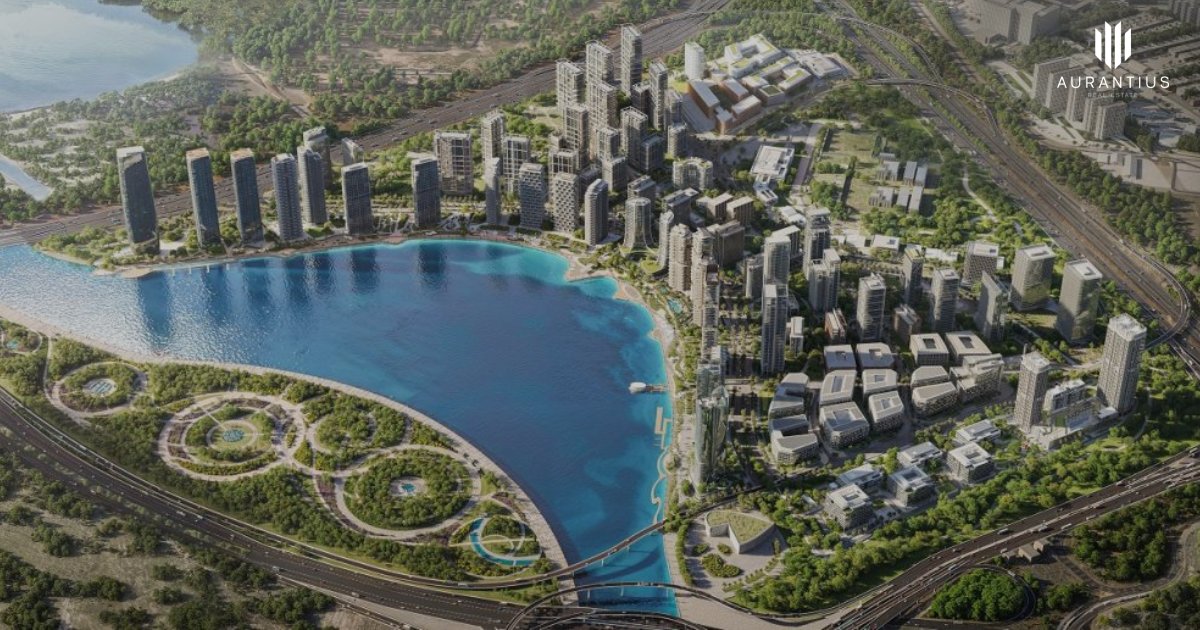
Meraas has unveiled an expanded residential masterplan for Dubai Design District (d3), positioning the district as a creative-led waterfront neighbourhood designed for long-term live-work demand. The announcement frames d3 as an integrated community built around canal-front living, cultural venues, public green space, and pedestrian-first streets. For investors, the core signal is the institutional commitment to scale a lifestyle and talent district into a residential address with durable pricing power tied to employment density and cultural identity.
The enhanced masterplan covers 18 million square feet of land located between Downtown Dubai and Dubai Creek, a corridor already defined by premium residential performance, Grade-A commercial growth, and a pipeline of hospitality-led activation. The location choice is market-facing: it places the neighbourhood within short travel time of Dubai’s established CBD and high-liquidity residential zones, while retaining adjacency to waterfront amenities and ecological assets. That proximity profile tends to compress vacancy risk for well-designed stock over the holding period.
The plan is structured around a blended program of residential, retail, hospitality, and cultural uses delivered by Meraas, reinforcing a broader trend in Dubai toward districts with identity-based demand rather than purely volume-led supply. Creative clusters create a different tenant and buyer mix than mainstream master communities. International talent inflows, studio-based SMEs, and event-led footfall can support consistent absorption when the district becomes operationally mature.
A defining element of the expansion is the Design Line, described as a shaded, pedestrian-first spine connecting the entire district. This design move matters in Dubai’s climate context where walkability typically depends on shading and microclimate planning. Pedestrian infrastructure, public art, and programmed community spaces support time-on-street and retail productivity, two indicators that influence yields in mixed-use districts. The plan targets LEED Silver community certification, pointing to energy efficiency and mobility integration as part of the positioning strategy rather than an afterthought.
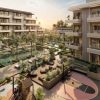
The masterplan outlines five character areas intended to diversify product and pricing. The canal-front zone introduces contemporary residences and boutique hospitality tied to an activated promenade. The urban core integrates residential with curated dining and retail linked to d3’s existing creative ecosystem. A cultural heart is planned around performance venues and mid-rise residences overlooking the d3 Bowl, a format that typically supports premium pricing for view corridors and event adjacency. A wellness-focused area is defined by parks and sports facilities with a mangrove-inspired landscape. A final area focuses on galleries, studios, and loft-style formats designed to support collaboration and artistic production. For investors, this segmentation reduces concentration risk by broadening end-user profiles across rental and owner-occupier demand.
Meraas positions the project within the Dubai Economic Agenda D33, a framework that prioritises economic diversification, talent attraction, and global competitiveness. The investment logic connects directly to residential demand: a district that attracts firms and professionals tends to generate sustained housing requirements close to workplaces, cultural venues, and transport links. Investors assessing execution risk typically focus on phasing and delivery cadence. Recent d3 launches cited in the announcement point to strong demand, including a rapid sell-out of Atelis and the launch of The Edit with a larger inventory base, suggesting market depth for design-led product when pricing and payment plans align with buyer expectations.
The developer context matters. Meraas operates within Dubai Holding Real Estate and has established a track record of delivering lifestyle districts with strong retail activation. Investors often benchmark district-level performance against comparable premium areas such as Business Bay for mixed-use intensity, Dubai Marina for waterfront liquidity, and Palm Jumeirah for global brand recognition and ultra-prime pricing. The d3 proposition aims to create a differentiated demand driver anchored in design and innovation rather than purely leisure or tourism.
In parallel, Dubai’s broader off-plan market remains a key channel for capital allocation, with multiple developers competing on product design, amenities, and payment terms. Projects across the market illustrate the breadth of supply themes currently attracting buyers, including lifestyle-led urban inventory such as Rove Home Marasi Drive, waterfront positioning such as The Bristol, district planning around community infrastructure such as Terra Heights, branded amenity packages such as Breez by Danube, and resort-style concepts such as Samana Resorts. These listings reflect how buyers are segmenting toward either lifestyle destinations or yield-optimised unit formats depending on risk appetite and holding horizon.
Developer selection remains a central diligence factor as supply grows. Investors often compare delivery history and community activation across developers such as Emaar, Nakheel, DAMAC, Sobha Realty, and Select Group. District-level performance is rarely driven by architecture alone. It is shaped by handover execution, service charge sustainability, tenant experience, and the ability to maintain retail vitality across cycles.
Neighbourhood connectivity also influences rental resilience. As Dubai continues to expand its residential corridors, value-led districts such as Jumeirah Village Circle often capture demand through price accessibility, while premium master communities such as Dubai Hills Estate attract families seeking schools, parks, and long-term liveability. The d3 masterplan competes in a different lane, targeting residents who prioritise proximity to creative employment, culture, and an urban waterfront setting.
Aurantius Real Estate supports investors evaluating Dubai’s district-driven opportunities through market intelligence, comparable analysis, and access to curated off-plan and ready properties across prime and emerging locations. For buyers assessing design-led waterfront neighbourhoods and developer-led masterplans, Aurantius Real Estate provides structured guidance aligned with capital preservation, yield discipline, and long-hold value creation.