
Etihad Rail Passenger Network: How the UAE’s National Rail Map Reshapes Mobility, Urban Growth, and Real Estate Connectivity
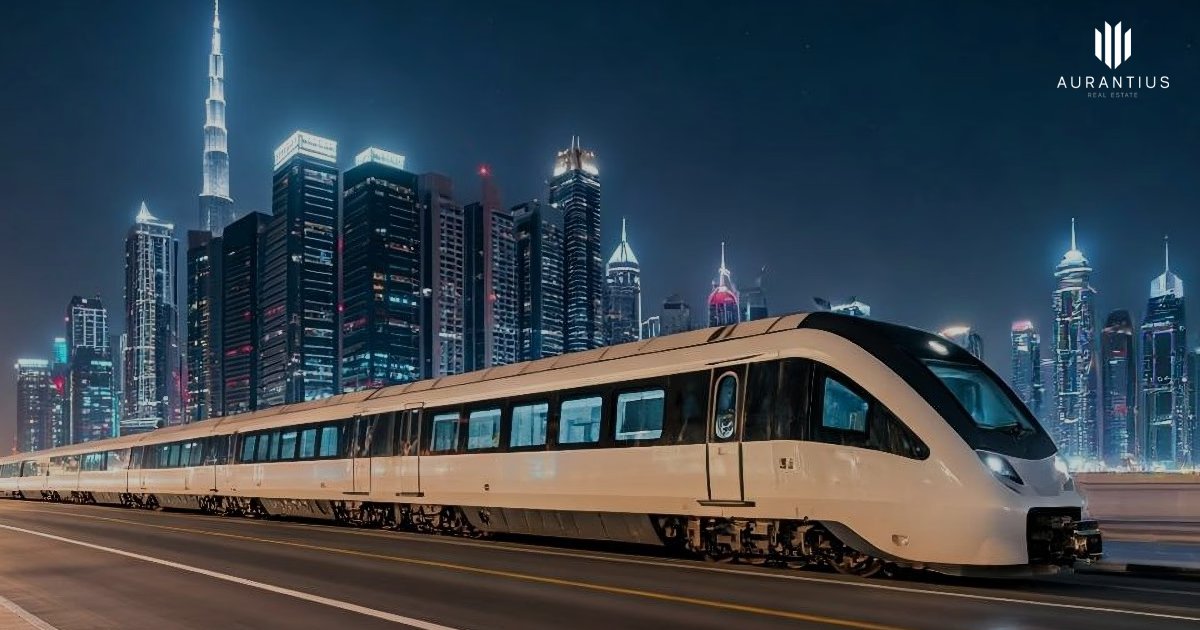
The launch of Etihad Rail’s passenger network marks a structural shift in how people, capital, and economic activity move across the UAE. Designed as the country’s first national railway for passengers, the system connects eleven stations across diverse geographies, ranging from remote border towns to major metropolitan hubs. The rail corridor introduces a new layer of national connectivity that complements highways, aviation, and metro systems, reinforcing the UAE’s long-term infrastructure strategy.
Stretching from Al Sila near the Saudi border to Sakamkam in Fujairah, the network creates a continuous east–west and north–south spine. This alignment links desert communities, coastal towns, industrial zones, and academic centers into a single mobility framework. From an investment perspective, national rail connectivity historically correlates with improved labor mobility, regional tourism growth, and gradual repricing of under-connected locations.
Western Abu Dhabi anchors the network through Al Sila, Al Dhannah, and Al Mirfa. These stations serve communities shaped by energy infrastructure, logistics, and coastal lifestyles. Al Dhannah’s transformation from a fishing village into an ADNOC-supported urban hub illustrates how infrastructure investment catalyzes long-term urbanization. Rail access reinforces these dynamics by reducing travel friction to Abu Dhabi city and onward destinations.
The southern inland loop toward Madinat Zayed and Mezairaa connects culturally significant towns tied to heritage tourism and desert activities. These areas host major festivals, oasis settlements, and eco-tourism attractions. Passenger rail introduces scalable access for domestic tourism, creating secondary demand for hospitality, short-term accommodation, and service-sector employment over time.
Central Abu Dhabi’s station in Mohammed Bin Zayed City positions the capital within a broader national commute network. Proximity to Musaffah and industrial corridors strengthens workforce mobility between residential districts and employment centers. Over the medium term, such connectivity supports stable residential demand and improves the appeal of master-planned suburban communities.
As the line progresses toward Dubai, Al Faya plays a strategic role as a logistics and freight node. The coexistence of passenger and freight infrastructure at this location underscores Etihad Rail’s dual economic mandate. Freight volumes projected to reach 20 million tons by 2030 support industrial real estate and supply chain efficiency, indirectly reinforcing residential stability in adjacent corridors.
Dubai’s sole Etihad Rail passenger station at Jumeirah Golf Estates integrates national rail with existing metro infrastructure. This intermodal connection enhances accessibility to established residential and lifestyle districts. Areas such as Dubai Marina and Palm Jumeirah remain primary lifestyle destinations, while improved regional access strengthens Dubai’s position as a central node for domestic travel and tourism.
Rail connectivity also complements Dubai’s commercial districts. Improved access to Business Bay and Downtown Dubai supports commuter flows and reinforces office demand resilience. National rail does not replace metro systems but extends Dubai’s labor catchment across emirate borders, a factor increasingly relevant for multinational employers.
Sharjah’s University City station introduces a direct rail link for one of the country’s largest academic clusters. Thousands of students and faculty gain national connectivity, supporting education-driven mobility and affordable housing demand. This dynamic aligns with sustained interest in value-oriented residential districts such as Jumeirah Village Circle, where price accessibility and rental depth attract long-term tenants.
The eastern terminus at Al Dhaid and Sakamkam extends the rail corridor into agricultural and heritage zones of Sharjah and Fujairah. These regions benefit from improved access to markets and tourism flows. Over time, enhanced connectivity may support selective residential growth and hospitality development, particularly as domestic travel preferences diversify.
From a development standpoint, national rail infrastructure strengthens the investment case for master-planned communities delivered by established developers. Groups such as Emaar, DAMAC, Sobha Realty, Nakheel, and Meraas continue to align residential planning with transport accessibility, lifestyle infrastructure, and employment proximity.
For investors, Etihad Rail’s passenger network represents a long-duration infrastructure asset with indirect real estate implications. Improved national mobility supports labor participation, domestic tourism, and regional integration. These factors contribute to rental stability and long-term value preservation across connected urban nodes.
Aurantius Real Estate monitors the intersection of infrastructure development and property markets across the UAE. By aligning real estate strategy with transport-led growth patterns, Aurantius Real Estate provides investors with structured access to opportunities shaped by national initiatives such as Etihad Rail and the evolving urban landscape of the Emirates.