
UAE to Add 390,000 New Residential Units by 2030: What It Means for Buyers and Investors
The UAE property market is entering its next major supply cycle. According to a new industry report, the country is expected to add approximately 390,000 new residential units by 2030, bringing total housing stock to around 1.51 million units.
On the surface, that sounds like “oversupply.” In reality, it signals a maturing, more structured market especially in Dubai and Abu Dhabi where master-planned communities and lifestyle-led developments are becoming the norm.
Where the New Supply Is Concentrated
Dubai continues to lead residential expansion, with apartment-led mixed-use developments dominating upcoming launches. These projects are typically integrated with retail, schools, green spaces, and transport links designed for long-term liveability rather than short-term speculation.
Abu Dhabi, on the other hand, is seeing a stronger focus on premium villas and waterfront communities, catering to high-income residents and lifestyle-driven buyers.
For buyers exploring Dubai specifically, high-growth areas like Downtown Dubai, Jumeirah Village Circle (JVC), and Meydan City remain central to absorption trends.
Will 390,000 Units Create Oversupply?
Not necessarily.
Historically, projected deliveries are often higher than actual handovers due to construction timelines and phased execution. More importantly, demand in the UAE remains structurally supported by:
- Golden Visa expansion and long-term residency confidence
- Strong expatriate inflows
- International capital relocation
- Infrastructure-led growth
Supply is increasing but it is increasingly demand-led and strategically phased.
The Shift Toward Off-Plan Communities
One of the clearest trends in 2026 is the preference for off-plan communities offering flexible payment plans and lifestyle positioning.
Buyers today are not just purchasing square footage. They are buying:
- Community infrastructure
- Green spaces and walkability
- Branded amenities
- Future resale positioning
If you’re exploring current off-plan inventory aligned with this trend, consider:
• Binghatti Skyrise
• Rosewell by NSHAMA
• Equiterra by Emaar
• Golf Lane
• Sera at Rashid Yachts & Marina
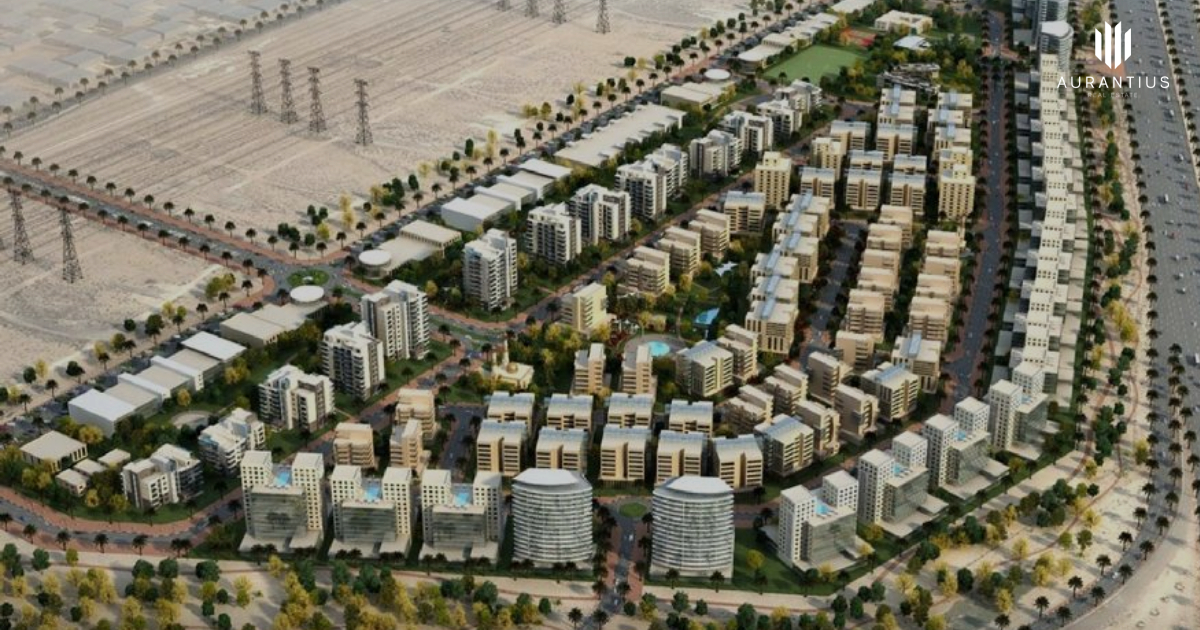
Master-Planned Communities Will Dominate Absorption
Future absorption will favour integrated, well-designed developments over standalone buildings.
Communities such as Dubailand, Creek Beach, and Expo Living reflect this model combining residential, retail, education, and lifestyle elements.
Developers like Binghatti and other established names are increasingly launching within structured, infrastructure-backed corridors rather than speculative pockets.
Quality Over Quantity: The Real Filter
While 390,000 units sounds substantial, not all supply performs equally.
Sub-markets with:
- Strong infrastructure connectivity
- Clear developer track record
- Realistic pricing
- Practical layouts
are expected to maintain pricing support and steady absorption.
Meanwhile, projects that lack location strength or delivery credibility may face pricing pressure.
What Smart Buyers Should Do in This Cycle
1. Focus on execution track record.
Choose developers and communities with visible construction progress and proven delivery history.
2. Compare payment plan structures.
In a higher-supply cycle, flexible payment plans become negotiation tools.
3. Think 5–7 years ahead.
Short-term headlines fluctuate. Community maturity and infrastructure development determine long-term value.
4. Avoid purely speculative hype launches.
Look for genuine end-user demand indicators.
The Bigger Picture
The UAE real estate market is not slowing it is professionalising.
Phased launches, mixed-use planning, sustainability integration, and infrastructure-backed communities are replacing rapid speculative expansion cycles.
For investors and end-users, this means more choice but also more responsibility to select correctly.
In the next supply wave toward 2030, winners won’t be those who buy first but those who buy right.