
Why Global Investors and Ultra-Luxury Buyers Are Flooding the Market?
As Dubai moves deeper into 2026, the property market has entered a new era of super-maturity, breaking both local price records and global expectations. This is no longer just a story of rising prices or short-term excitement. It is a story of capital preservation, strategic migration of wealth, and long-term positioning in one of the world’s most tax-efficient and infrastructure-led real estate markets. For many international buyers, Dubai Real Estate 2026 now represents something bigger than lifestyle or speculative upside. It has become a geopolitical hedge. At a time when many global markets are struggling with political volatility, inflation pressure, or weak rental performance, Dubai is increasingly viewed as a stable financial fortress where investors can combine strong rental returns, legal clarity, residency benefits, and scarcity-driven luxury ownership. This shift is one of the main reasons foreign capital is accelerating into the market rather than stepping back.
2026 Market Performance Snapshot
| Metric | Q1 2026 Figures | Year-on-Year Change |
|---|---|---|
| Total Sales Value | ~AED 176.7 Billion | +23.4% |
| Transaction Volume | ~48,000 deals | +5.5% |
| Off-Plan Share | ~70% of volume | Significant Lead |
| Luxury Sales ($10M+) | 111+ transactions | Record Levels |
| Median Villa Price | AED 4.1 – 4.3 Million | +35.3% (Primary) |
The Safe-Haven Effect Is Driving a New Type of Buyer
The most important change in Dubai Property Market Trends in 2026 is the type of buyer entering the market. Earlier cycles were heavily associated with opportunistic investors chasing price spikes. Today, the market is increasingly led by buyers focused on wealth preservation, income stability, and residency flexibility. This is why Dubai is behaving less like a speculative hotspot and more like a mature safe-haven destination. The UAE dirham’s peg to the US dollar reduces currency volatility, while the 0% tax structure on rental income and capital gains makes net returns far more attractive than many global alternatives. This matters especially for high-net-worth individuals, family offices, and internationally mobile investors who are now prioritizing resilient jurisdictions over purely fashionable ones. For wider market context, Dubai property sales are booming in 2026 despite global tensions and why investors trust Dubai real estate in 2026 capital growth explained show how this safe-haven demand is now anchored in market fundamentals rather than emotion alone.
Why Rental Yields Still Make Dubai One of the World’s Best Investment Markets
One of the strongest reasons global buyers continue to pursue Dubai Property Investment is the income side of the equation. In 2026, Dubai rental yields remain among the most competitive in the world, with average gross returns often ranging from 6% to 9% depending on the area and property type. That places Dubai far ahead of markets such as London, New York, and Singapore in pure yield terms. This is crucial because a safe-haven market without income is only defensive. Dubai offers defense with cash flow. High-yield corridors such as Jumeirah Village Circle and Dubai Silicon Oasis remain attractive for yield-focused investors, while premium districts offer a different balance between income and capital security. The point is not that every buyer wants the same thing. It is that Dubai now offers enough segmentation for investors to match asset type to strategy, whether that means immediate rental income, medium-term appreciation, or luxury capital preservation.
Summary of Ultra-Prime Performance
| Category | Record / Key Figure | Note |
|---|---|---|
| Most Expensive Apartment (2026) | AED 422 Million | Aman Residences, Jumeirah |
| Highest Sale Value (2025/26) | AED 550 Million | Bugatti Residences Penthouse |
| Ultra-Prime Growth (YoY) | 5% to 8% | Outperforming mid-market segments |
| $10M+ Sales Volume | ~500 deals/year | A massive increase from 2021 levels |
Ultra-Luxury Homes Dubai Has Entered the Trophy Asset Era
The luxury segment is no longer just an extension of the wider market. It has become its own global category. Ultra-Luxury Homes Dubai are now competing directly with Monaco, London, and New York, but with stronger tax advantages and increasingly stronger international demand. In 2026, the market has recorded some of the most headline-making residential transactions in UAE history. A penthouse at Bugatti Residences sold for AED 550 million, setting a new benchmark for residential penthouse pricing in the country. At the same time, Aman Residences Dubai recorded a AED 422 million apartment sale, proving that trophy buyers are still deploying capital into branded and scarcity-led assets at an exceptional level. These are not random anomalies. They are signs of a market where top-tier wealth now sees Dubai as a legitimate place to store, protect, and grow capital. Waterfront land scarcity, branded residence premiums, and ultra-high-end design standards are pushing this segment into a new class of global relevance.
Palm Jumeirah, Downtown, and the Rise of Scarcity-Driven Pricing
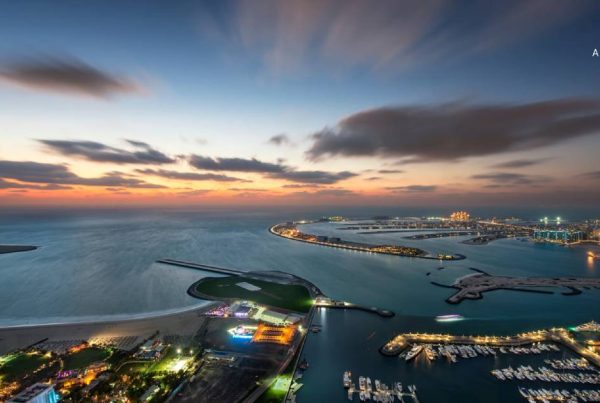
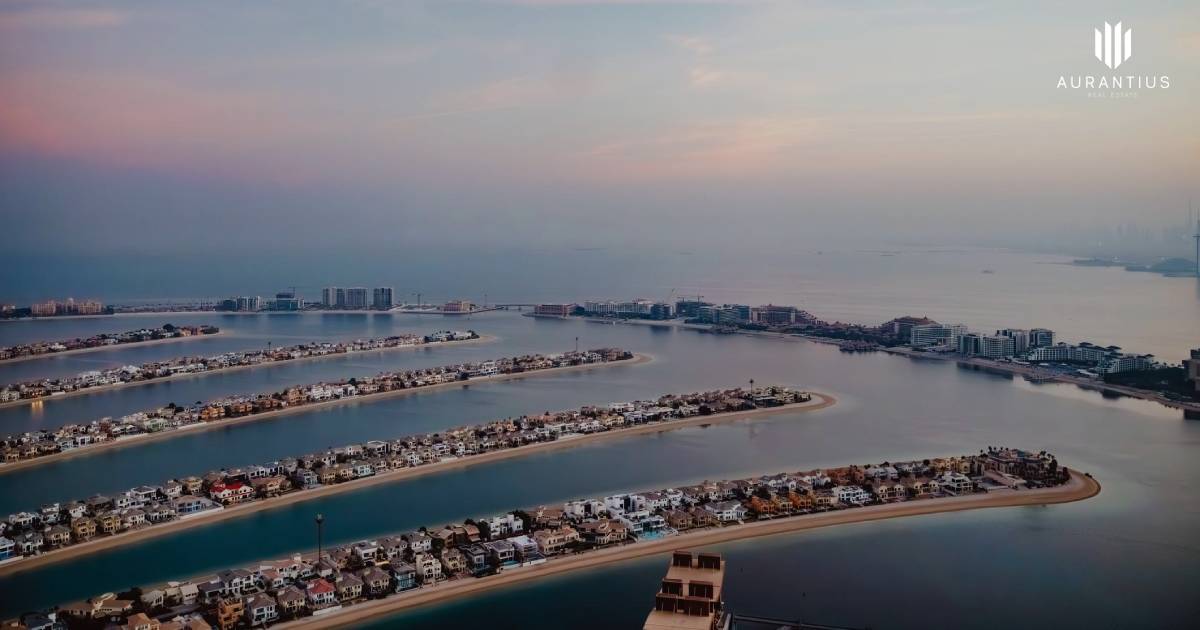
The districts leading this shift are not surprising, but their strategic role is becoming stronger. Palm Jumeirah remains one of the city’s most powerful luxury defensive zones because no comparable new waterfront land can be created at scale. That scarcity continues to support Palm Jumeirah property prices even in periods of global uncertainty. Downtown Dubai remains the urban prestige core, combining global recognizability with strong liquidity and premium branded product. Dubai Marina still attracts investors seeking a mix of waterfront appeal, strong occupancy, and resale visibility. What matters in 2026 is that these districts are no longer judged only by glamour. They are being priced according to scarcity, connectivity, and long-term defensibility. This is exactly why the market is becoming more mature: buyers are increasingly paying for strategic value, not just image.
Dubai Golden Visa 2026 Has Turned Property Into a Residency Strategy
Another major reason foreign capital is moving so aggressively into the market is that property now acts as a residency tool as well as an investment asset. Dubai Golden Visa 2026 continues to be one of the strongest structural incentives for global buyers. With a qualifying property threshold of AED 2 million, investors can access a 10-year residency pathway that provides long-term optionality for families, entrepreneurs, and globally mobile professionals. This changes the nature of the purchase. Buyers are no longer asking only whether they can buy. They are also asking how ownership can create a second base, a hedge against instability elsewhere, and a long-term legal foothold in a stable jurisdiction. For readers who want the legal ownership side explained more directly, can foreigners buy property in Dubai complete 2026 guide helps connect this residency logic with actual ownership rules.
The Connectivity Premium Is Becoming More Important Than Ever
One of the less visible but extremely important forces behind Dubai Real Estate 2026 is the connectivity premium. New infrastructure such as the Metro Blue Line and broader expansion corridors linked to the Al Maktoum Airport ecosystem are beginning to reshape long-term pricing logic. Investors are increasingly looking not only at current district prestige, but also at how new transport links and urban planning will reprice communities over time. This is part of the reason yield-focused and growth-focused buyers continue to monitor communities beyond the ultra-prime segment. It is also why many investors now treat Dubai as a full-spectrum market rather than a city of isolated hotspots. The city’s next phase of growth is being built through connectivity, planning, and infrastructure, which is one more reason its investment case looks more durable than speculative.
Why This Matters Right Now for Global Investors
The urgency in the market comes from a combination of demand, scarcity, and changing buyer behavior. Waterfront trophy assets are limited. Prime branded projects are capturing premium pricing. Foreign buyers are increasingly treating Dubai as a permanent portfolio allocation rather than a short-term trade. And in many mid-market and prime segments alike, the best opportunities tend to narrow once wider confidence returns and the market fully reprices. This is why is now the right time to buy property in Dubai remains such an important question. The answer is increasingly yes for disciplined investors who understand that Dubai’s current boom is not just about price momentum. It is about the city’s role as a neutral, tax-efficient, infrastructure-led wealth hub. For more segment-specific context, Dubai luxury real estate market 2026 sees strong growth despite regional uncertainty shows how this exact trend is unfolding at the high end of the market.
Conclusion
Dubai Real Estate 2026 is no longer just a high-growth property story, because it has matured into a global safe-haven market where rental yield, residency incentives, infrastructure expansion, and scarcity-driven ultra-luxury demand are all working together to attract serious long-term capital.
FAQs
Q: Why are foreign investors flooding Dubai real estate in 2026?
A: Foreign investors are attracted by high rental yields, zero local property and capital gains tax, a stable currency environment, Golden Visa residency options, and Dubai’s growing safe-haven reputation.
Q: Are ultra-luxury homes in Dubai really setting new records?
A: Yes, the market has already recorded landmark transactions including a AED 550 million penthouse at Bugatti Residences and a AED 422 million apartment at Aman Residences Dubai.
Q: What are the best areas for luxury and capital preservation?
A: Palm Jumeirah, Downtown Dubai, Dubai Marina, and selected ultra-prime waterfront districts remain among the strongest areas for defensive luxury ownership and long-term value retention.
Q: Does the Golden Visa still matter for property investors in 2026?
A: Yes, the Golden Visa remains one of the strongest structural incentives because qualifying property investment can unlock long-term UAE residency and turn real estate into a lifestyle and security strategy.
Q: Is Dubai still a speculative market or a mature one now?
A: It is increasingly a mature market, with more emphasis on long-term wealth preservation, yield, infrastructure-led appreciation, and trophy asset demand rather than quick flipping.
Aurantius Real Estate helps investors identify which Dubai opportunities still combine yield, scarcity, and long-term strategic value before the wider market fully prices them in.