
Buy Ready Property in Dubai 2026: The Secondary Market Blueprint for End-Users
The phrase “ready-to-move-in” has completely redefined Dubai’s real estate landscape in 2026. After years of explosive off-plan dominance, a shift in buyer psychology, rental pressure and handover delays has pushed end-users back toward the secondary market.
For buyers looking to secure a permanent home, the strategy is no longer about chasing speculative launches. It is about finding a tangible property that can be inspected, financed, transferred and occupied now.
Whether you want to stop paying rising annual rent, avoid developer delivery delays, buy a vacant-on-transfer apartment, or secure a ready villa for your family, this 2026 blueprint explains how to navigate Dubai’s secondary property market with confidence.
For wider context on the ready-home opportunity, read Buying a Ready Home in Dubai: 2026 Market Correction Guide.
Why Ready Homes Are Back in Demand in 2026
Dubai’s secondary market is being driven by maturity, practicality and buyer certainty. During the 2021 to 2024 boom, many buyers focused heavily on off-plan launches because payment plans were attractive and capital appreciation felt automatic.
In 2026, the buyer mindset has changed. End-users want homes they can physically inspect. Families want to move now, not wait three or four years. Mortgage buyers want a completed asset that banks can value. Renters want to stop absorbing annual rent increases and start building equity in a property they own.
This is why ready property has become more than a fallback option. It has become a strategic purchase route for serious buyers who value certainty over speculation.
The Rent vs Buy Tipping Point
One of the biggest reasons buyers are returning to the ready market is the rent-versus-buy calculation.
Dubai’s rental market has remained active, and many tenants are now asking whether it makes sense to continue paying rent every year when the same monthly outflow could support mortgage payments on a property they own.
For end-users, this is not only a financial question. It is also a lifestyle question. Owning a ready home gives stability, control over interiors, protection from annual rent pressure, and a clearer long-term base in Dubai.
A buyer who purchases correctly can step out of the rental cycle and into ownership immediately. That is something off-plan property cannot offer until handover.
For broader market strategy, read Dubai Real Estate Expert Forecast 2026: Rental, Secondary and Off-Plan Trends.
Ready Property vs Off-Plan: What Changed?
Off-plan property still has advantages. It can offer staged payments, new layouts, modern amenities and long-term capital growth in the right location. But it also carries waiting risk, delivery risk, future service-charge uncertainty and unknown handover quality.
Ready property is different. The buyer can inspect the unit, check the building, verify the view, review service charges, obtain mortgage valuation, complete transfer, and move in or rent the property quickly.
In 2026, buyers are no longer asking only, “Which project has the best payment plan?” They are asking, “Which asset gives me certainty, value, lifestyle and protection from future uncertainty?”
That question is bringing serious end-users back to the secondary market.
Where to Buy Ready Property in Dubai in 2026
Dubai’s ready-home market is not one uniform market. It is split into different categories depending on budget, lifestyle, commute, family needs and long-term capital goals.
Some buyers want established blue-chip communities with metro access, waterfront living and mature amenities. Others want emerging master communities where pricing is more accessible and future growth potential is stronger.
The right choice depends on whether you are buying for personal residence, family lifestyle, rental yield, capital preservation or future resale liquidity.
Established Blue-Chip Areas: Dubai Marina, JBR, Palm Jumeirah and Downtown
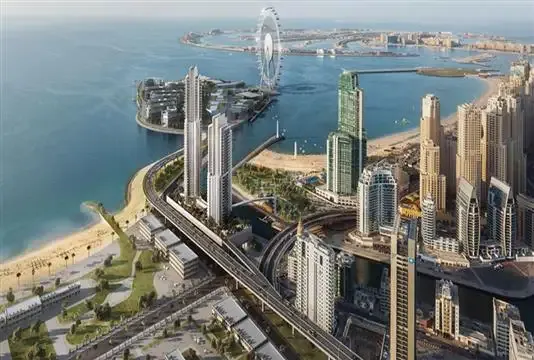
Dubai Marina, JBR, Palm Jumeirah and Downtown Dubai remain some of the most established ready-home locations in the city. These communities offer lifestyle, liquidity, retail, dining, transport access and global recognition.
For end-users, the main advantage is maturity. You are not waiting for the community to become livable. The infrastructure already exists. Restaurants, supermarkets, gyms, clinics, schools, transport links and lifestyle amenities are already operating.
The reality check is that some properties in these communities are older. Buyers should budget for upgrades, especially in apartments or villas that have not been renovated recently. HVAC systems, kitchens, bathrooms, flooring, windows and MEP systems may require attention.
These areas suit buyers who value lifestyle certainty, liquidity and prime location over the lowest entry price.
Emerging Ready-Home Hubs: JVC, Dubai Hills, Town Square, Arjan and Meydan
For buyers seeking better value, Dubai’s emerging ready-home hubs are important. Jumeirah Village Circle, ready phases of Dubai Hills Estate, Town Square, DAMAC Hills 2, Arjan and Meydan all appeal to different buyer profiles.
JVC is popular with young professionals, couples and small families because of its central road access and mid-market pricing. Dubai Hills Estate attracts families seeking parks, schools, retail and master-community planning. Town Square offers more affordable family living, while Arjan and Meydan provide access to newer inventory and future growth corridors.
The key is to avoid buying based only on community name. Building quality, service charges, parking, layout, maintenance history and resale demand matter heavily.
For area comparison, read Best Dubai Areas for Rental Yield and Capital Growth in 2026.
Vacant on Transfer: Why End-Users Should Prioritise VOT Units
For end-users, vacant-on-transfer property is one of the most important search filters in Dubai’s secondary market.
A property can be “ready” physically but not ready for you to occupy if it is sold with a sitting tenant. If the property is rented, the buyer must check the tenancy contract, Ejari, notice status and whether vacant possession is legally available.
In Dubai, buying a rented property can delay occupancy if the tenant has not been served the correct legal notice. For an end-user, this can defeat the purpose of buying ready property.
Vacant-on-transfer units may cost slightly more, but they can save rent, time, legal friction and uncertainty. If your goal is to move in quickly, VOT should be a priority.
The Financial Checklist: What Ready-Home Buyers Must Budget
Buying a secondary property requires more upfront liquidity than many off-plan payment plans. This is one of the biggest differences buyers must understand before entering the market.
For expatriate buyers, a minimum 20% down payment is commonly required for properties below AED 5 million, subject to bank approval and buyer profile. UAE nationals may have different financing terms depending on bank policy and eligibility.
But the down payment is not the only cost. Buyers must also budget for Dubai Land Department fees, agency fees, trustee fees, mortgage registration, valuation, conveyancing, moving costs, furnishing and potential maintenance work.
A safe buyer does not calculate only the advertised purchase price. A safe buyer calculates total cash required to complete and occupy the property.
Hidden Costs of Buying Ready Property in Dubai
The main transaction costs typically include the 4% Dubai Land Department transfer fee, agency commission, trustee office charges, mortgage registration fee if financed, valuation fee and bank-related costs.
Buyers should also budget for practical post-purchase costs. These may include repainting, deep cleaning, AC servicing, appliance replacement, minor repairs, furniture, curtains, lighting, internet setup and moving expenses.
If the property is older, renovation costs can be material. In prime established areas, it is common for buyers to spend additional capital upgrading kitchens, bathrooms, flooring, AC systems and interior finishes.
The safest approach is to build a full acquisition budget before signing Form F. Do not stretch only to meet the deposit if you cannot comfortably fund the full transaction and move-in costs.
Mortgage Pre-Approval: Do Not Start Without It
In the secondary market, mortgage pre-approval is not optional. It is a practical requirement.
Serious sellers and brokers want to know that the buyer can complete. If you are financing the purchase, a mortgage pre-approval gives confidence that the bank has reviewed your income, liabilities and eligibility before you make an offer.
Pre-approval also protects the buyer. It gives you a realistic budget and prevents you from wasting time on properties that exceed your financing capacity.
In 2026, with buyers becoming more data-driven and sellers more selective, pre-approval strengthens your negotiating position. It shows that you are not browsing casually; you are prepared to transact.
Paperwork Audit: What to Check Before Signing
Dubai’s real estate system is highly structured, but the buyer must still complete proper due diligence before signing.
First, verify the title deed. The seller’s name should match the title deed exactly. If there is a mortgage, power of attorney or company ownership structure, the documentation must be reviewed carefully.
Second, check the No Objection Certificate process. The developer or master community must confirm that there are no outstanding service charges before transfer can proceed.
Third, review the tenancy status. If the unit is rented, check Ejari, rental amount, expiry date, notice status and whether vacant possession is possible.
A ready home is only truly ready for an end-user if the legal and occupancy position is clear.
Physical Inspection: Do Not Skip the Survey
A ready property gives buyers one major advantage: the ability to inspect before buying. That advantage is wasted if the buyer does not use it.
Older Dubai properties, especially stock built before 2018, should be inspected carefully. AC systems, ductwork, water pressure, drainage, waterproofing, electrical load, windows, flooring, bathroom fittings and balcony condition should all be reviewed.
A professional home inspection may cost money upfront, but it can prevent expensive surprises later. AC replacement, hidden leaks, dampness, poor waterproofing or unapproved modifications can cost far more than the survey.
Buyers should inspect both the unit and the building. Common areas, elevators, parking, security, pool, gym, corridors and maintenance standards all affect long-term value.
Service Charges: The Silent Cost of Ownership
Service charges can materially affect the cost of owning a ready property in Dubai. This is especially important for buyers comparing different buildings in the same community.
A property with a lower purchase price may not be cheaper if service charges are high. Similarly, a premium building may justify higher charges if maintenance, amenities and management quality are strong.
Before buying, request the service charge history and check whether there are outstanding fees. Poorly managed buildings can suffer from deteriorating common areas, slow elevator repairs and weaker long-term resale value.
For end-users, service charges are not just an investor number. They affect your annual cost of ownership and the quality of the building you will live in.
The Dubai Secondary Market Transaction Timeline
A secondary-market purchase in Dubai can move quickly once documents and finance are aligned. A typical transaction may take around 30 to 45 days, depending on mortgage status, NOC timing, bank valuation and transfer readiness.
The process usually begins with signing Form F, also known as the Memorandum of Understanding. The buyer then provides a security deposit, typically held safely through the brokerage process according to agreed terms.
If the buyer is using a mortgage, the bank completes valuation and final mortgage offer steps. The seller then applies for developer NOC. Once NOC and finance are ready, the parties complete transfer at the trustee office.
The key to a smooth transaction is preparation. Mortgage pre-approval, clear seller documents, clean service-charge status and correct Form F terms reduce delays.
Form F: The Agreement That Controls the Deal
Form F is the legally binding purchase agreement used in Dubai property transactions. It sets out the purchase price, deposit, transfer timeline, payment terms, included items and responsibilities of both parties.
Buyers should not treat Form F as a casual document. Every important term should be clear before signing.
If furniture, appliances, curtains, lighting or fixtures are included, they should be listed clearly. If the property must be vacant on transfer, this should be stated. If there are specific maintenance repairs or handover conditions, they should be documented.
A clean Form F reduces disputes. A vague Form F creates risk.
Should You Buy an Upgraded Ready Home?
In 2026, upgraded ready homes can be very attractive because renovation costs in Dubai are significant. Materials, contractors, interior fit-outs and MEP upgrades can add substantial expense after purchase.
A home where the previous owner has already modernised the kitchen, bathrooms, wardrobes, flooring and lighting may be better value than a cheaper distressed unit that requires full renovation.
However, buyers should verify upgrade quality. Cosmetic work can hide deeper issues. Always check AC, plumbing, waterproofing, electrical work and whether any major modifications were approved where required.
The best upgraded homes are those where the finish is modern, the layout is practical, and the technical systems are sound.
Apartment or Villa: Which Ready Property Should You Buy?
The choice between apartment and villa depends on lifestyle, budget and long-term plans.
Apartments are usually easier to maintain, more accessible for smaller budgets and often located closer to metro, retail and business districts. They suit singles, couples, small families and buyers who want convenience.
Villas offer space, privacy, gardens, parking and stronger family lifestyle. They suit buyers with children, pets, staff requirements or long-term plans to settle in Dubai.
But villas also require more maintenance. AC systems, landscaping, waterproofing, pools, roofs and external structures need careful inspection.
The best ready property is not the biggest or cheapest. It is the one that matches your lifestyle, cost tolerance and holding period.
End-User Buyer Checklist for 2026
Get mortgage pre-approval first: Know your real budget before viewing properties.
Prioritise vacant-on-transfer units: This matters if you need to move in quickly.
Check title deed and seller identity: Make sure ownership is clear before signing.
Review service charges: Ask for past records and current outstanding amounts.
Inspect the property professionally: Do not rely only on visual impressions.
Check building quality: Elevators, parking, security and maintenance matter.
Confirm transaction costs: Include DLD fees, agency fees, trustee fees, mortgage costs and moving costs.
Read Form F carefully: Make sure all inclusions, timelines and handover terms are written.
Think resale early: Even if you are buying to live, future liquidity still matters.
For second-home buyers and investors, read How to Buy Your Second Property in Dubai’s Rebounding Market.
Common Mistakes Ready-Home Buyers Make
The first mistake is viewing without pre-approval. This wastes time and weakens negotiation power.
The second mistake is ignoring tenancy status. A buyer may think they are purchasing a move-in-ready home, only to discover that a sitting tenant has legal occupancy rights.
The third mistake is underestimating renovation costs. Older properties can look attractive on price but require serious capital after transfer.
The fourth mistake is not checking service charges. High annual charges can make a property more expensive to own than expected.
The fifth mistake is buying emotionally. End-users should love the home, but they must still check liquidity, building quality, costs and future resale demand.
How Aurantius Helps Ready-Home Buyers
Buying a ready home in Dubai requires more than finding a listing online. The buyer needs area selection, price benchmarking, document checks, negotiation, inspection support, mortgage coordination and transfer management.
Aurantius Real Estate helps end-users compare ready apartments and villas across Dubai’s secondary market, including blue-chip locations, family master communities and value-driven emerging hubs.
The goal is to help buyers avoid overpaying, avoid legal friction, avoid hidden maintenance issues and choose a home that works both for lifestyle and long-term value.
A ready home should give certainty. The right advisory process protects that certainty from the first viewing to final transfer.
FAQ: Buying Ready Property in Dubai in 2026
Question: Is buying ready property in Dubai a good idea in 2026?
Answer: Yes, ready property can be a strong option for end-users who want immediate possession, mortgage clarity, physical inspection and protection from off-plan delivery delays. The key is proper due diligence and fair pricing.
Question: What does vacant on transfer mean in Dubai?
Answer: Vacant on transfer means the property should be empty when ownership transfers to the buyer. This is important for end-users who want to move in immediately after completion.
Question: Is ready property better than off-plan in Dubai?
Answer: Ready property is better for buyers who need immediate use, physical certainty and faster mortgage completion. Off-plan can work for staged payments and future growth, but it carries handover and construction risk.
Question: What are the hidden costs of buying property in Dubai?
Answer: Hidden or additional costs may include DLD transfer fees, agency commission, trustee fees, mortgage registration, valuation, conveyancing, maintenance, furnishing and renovation expenses.
Question: Do I need mortgage pre-approval before viewing ready homes?
Answer: Yes. Mortgage pre-approval helps define your real budget and strengthens your offer with sellers. It is especially important in the secondary market where serious sellers prefer qualified buyers.
Question: How long does a Dubai secondary market transfer take?
Answer: A typical secondary market transaction can take around 30 to 45 days, depending on mortgage approval, bank valuation, developer NOC, seller readiness and trustee office completion.
Question: What should I inspect before buying a ready home?
Answer: Check AC, plumbing, electrical systems, leaks, waterproofing, flooring, windows, appliances, parking, common areas, elevators, service charges and the overall building condition.
Question: Can Aurantius help me buy a ready property in Dubai?
Answer: Yes. Aurantius Real Estate helps buyers compare ready apartments and villas, review pricing, check documents, negotiate offers, coordinate inspections and manage the secondary market purchase process.
Conclusion: Ready Homes Are the Practical Buyer’s Advantage in 2026
Dubai’s 2026 secondary market rewards buyers who are patient, analytical and prepared. Ready homes offer something that off-plan property cannot provide immediately: physical certainty, occupancy, mortgage clarity and control.
For end-users, this matters. A ready property allows you to escape the rental cycle, inspect the asset, understand the building, complete the transfer and start living in the home without waiting for construction.
But ready property still requires discipline. Buyers must check title deed, tenancy status, service charges, inspection reports, mortgage pre-approval, Form F terms and total acquisition costs before signing.
The best ready-home purchase is not simply the cheapest listing. It is the property that fits your lifestyle, budget, occupancy timeline and long-term resale value.
In a market where buyers are becoming smarter, ready homes are back because certainty has value.
Aurantius Real Estate helps end-users and investors buy ready apartments, villas and secondary market properties across Dubai with better pricing clarity, safer due diligence and smoother transaction execution.
Ready to Stop Renting and Buy With Confidence? Speak with an Aurantius adviser to compare vacant-on-transfer homes, ready apartments, family villas, mortgage options, inspection risks and the best Dubai communities for your lifestyle and budget.
Related reading: How to Buy Your Second Property in Dubai, Buying a Ready Home in Dubai, Best Dubai Areas for Rental Yield and Capital Growth and Dubai Real Estate Expert Forecast 2026.