

Dubai Real Estate in 2026: Crash or Gold Rush? What the Data Actually Shows
Headlines love extremes. One day it’s a “Dubai property crash,” the next it’s a “gold rush.” But when you strip away the noise and look at delivery data, rental performance, supply composition, and capital inflows, a very different picture emerges.
Dubai’s real estate market is not collapsing in 2026. It is segmenting. And that distinction matters.
Here are the key data-backed trends shaping Dubai real estate in 2026—and what serious investors should actually be paying attention to.
1. The “Crash” Narrative Doesn’t Match Reality
Forecasts from global agencies warned of up to 90,000 new units in 2025. In practice, fewer than half were delivered on time—roughly 40,000 units. This gap between projections and real handovers is not new; it has been consistent across multiple cycles.
Seasonal rent softening during summer months has been misinterpreted as structural decline. On a year-on-year basis, rents across most established communities are still up 10%+.
With UAE GDP projected to grow around 5% in 2026, population inflows and job creation continue to underpin real demand. Supply exists on paper—but not all at once, and not evenly across segments.
Bottom line: demand continues to outpace effective supply.
2. Not All “Waterfront” Is Created Equal
A growing number of launches marketed as “waterfront” are, in reality, inland developments built around artificial lagoons. While visually appealing, they do not carry the same long-term scarcity value as genuine sea-facing assets.
Prime beachfront areas such as Palm Jumeirah have matured, and price growth there has naturally moderated. The next real waterfront frontier is Dubai Islands, where:
• Off-plan prices rose ~24% in 2025
• Only ~30% of total planned inventory has launched
• Infrastructure-led appreciation is still ahead, not priced in
True waterfront remains scarce—and scarcity continues to command a premium.
3. Villas Are Outperforming Apartments—By a Wide Margin
Since 2022, villas have appreciated approximately 65%, compared to about 28% for apartments. In 2025 alone:
• 4-bedroom villas: +21%
• 1-bedroom apartments: ~9%
The reason is structural, not speculative. Villas represent:
• ~17% of off-plan sales
• ~11% of expected deliveries in 2026–2027
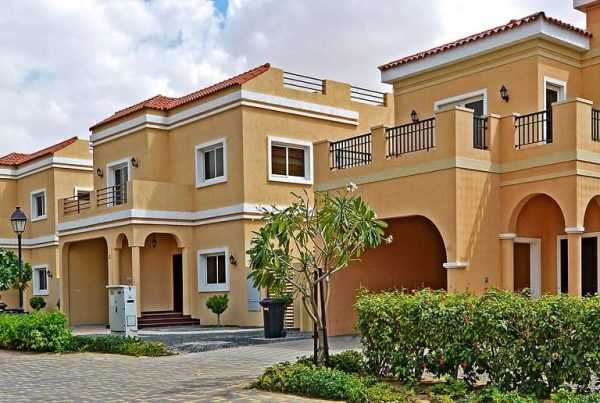
Family-oriented, land-backed housing is increasingly scarce in a city with strong long-term residency growth. That scarcity continues to push villa values ahead of the wider market.
4. Commercial Real Estate Is Quietly One of the Strongest Plays
While most attention stays on residential assets, Dubai’s commercial market is tightening rapidly.
Key indicators:
• Grade A / Prime office vacancy: 2%–3.4%
• Average office yields: ~7.5%
• New company registrations in 2025: ~40,000
Commercial supply is expected to grow only ~16% by 2028, compared to ~50% growth on the residential side. This imbalance supports rental growth and pricing power.
Compared to global peers like London or New York, Dubai offices offer materially higher yields with lower vacancy risk.
5. Millionaire Migration Is Reshaping the Top End
Dubai welcomed an estimated 10,000 millionaires and billionaires in 2025, driven by tax efficiency, political stability, and long-term residency options.
Ultra-prime communities such as:
• Al Barari
• Emirates Hills
• Jumeirah Islands
are benefiting from this influx. Yet properties priced above AED 10 million account for only around 0.5% of total supply.
Future launches will not materially change that ratio. Ultra-luxury remains structurally undersupplied—and therefore positioned for outsized long-term appreciation.
So… Crash or Gold Rush?
Neither—at least not across the board.
Dubai real estate in 2026 is moving away from blanket growth and into a phase where asset selection matters more than timing. The strongest performance is concentrated in:
• Genuine waterfront (not marketing-led lagoons)
• Villas and low-density communities
• Prime commercial assets
• Ultra-luxury residential with real scarcity
Over-supplied, undifferentiated apartments and hype-driven launches may underperform. High-quality, scarce assets will not.
Final Takeaway
Dubai’s market isn’t crashing—it’s maturing.
Fear-driven narratives miss the reality on the ground: delayed deliveries, strong rental demand, constrained premium supply, and sustained capital inflows. The opportunity in 2026 lies not in chasing headlines, but in understanding segmentation.
For investors who follow the data—not the noise—Dubai remains one of the most strategically compelling real estate markets going into 2026.
The era of “buy anything and win” is over. The era of informed selection has begun.