
UAE Property Market 2026: Rising Rents Driving Tenants to Ownership and Investment Shift
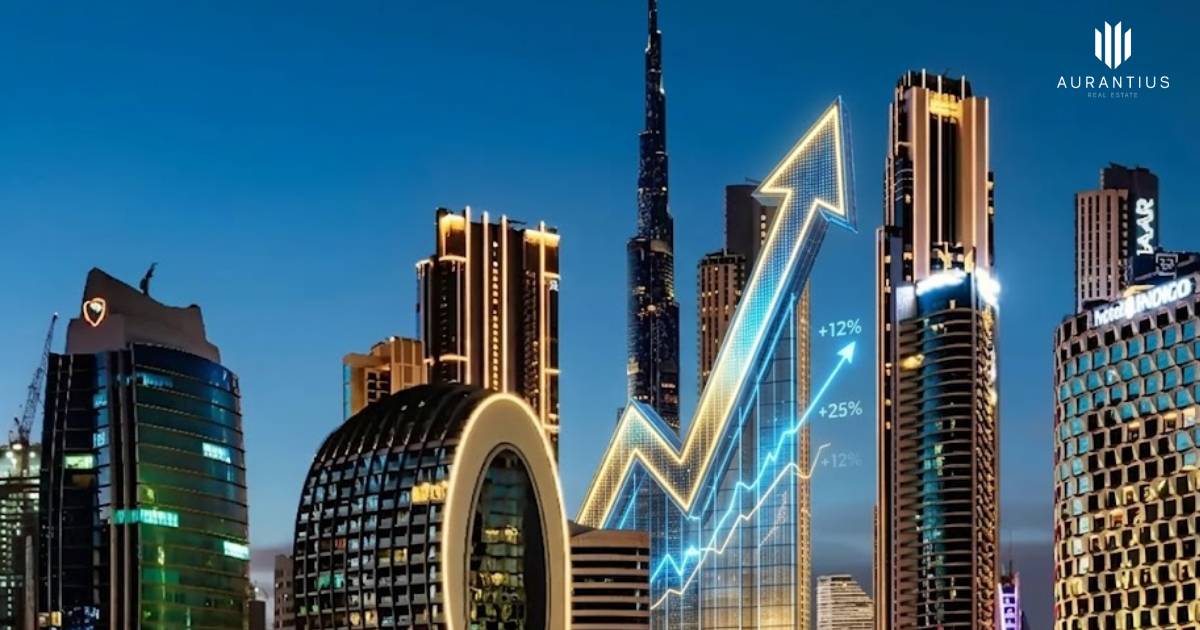
Rising rental costs across the UAE are reshaping how residents approach housing, with many tenants now choosing to become property owners. As rents continue to climb, the gap between renting and owning is narrowing, making long-term investment a more attractive and practical option. This shift is driving increased transactions and changing the dynamics of the property market across key locations.
In 2026, rising rental costs across the UAE are significantly influencing buyer behavior, with more residents transitioning from tenants to property owners. Market activity in March has shown a notable increase in transactions, indicating strong underlying demand despite global uncertainty. This trend is not isolated to one emirate but reflects a broader regional shift where long-term residency planning and financial optimization are driving purchasing decisions. In Dubai, established areas such as Dubai Marina and Downtown Dubai continue to benefit from this transition due to their strong rental demand and established infrastructure.
Rental Pressure and the Shift Toward Ownership
One of the primary drivers behind increased property purchases in 2026 is the sustained rise in rental prices, which is pushing tenants to reconsider long-term leasing strategies. As annual rents approach or exceed mortgage payments, ownership becomes a financially viable alternative. Investors and end-users are evaluating long-term cost efficiency, particularly in markets where rental inflation remains persistent. Tools such as Calculate ROI Dubai Property are increasingly being used to compare rental expenses with ownership returns, enabling more informed decision-making.
Transaction Growth and Buyer Demographics
Market data shows that March 2026 has been one of the most active months of the year, with transaction volumes increasing by up to 50% compared to earlier months. A significant portion of buyers consists of expatriates already residing in the UAE, many of whom are entering the property market for the first time. This shift reflects growing confidence in the region’s real estate sector and a move toward long-term residency planning. In districts such as Business Bay and Jumeirah Village Circle, demand remains strong due to affordability and rental yield potential.
Off-Plan Demand and Launch Activity
Strong demand for off-plan properties continues to shape the market, with new project launches attracting significant investor interest. Developments such as Breez by Danube, Pearl House 4, Golf Verge, Sera at Rashid Yachts & Marina, and Marina Cove demonstrate the continued appeal of flexible payment plans and lower entry prices. Additional projects including Peace Lagoons, Rove Home Marasi Drive, Twilight by Binghatti, Samana Resorts, and Iconic Tower highlight the diversity of investment options available across different price segments, supporting both end-user and investor demand.
Developer Influence and Market Confidence
Developer credibility remains a key factor in sustaining market momentum. Established developers such as Emaar, DAMAC, Sobha Realty, Nakheel, Meraas, and Select Group continue to drive investor confidence through strong delivery records and well-planned communities. Their ability to structure attractive payment plans and maintain pricing stability plays a crucial role in supporting continued market activity.
Investment Outlook and Regional Stability
The broader UAE real estate market remains supported by strong fundamentals including population growth, infrastructure expansion, and investor-friendly policies. Premium locations such as Palm Jumeirah maintain long-term value due to limited supply, while family-oriented communities like Dubai Hills Estate offer stability through consistent end-user demand. Insights from Dubai Real Estate 2026 and the Dubai Real Estate indicate that rising rents will continue to act as a key catalyst for ownership-driven demand across the UAE.
Conclusion
The UAE property market in 2026 is experiencing a structural shift where rising rental costs are accelerating the transition from renting to ownership. This trend, combined with strong demand and flexible developer strategies, is reinforcing market stability and creating new opportunities for both investors and end-users.
FAQs
Q: Why are more tenants becoming property owners in 2026?
A: Rising rental costs are making ownership more financially viable, especially when mortgage payments are comparable to annual rent.
Q: Is March 2026 a strong period for property transactions?
A: Yes, transaction volumes have increased significantly, indicating strong demand and investor confidence.
Q: Are off-plan properties still attractive?
A: Off-plan projects remain popular due to flexible payment plans and potential capital appreciation.
Q: Which areas are best for investment?
A: Areas like Jumeirah Village Circle offer high rental yields, while Dubai Marina and Palm Jumeirah provide long-term value and stability.
Q: How can investors evaluate property returns?
A: Investors can use ROI tools to calculate net returns after expenses and compare rental income with ownership costs.
Aurantius Real Estate provides data-driven insights to help investors capitalize on UAE property market opportunities.