
Renewing Your Rental Contract in 2026? Here’s What to Expect
Dubai’s rental market is heading into 2026 on more stable ground. While rents are still expected to increase, the pace of growth is likely to slow compared to the sharp rises seen over the past two years. As the property market matures, both tenants and landlords are gaining clearer expectations and more room to negotiate.
Steady Growth, But at a Moderate Pace
Market experts anticipate steady rental growth through early 2026, supported by continued population growth, strong business activity, and an influx of high-income professionals relocating to Dubai.
However, demand is no longer rising evenly across all areas. As new supply enters communities such as Meydan and JVC, rental performance is becoming more segmented. Newer, premium developments are outperforming older buildings, while aging properties are beginning to stabilise.
Importantly, current growth is being driven by genuine demand and economic fundamentals rather than speculative activity a sign of a healthier, more balanced market cycle.
What Tenants Should Keep in Mind
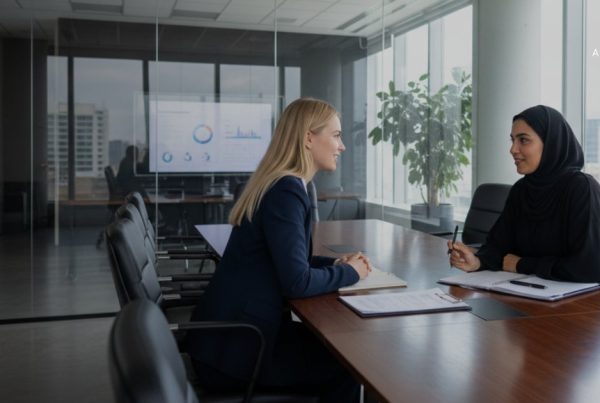
If you’re renewing your lease in 2026, understanding the rules will be essential. Tenants should review RERA’s rental index and compare similar listings in their area before entering negotiations. Rent caps remain in place to prevent sudden or unfair increases, offering a layer of protection.
It’s also important to clarify maintenance responsibilities, payment schedules, and notice periods before signing a renewal contract. Many landlords now prefer longer-term stability, meaning tenants who demonstrate reliability — or commit to 12-month or multi-year agreements — may gain stronger negotiating power.
Landlords Offering Greater Flexibility
With more properties entering the market, landlords are increasingly focused on retaining tenants rather than pushing for short-term gains. In some developments, renters may find more flexible payment terms, including multiple-cheque options or added incentives to secure longer leases.
This shift reflects growing competition and a broader effort to maintain occupancy levels as supply expands.
Older Properties Stabilise While New Developments Lead
The gap between older and newer properties continues to widen. Older buildings, particularly those with aging infrastructure or fewer amenities, are seeing rental prices stabilise. Meanwhile, modern developments with energy-efficient designs, updated layouts, and lifestyle amenities continue to command premium rents.
The market is becoming increasingly quality-driven. Tenants are showing a clear willingness to pay more for well-managed communities that align with their lifestyle expectations.
Affordability Driving Relocation Trends
Affordability and space remain major decision-making factors. Many tenants are relocating from central districts like Downtown and Business Bay to emerging communities such as Meydan, JVC, Dubailand, and Dubai South.
These areas are benefiting from improved infrastructure, better connectivity, and community-focused planning. This decentralisation trend supports Dubai’s long-term vision of balanced, multi-nodal urban growth.
2026 Outlook: Stability Over Speculation
As Dubai moves into 2026, the rental market is shifting toward stability and long-term value. For tenants, this means better negotiation opportunities and more predictable increases. For landlords, the focus is increasingly on quality, tenant retention, and sustainable growth.
The next phase of Dubai’s rental market will not be about chasing rapid price spikes. Instead, it will centre on building lasting value, trust, and stability between landlords and tenants — setting the foundation for a more mature property landscape.
Mid-Market & Investor-Friendly Projects Gaining Attention
In parallel, value-focused and flexible-payment projects are attracting both tenants and investors:
- Samana Resorts
- Samana Rome
- Reef 999
- Reef 1000
- Laya Courtyard
- Evergr1n House
- Avenue Residence 7
- Terra Heights
- Skyhills Residences 2
- Electra 2
- Violet
- Violet 4
- Elm Park Five
- Golf Meadow
- Laguna Residence
- Binghatti Amberhall at JVC
- Aquarise by Binghatti
- Circle by Binghatti
- Binghatti Starlight at Al Jaddaf
- Oasiz
- Golf Lane
- Ember at Park Five
- Guzel Tower
- Twilight by Binghatti
- Skyvue Spectra by Sobha