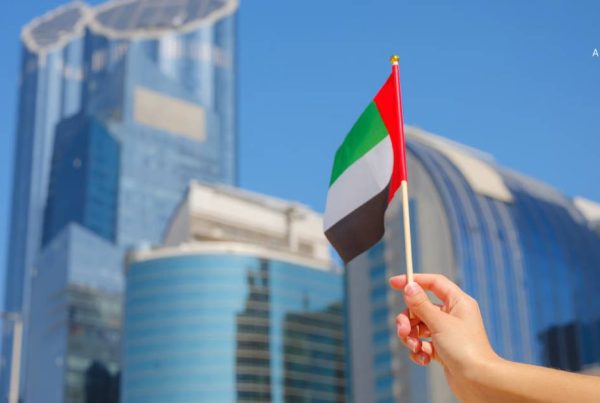


Strategic Property Investment Positions UAE Real Estate as a Long-Term Wealth Multiplier
UAE Property Market Emerges as a Core Asset Class
Real estate in the UAE has increasingly been positioned by global investors as a core asset class alongside equities, bonds, exchange-traded funds, commodities, and alternative investments. Over recent years, data indicates that disciplined participation in the UAE property market has enabled certain investors to achieve significant capital growth when supported by structured advisory and long-term planning. Rather than speculative trading, the market has rewarded investors who approach property as a strategic vehicle for capital preservation and multiplication.
The upward cycle that began in late 2021 saw residential values rise by approximately 20 to 40 percent across key segments. Early entrants benefited from rapid appreciation, with many assets crossing the million-dollar valuation threshold within a short holding period. This phase established Dubai as one of the most resilient global property markets during a period of wider economic volatility.
Luxury and Prime Segments Drive Capital Appreciation
Demand for ultra-prime residences accelerated sharply, with properties priced above USD 10 million recording record transaction volumes. Dubai emerged as one of the world’s leading destinations for such sales, driven by international capital inflows and lifestyle-led demand. Investors increasingly shifted focus from short-term opportunistic purchases toward long-term strategies anchored in legacy assets and lifestyle value.
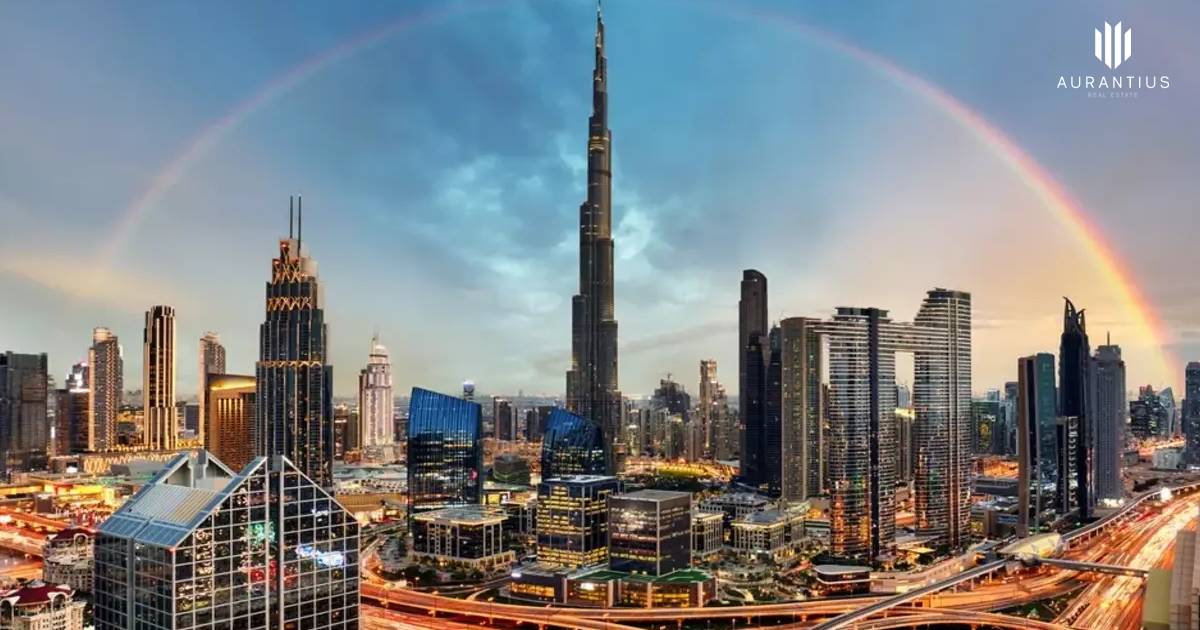
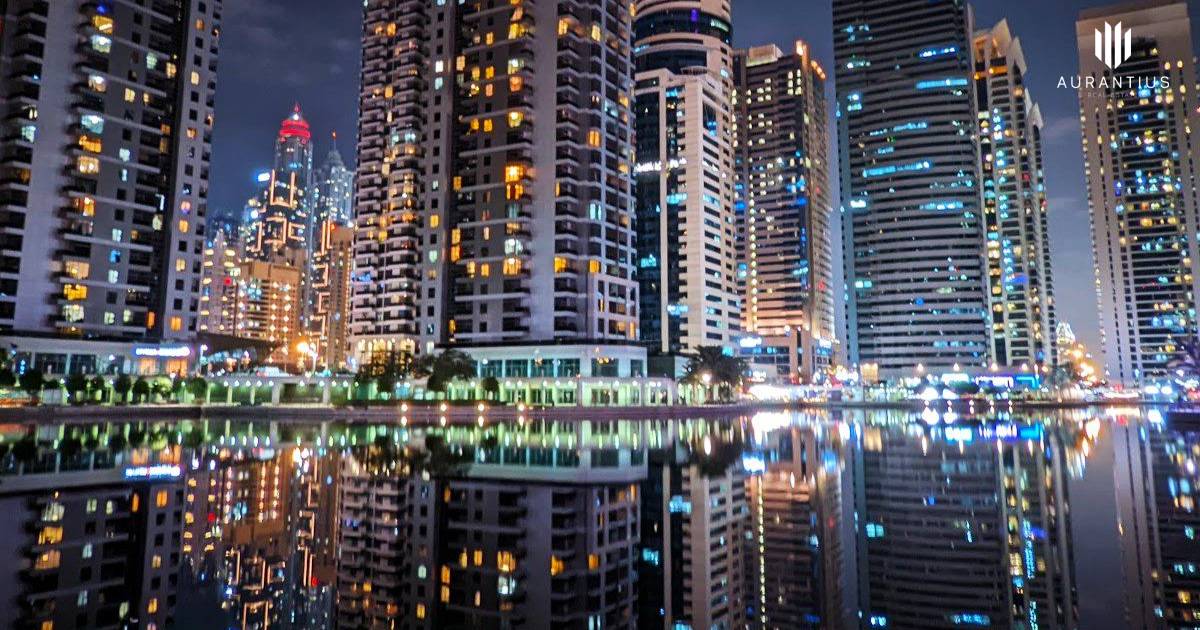
Prime districts such as Palm Jumeirah, Dubai Marina, and Business Bay continued to attract sustained interest due to limited land availability, strong rental demand, and global brand recognition. These locations have historically demonstrated resilience across market cycles.
Rental Yields and Capital Growth as Dual Return Engines
One of the defining characteristics of the UAE real estate market is its ability to deliver competitive rental yields alongside capital appreciation. Stabilised residential assets typically generate annual rental returns of 7 to 10 percent, among the highest globally for mature urban markets. A residential property acquired at approximately AED 1 million can generate annual rental income in the range of AED 60,000 to AED 70,000, providing consistent cash flow.
Beyond income generation, strategic acquisition structures have enabled investors to achieve significantly higher capital returns. Off-plan investments, bulk acquisitions, and near-handover opportunities have delivered annualised returns ranging from 30 to 50 percent in select cases, particularly where payment structures and supply constraints are aligned.
From Opportunistic Buying to Disciplined Strategy
Market participants increasingly emphasise that outsized returns are not the result of chance but of disciplined execution. Successful strategies are typically built around research, scarcity, developer credibility, and exit planning. Investors who focus on micro-markets with restricted future supply have historically outperformed those entering areas with unlimited development pipelines.
Examples include targeted commercial and mixed-use investments in constrained zones where retail and residential formats are limited by planning controls. In such cases, value appreciation has been driven not only by market conditions but by strategic positioning and control over future inventory.
Structured Deals and Developer Selection Reduce Risk
Another key driver of wealth multiplication in the UAE property market has been access to structured transactions rather than standard retail purchases. Direct negotiation with developers enables investors to secure favourable pricing, flexible payment plans, and improved cash flow profiles. These structures reduce upfront capital exposure while amplifying return on deployed equity.
Grade A developers such as Emaar, DAMAC, Sobha Group, Binghatti, and Nakheel continue to attract capital due to delivery track records, financing strength, and asset liquidity. Developer quality remains a decisive factor in long-term risk-adjusted performance.
Geographic Diversification Across Emerging Markets
While Dubai remains the primary engine of UAE real estate growth, investors have also explored emerging opportunities in other emirates where supply is structurally limited. Select coastal and tourism-driven locations have attracted attention due to constrained inventory and long-term infrastructure investment, reinforcing the importance of geographic diversification within the UAE.
Within Dubai, emerging master-planned districts supported by infrastructure expansion have offered early-entry advantages similar to those historically seen in established communities such as Dubai Hills Estate. These areas continue to transition from development phases into mature residential ecosystems.
Market Outlook and Investor Discipline Heading Into 2026
As Dubai enters 2026, market conditions are expected to become more selective. Liquidity tightening and oversupply risks in certain off-plan segments may challenge uninformed investors. However, disciplined strategies focused on near-handover assets, smaller unit sizes, and high-absorption formats are expected to continue delivering attractive outcomes.
Risk management increasingly centres on avoiding speculative launches, oversized assets, and developers without verifiable construction progress. Informed investors prioritise liquidity, exit optionality, and alignment with long-term urban planning.
Conclusion: Real Estate as a Designed Wealth Multiplier
The UAE real estate market continues to demonstrate its capacity to function as a designed wealth multiplier rather than a speculative instrument. Investors who approach property with structured research, disciplined acquisition, and long-term vision have consistently outperformed broader market averages. Multiplication, in this context, is the outcome of strategy rather than speed.
Aurantius Real Estate supports investors through data-driven advisory, curated access to high-quality developments, and strategic market insight across Dubai and the wider UAE. By focusing on fundamentals, supply dynamics, and developer performance, Aurantius Real Estate enables clients to approach property investment as a long-term asset class aligned with sustainable wealth creation.