
Why Global Investors Keep Choosing Dubai Real Estate in 2026
Safe-Haven Positioning, Cash Liquidity, and Regulation-Led Confidence
Global investors continue to allocate capital to Dubai real estate in 2026 as regional tensions raise risk awareness across international portfolios. The preference is tied to structural market features that reduce uncertainty in execution and ownership, supported by a business environment designed to attract long-term residents, entrepreneurs, and internationally mobile high-net-worth buyers. Dubai is positioned as a jurisdiction where assets can be held through volatility, transactions can be completed with operational continuity, and leasing demand is supported by population growth and diversified economic activity.
Market performance data cited by industry sources highlights the scale of continued activity. Residential transactions recorded in January 2026 were reported at AED 55.18 billion, described as a 43.9% year-on-year increase. A large monthly figure at the start of the year is frequently interpreted by investors as a liquidity signal, reflecting active deal flow across price segments and a buyer base that remains present even when headlines intensify. Liquidity is a primary variable for institutional and private investors because it affects price discovery, exit timelines, and the ability to rebalance portfolios without forced discounting.
One factor repeatedly cited in Dubai’s appeal is geopolitical posture. The UAE is often described as maintaining active diplomacy and political neutrality, creating a perception of “neutral ground” for global capital. Investors who prioritize jurisdiction selection view neutrality as a stabilizer for cross-border participation, supporting diversified inflows from Europe, Asia, North America, and regional markets. Diversified inflows reduce reliance on a single corridor of demand and can smooth cyclical shifts that appear when one region slows while another accelerates.
Safe-haven inflows are also referenced as a recurring pattern during periods of instability in nearby markets. Buyers moving capital into Dubai are often motivated by wealth preservation, residency planning, and the ability to hold real assets in a globally connected city with modern infrastructure. In practical market terms, these flows can increase demand for prime residences, larger layouts, and long-term rentals, strengthening leasing depth in established districts where liquidity and amenity access are priced into both rents and resale values.
Returns and Tax Efficiency as Underwriting Advantages
Financial performance remains a central driver in the 2026 investor narrative. Average gross rental yields are frequently cited in the 6% to 9% range, a band that compares favorably against many global gateway cities where gross yields are often lower due to higher entry prices and tighter net yield compression. Yield differentials matter because they affect portfolio allocation decisions. Investors balancing income and capital preservation often prefer markets where rent-to-price ratios remain competitive and where leasing demand is supported by population and employment growth.
Tax efficiency is another underwriting input that is repeatedly highlighted by market participants. Dubai is commonly described as offering 0% personal income tax and no tax on rental income for individuals, improving net cash-flow outcomes relative to markets where taxes materially reduce distributable yield. Investors often treat tax structure as a long-term variable because it directly affects hold-period returns, reinvestment capacity, and overall portfolio volatility.
Residency pathways are also integrated into many investment decisions. The Golden Visa is widely referenced as a policy feature that supports longer holding periods and encourages buyer commitment beyond short-term market timing. Property-linked residency structures can shift buyer behavior toward end-user decisions and long-duration ownership, increasing stability in transaction patterns and supporting leasing demand as more buyers become residents and participate in the local economy.
Regulatory Maturity and Market Structure in 2026
Regulatory maturity is a key pillar behind investor confidence. Dubai’s market is commonly associated with structured oversight through Dubai Land Department and RERA frameworks, designed to improve transparency and protect investor funds. Off-plan protections, including escrow mechanisms, are frequently mentioned as risk-reduction tools that support buyer willingness to commit to multi-year delivery timelines. A regulated off-plan environment is important for market resilience because it supports future supply delivery and helps maintain confidence during external uncertainty cycles.
In early 2026, market sentiment is described by industry participants as experiencing a brief “sentiment shock” linked to Iran-related tensions, with behavior characterized as a temporary pause rather than a structural decline. Investors often interpret pauses as timing shifts rather than cancellations when the core fundamentals remain intact. A pause typically shows up as slower closing timelines, deferred viewings, and extended negotiation cycles. Structural decline is usually associated with widespread forced selling, rapid price discounting across segments, and sustained deterioration in leasing performance.
Brokers have reported an absence of broad panic selling, with activity described as steady rather than collapsing. A steady market response during a period of elevated headlines is often viewed as evidence that the buyer base is more structurally anchored than in prior speculative phases. Market composition is also cited as a stabilizer, with estimates indicating that around 60% of early 2026 transactions were completed in cash. A high cash share reduces sensitivity to global interest rate changes, credit tightening, and mortgage approval slowdowns, supporting liquidity when financing conditions become restrictive elsewhere.
Supply Pipeline and Quality Bias in Asset Selection
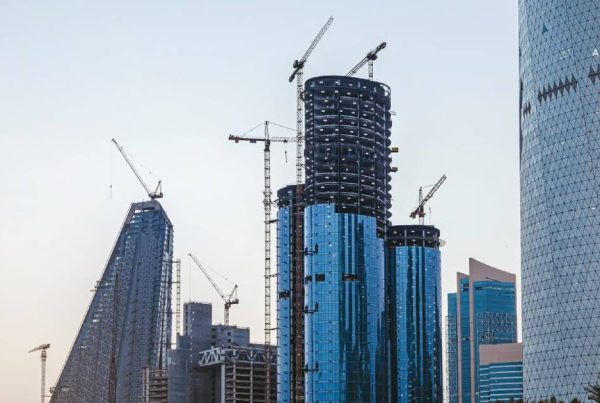
Investors are also monitoring supply delivery expectations in 2026. A figure of roughly 131,000 units is often referenced as a potential delivery pipeline, raising the prospect of moderate price corrections in oversupplied or fringe segments. Supply risk is rarely uniform across the city. Investors tend to manage this risk by prioritizing quality assets and established communities with proven leasing depth, stronger amenity ecosystems, and higher resale liquidity. In these areas, pricing tends to be supported by repeat demand from residents, long-term renters, and international buyers seeking stable jurisdictions.
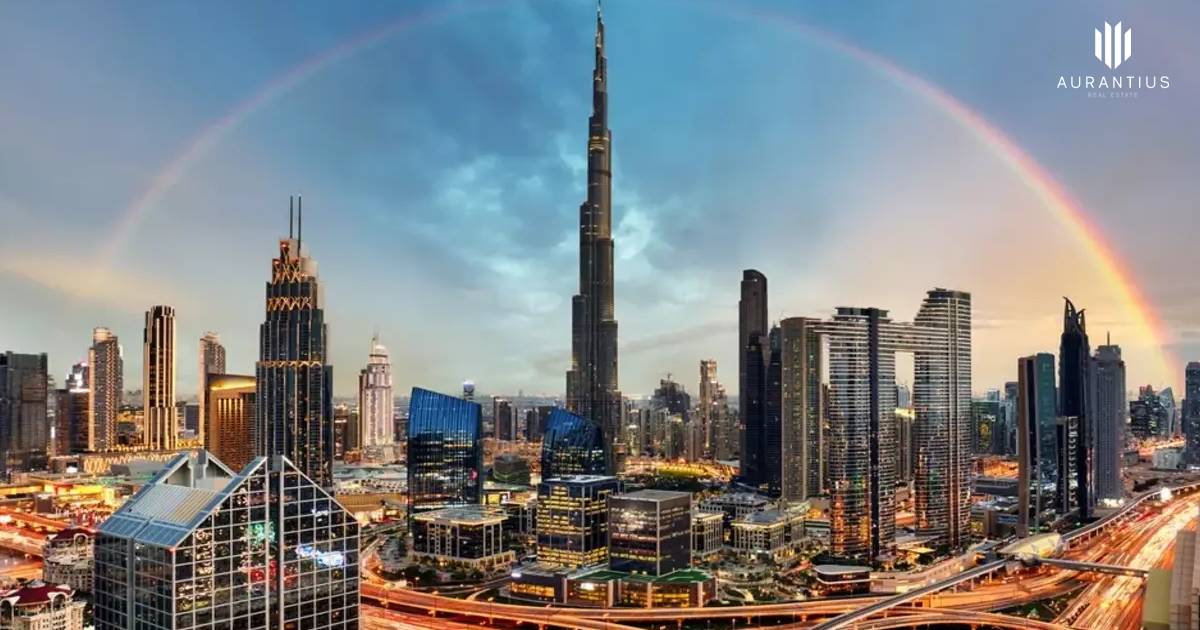
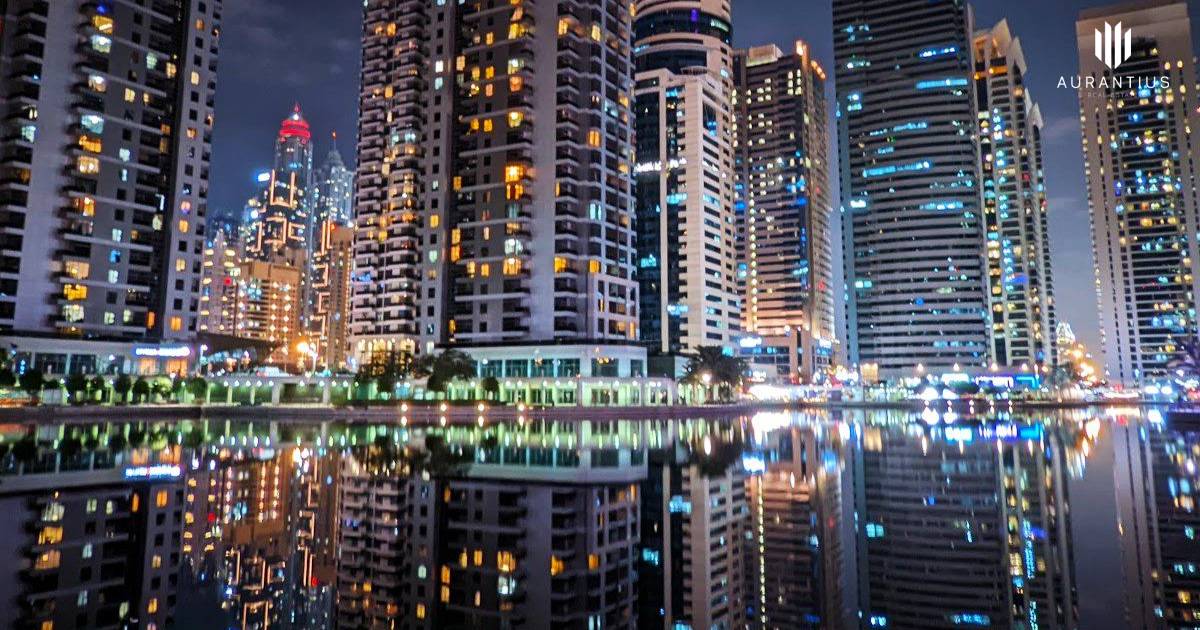
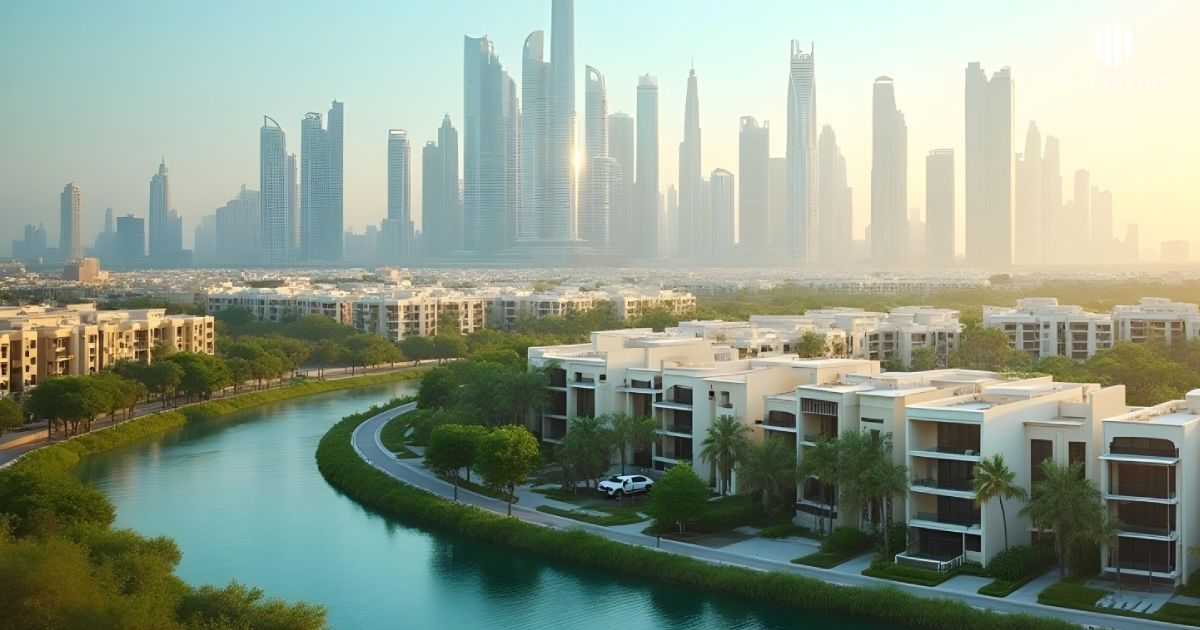
Prime community focus frequently includes locations such as Dubai Marina, Downtown Dubai, and Palm Jumeirah, where liquidity is supported by international recognition and mature infrastructure. These districts are often assessed through occupancy stability, tenant profile depth, and long-term value retention rather than short-term price spikes. Quality bias also applies at the developer level, where operator track record, delivery execution, and community management standards shape underwriting assumptions. Statements from industry leaders, including commentary from the founder of Emaar, have emphasized policy continuity, uninterrupted operations across major assets, and strong early-year sales performance as indicators of market durability.
Outlook discussions also highlight an investor preference for moderated growth rather than rapid overheating. A balanced growth target, often framed as mid-single-digit annual increases, is viewed by many investors as more sustainable and supportive of long-term portfolio planning. Stability in banking practices and ongoing government policy development are commonly cited as reasons that sharp correction forecasts are treated cautiously by market participants focused on structural fundamentals.
Conclusion
Dubai’s continued appeal to global investors in 2026 is anchored in a combination of jurisdiction selection factors and market structure: perceived geopolitical neutrality, strong liquidity, competitive rental yields, tax efficiency, residency pathways, and regulation-led investor protections. Market behavior during periods of heightened tension has shown more timing-related caution than widespread risk-off exits, supported by a high share of cash transactions and diversified demand sources. Investors are also actively underwriting supply delivery risk by focusing on prime locations and quality assets that historically maintain liquidity during uncertainty.
For market updates, investor-focused area context, and structured research that supports decision-making based on fundamentals, follow Aurantius Real Estate for Dubai real estate coverage designed for buyers, landlords, and portfolio investors.