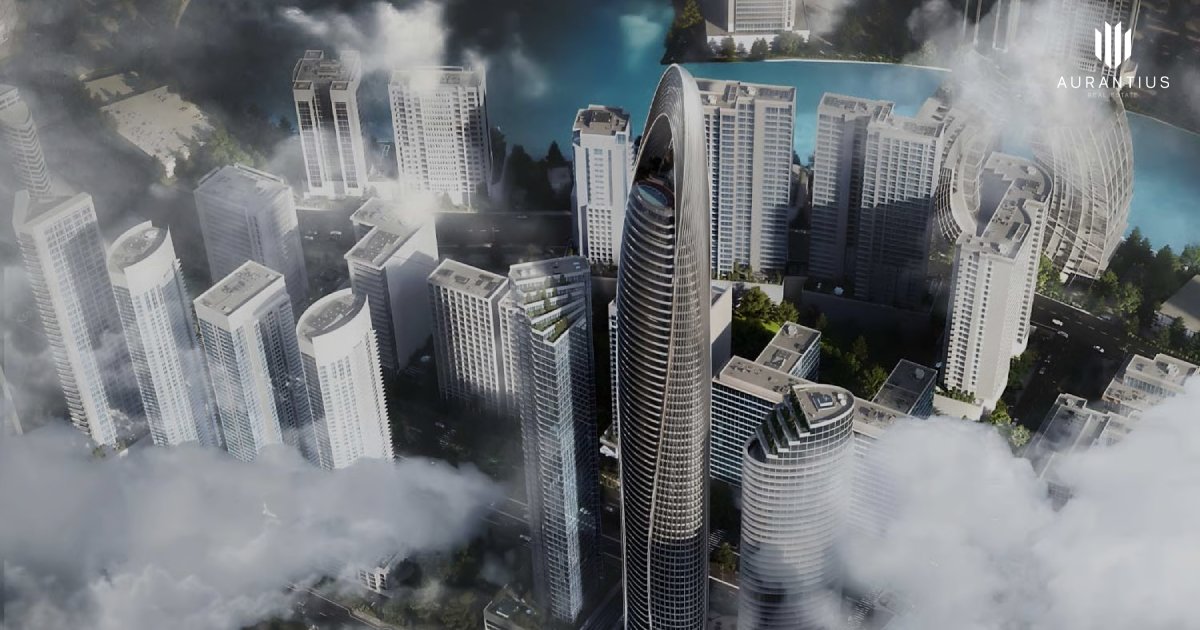

Binghatti Launches Mercedes-Benz City in Dubai as the World’s First Branded Residential City
Dubai’s real estate market marked another milestone with the official sales launch of Mercedes-Benz City by Binghatti, a Dh30 billion branded residential development positioned as the world’s first Mercedes-Benz-branded city. The project entered the market amid sustained investor demand for large-scale, brand-led residential communities and reflects Dubai’s continued role as a global testbed for premium real estate concepts.
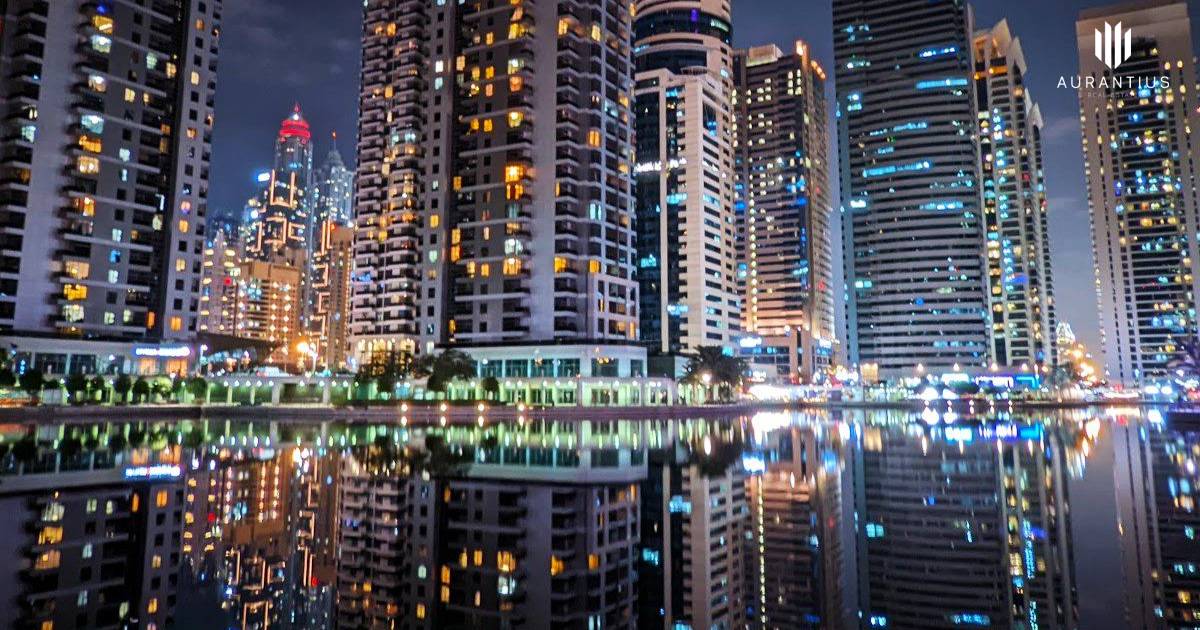
The development is located in Meydan, within the wider Nad Al Sheba district, an area increasingly integrated into Dubai’s urban expansion corridor linking central business zones with emerging residential hubs such as Business Bay, Downtown Dubai, and Meydan City. The site offers proximity to key commercial districts while benefiting from lower density compared to waterfront cores like Dubai Marina.
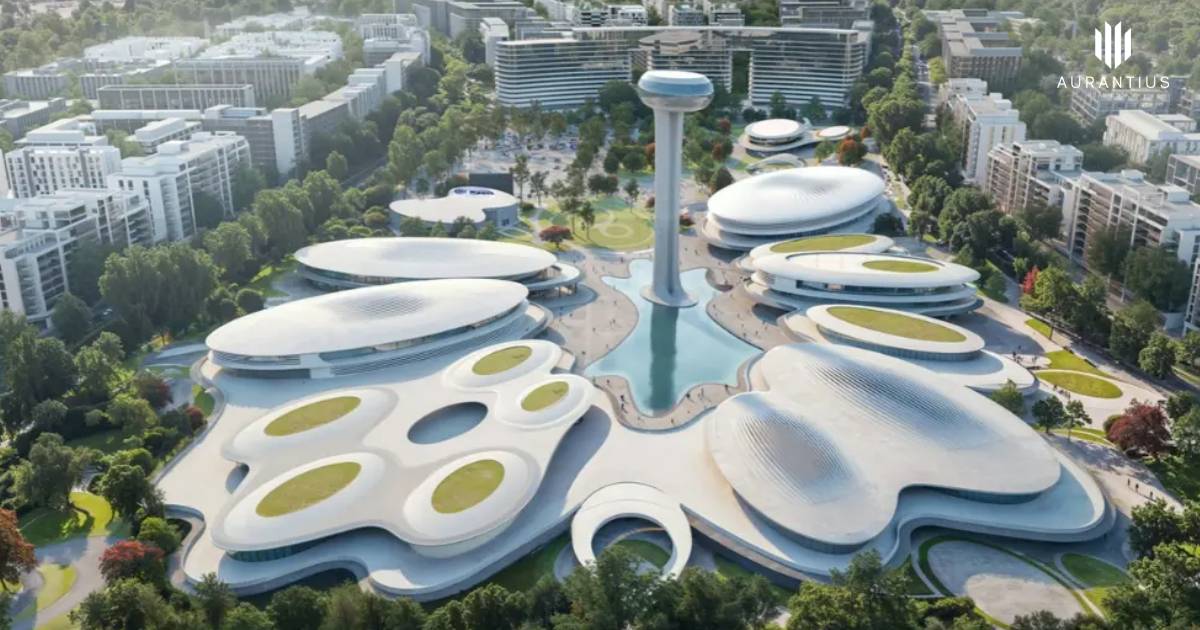
Spanning approximately 10 million square feet of built-up area, Mercedes-Benz City will deliver 13,386 residential units across multiple towers. The inventory includes studios, one-bedroom, two-bedroom, three-bedroom, and four-bedroom apartments, alongside a limited number of five-bedroom penthouses. The scale positions the project among the largest single branded residential launches in Dubai’s history, comparable in footprint to master-planned communities developed by groups such as Emaar and DAMAC.
Pricing has been structured to broaden market accessibility relative to earlier branded collaborations. Studio apartments are priced from approximately AED 1.6 million, one-bedroom units from AED 2.6 million, two-bedroom residences from AED 3 million, and three-bedroom units from around AED 5 million. Larger configurations, including four-bedroom units and penthouses, occupy the upper end of the pricing spectrum. This pricing strategy reflects an intentional shift toward scale-driven participation rather than ultra-limited luxury positioning.
According to Binghatti Holding, the project is being fully self-financed through the group’s internal cash flows, removing reliance on external project financing. This approach aligns with capital structures increasingly favored by well-capitalized regional developers such as Sobha Realty and Select Group, particularly for long-duration, multi-phase developments.
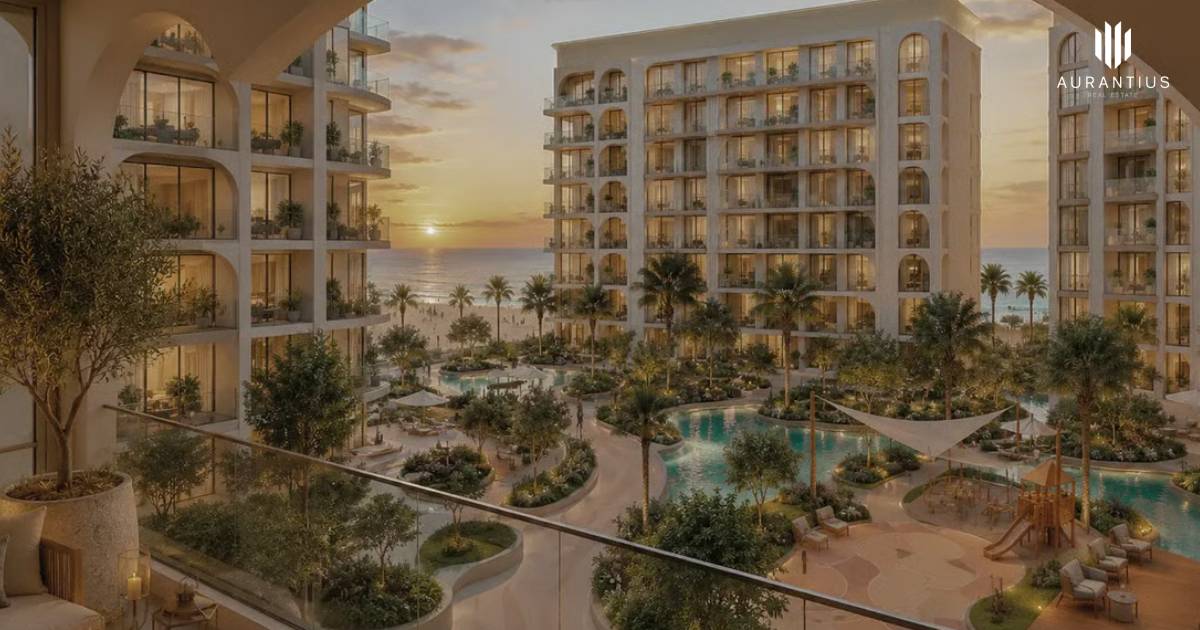
From a design and positioning standpoint, each tower within Mercedes-Benz City has been curated to reflect the heritage and iconic automotive concepts of the Mercedes-Benz brand. The architectural and interior direction draws inspiration from the brand’s legacy models, integrating design identity across residential typologies. This strategy reinforces a growing trend in Dubai toward immersive branded environments rather than single-building collaborations, a format also observed in lifestyle-led districts such as Palm Jumeirah and Dubai Hills Estate.
Leadership commentary at the launch highlighted the strategic rationale behind automotive brand collaborations in real estate. Automotive design has historically advanced faster than residential real estate in areas such as technology integration, material innovation, and user-centric design. By translating these principles into residential environments, branded developments aim to deliver higher perceived value while maintaining pricing accessibility across a broader buyer base.
From the brand partner’s perspective, Dubai was positioned as a natural platform for such a concept due to its rapid growth, infrastructure maturity, and openness to experimental urban models. The city’s ability to absorb large-scale developments while maintaining demand depth has made it a focal point for global brands seeking long-term real estate exposure.
The launch of Mercedes-Benz City coincides with continued expansion in Dubai’s branded residence segment, which has increasingly attracted both investors and end users seeking differentiated products. Branded developments are often evaluated as a distinct asset class due to perceived design consistency, international brand recognition, and potential resilience across market cycles. The size and pricing structure of this project signal an evolution from exclusivity-driven branding toward volume-supported brand integration.
Within the broader off-plan market, Mercedes-Benz City enters a competitive landscape alongside projects such as Iconic Tower, Marina Cove, Rove Home Marasi Drive, Peace Lagoons, and Sobha Elwood. These developments reflect the breadth of Dubai’s residential supply across branded, lifestyle, and investment-focused segments.
Looking forward, the project underscores Dubai’s continued shift toward integrated residential ecosystems supported by brand partnerships, infrastructure investment, and long-term urban planning. The emphasis on scale, accessibility, and design-led differentiation aligns with broader market fundamentals that have supported sustained transaction volumes and pricing stability.
Aurantius Real Estate works with investors, developers, and end users to navigate Dubai’s evolving property landscape through research-led advisory, curated off-plan access, and transaction support. By focusing on fundamentals, location dynamics, and developer track records, Aurantius Real Estate assists clients in identifying opportunities aligned with long-term capital preservation and growth.